Red light therapy (RLT) masks have revolutionized at-home skincare, offering a convenient, non-invasive way to tackle issues ranging from acne and rosacea to fine lines and collagen loss. However, unlike a moisturizer that can be applied twice daily without much thought, light therapy operates on a biological principle known as hormesis. This means that while the right dose stimulates healing and regeneration, too much can inhibit it or simply provide no additional benefit.
One of the most common questions new users ask is: “How often can I use my red light therapy mask?” The answer isn’t a one-size-fits-all number; it depends on your skin goals, the power of your specific device, and your skin’s tolerance. This guide breaks down the optimal frequency, session duration, and safety protocols based on current dermatological consensus and manufacturer guidelines in 2026.
The Golden Rule: Consistency Over Intensity
Before diving into specific schedules, it is crucial to understand that red light therapy is a marathon, not a sprint. The benefits of photobiomodulation (PBM) are cumulative. The light energy stimulates the mitochondria in your cells to produce more ATP (energy), which fuels repair processes. This biological cascade takes time.
Using your mask for 30 minutes once a week is generally less effective than using it for 10 minutes, three to five times a week. Consistency is the key driver of results. Most clinical studies showing significant improvements in skin texture, wrinkle reduction, and acne clearance utilized protocols involving frequent, regular sessions over a period of 8 to 12 weeks.
General Frequency Guidelines by Goal
1. For Anti-Aging and Collagen Production
- Goal: Reducing fine lines, improving skin elasticity, and boosting collagen.
- Recommended Frequency: 3 to 5 times per week.
- Session Duration: 10 to 20 minutes per session.
- Rationale: Collagen synthesis is a slow process. Regular stimulation keeps the fibroblasts (collagen-producing cells) active without overwhelming them. Daily use is often safe for anti-aging purposes, but giving your skin a rest day or two can help prevent potential sensitivity, especially if you are using other active ingredients like retinols or acids.
2. For Acne Treatment
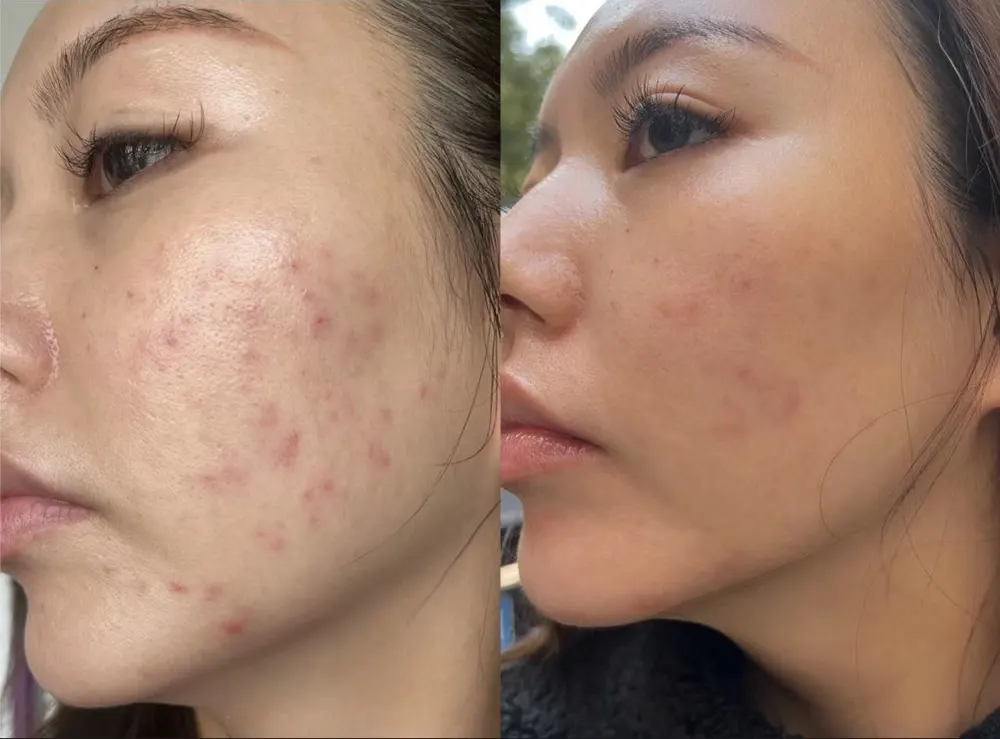
- Goal: Killing C. acnes bacteria, reducing inflammation, and speeding up healing of breakouts.
- Recommended Frequency: 4 to 6 times per week (sometimes daily for short periods).
- Session Duration: 10 to 15 minutes per session.
- Rationale: Acute conditions like active breakouts often respond well to higher frequency. The blue light (often combined with red in these masks) kills bacteria, while the red light reduces the inflammation associated with cystic acne. Some protocols suggest starting with daily use for the first 2–4 weeks to gain control over an outbreak, then tapering down to 3 times a week for maintenance.
3. For Wound Healing and Post-Procedure Care
- Goal: Accelerating recovery after microneedling, laser treatments, or minor skin injuries.
- Recommended Frequency: Daily or even twice daily (shorter sessions).
- Session Duration: 5 to 10 minutes per session.
- Rationale: In a clinical setting, light therapy is often used daily to speed up tissue repair. If you are using the mask to soothe skin after a professional treatment, follow your dermatologist’s advice. Usually, short, frequent bursts of light are best for rapid cellular turnover and inflammation reduction.
4. For Maintenance
- Goal: Maintaining results after achieving your initial goals.
- Recommended Frequency: 2 to 3 times per week.
- Session Duration: 10 to 15 minutes.
- Rationale: Once you have seen significant improvement (usually after 8–12 weeks of consistent use), you can reduce the frequency to maintain the cellular benefits without needing the intensive initial protocol.
Can You Use It Every Day?
- Diminishing Returns: There is a concept called the biphasic dose response (or Arndt-Schulz curve). This means that up to a certain point, more light equals better results. But beyond that optimal dose, the benefits plateau, and excessive exposure can actually inhibit cell function. If your device is very high-powered, using it for 20 minutes every single day might push you past this optimal threshold.
- Skin Sensitivity: While rare, some individuals with extremely sensitive skin or conditions like lupus or porphyria may experience irritation or headaches from daily exposure. If you notice increased redness, dryness, or irritation, scale back to every other day.
Session Duration: How Long Per Use?
- Standard Recommendation: Most FDA-cleared masks recommend sessions between 10 and 20 minutes.
- Low Power Devices: If you have a budget-friendly mask with lower irradiance (power output), you might need to use it for the full 20 minutes or even slightly longer to get an effective dose.
- High Power Devices: Professional-grade or newer 2026 models with high irradiance might only require 5 to 10 minutes to deliver the same energy dose. Always check the manual. Using a high-power device for 30 minutes could be counterproductive.
Best Practices for Maximum Results
- Clean Skin is Crucial: Light needs to penetrate the skin. Makeup, sunscreen, and heavy oils can reflect or block the light waves. Always wash your face and pat it completely dry before using the mask. Some experts suggest using the mask on bare skin, while others say it’s fine to use over thin serums (like hyaluronic acid). Avoid thick creams or opaque products during the session.
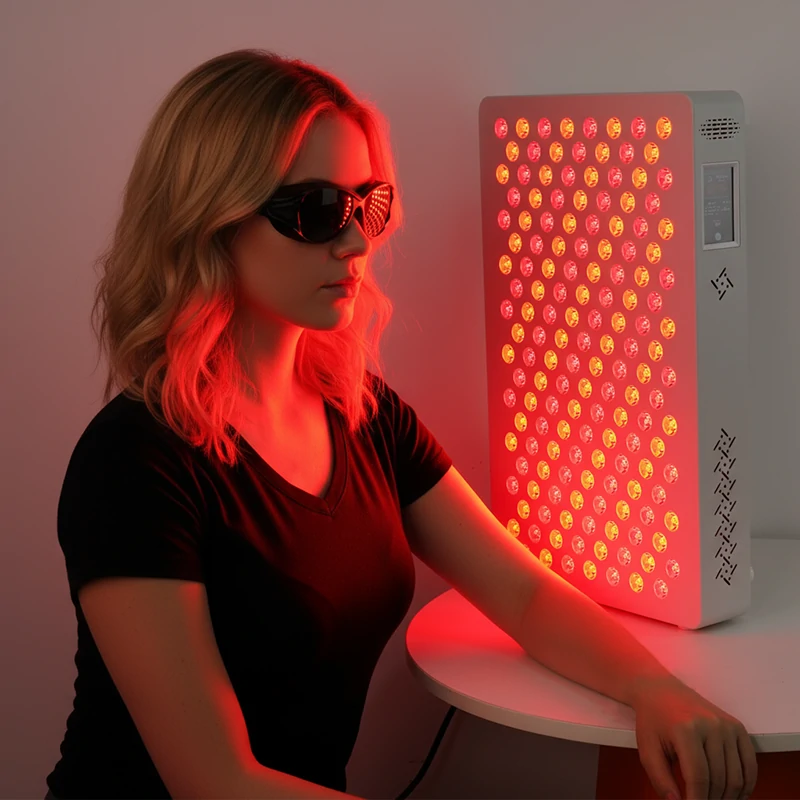
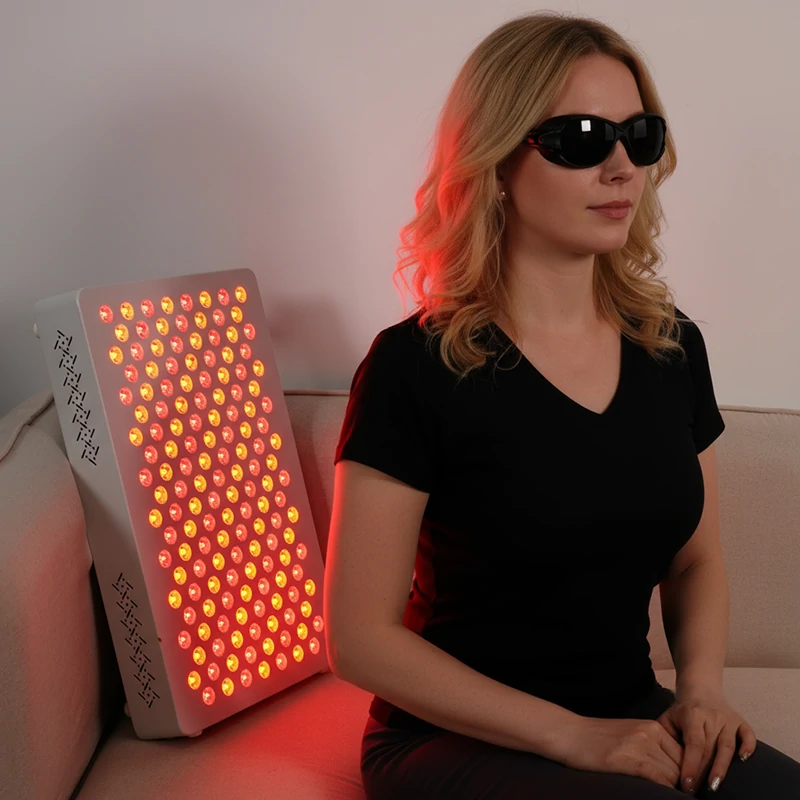
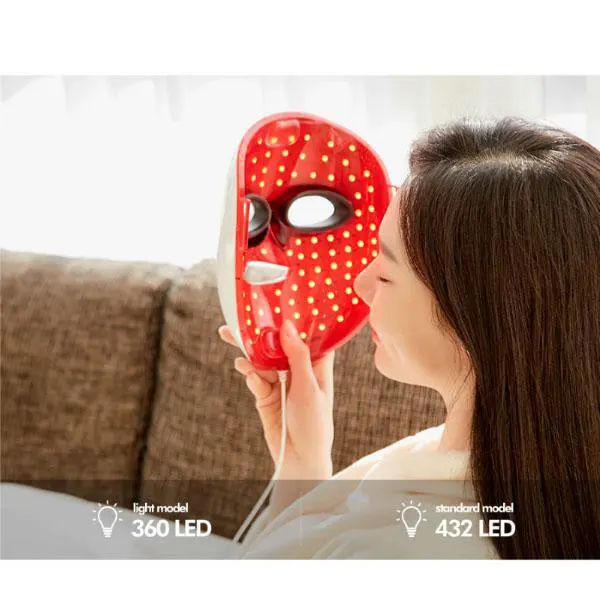
- Eye Protection: Even though red light is generally safe for eyes, the brightness can be uncomfortable, and prolonged exposure to intense LEDs is not recommended for the retina. Most masks come with built-in eye shields. If yours doesn’t, wear provided goggles or keep your eyes closed gently during the session.
- Timing Matters: Many users prefer using the mask in the morning to reduce puffiness and prep the skin, or in the evening to aid overnight repair. There is no definitive evidence that one time is superior, so choose the time that helps you stay consistent.
- Combine Wisely: Red light therapy pairs exceptionally well with most skincare ingredients.
- Good Pairings: Hyaluronic acid, peptides, niacinamide, and growth factors. Applying these after the session can enhance absorption.
- Caution: If you use photosensitizing ingredients (like high-strength AHAs, BHAs, or prescription retinoids), monitor your skin closely. While RLT isn’t UV light, combining aggressive exfoliation with daily light therapy might irritate some skin types. Consider using RLT at a different time of day than your actives.