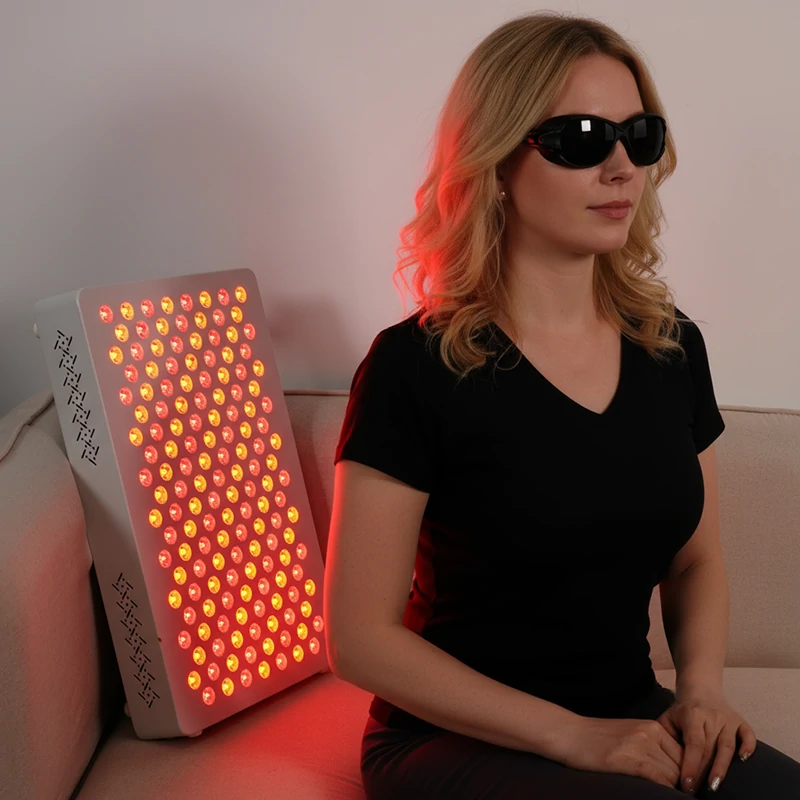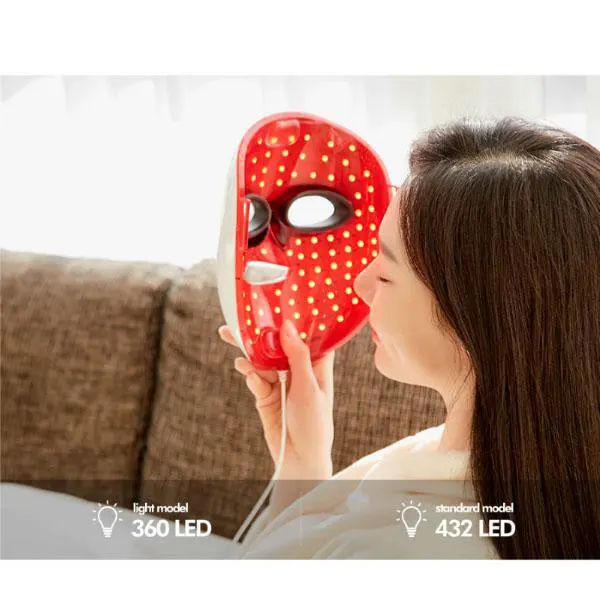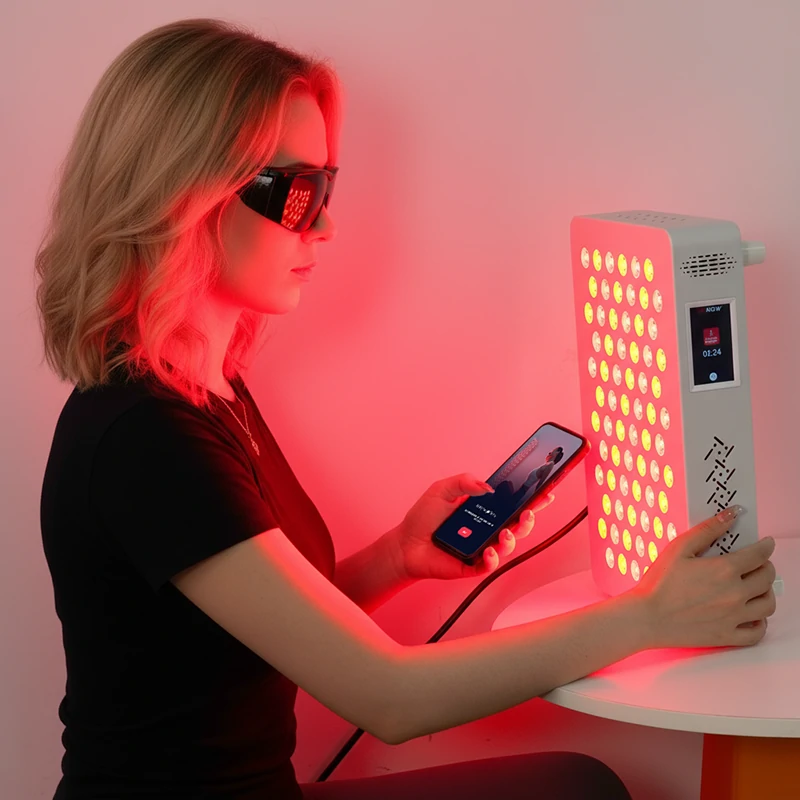
Red light therapy panels are becoming increasingly popular for skin rejuvenation, muscle recovery, and overall wellness. Compared with smaller devices like LED masks or handheld tools, therapy panels provide higher power output and larger treatment coverage, making them suitable for both targeted treatments and broader body therapy.
If you are new to red light therapy, understanding how to properly use a red light therapy panel will help you achieve the best results safely and efficiently. This guide explains how these devices work, compares two popular models, and provides practical usage tips.
Red Light Therapy Panel Overview
A red light therapy panel is a device that uses high-intensity LEDs to emit specific wavelengths of red and near-infrared light. These wavelengths penetrate the skin and underlying tissues, stimulating cellular mitochondria and promoting energy production (ATP).
This process helps support several natural biological functions, including:
-
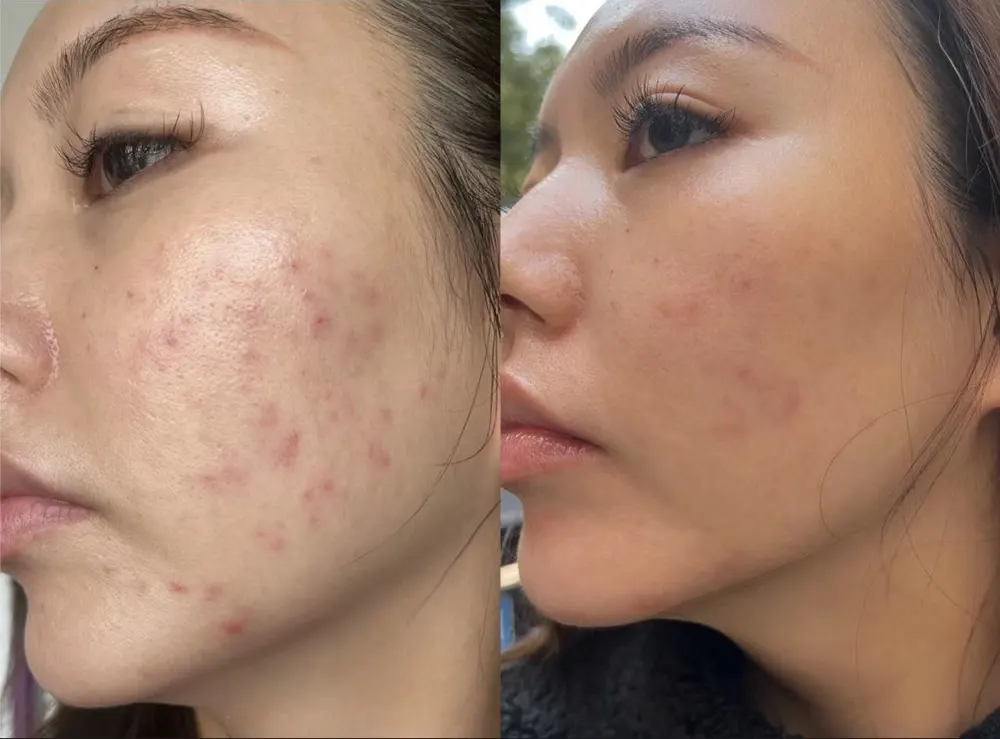
Collagen production and skin renewal
-
Improved circulation
-
Muscle recovery and relaxation
-
Reduced inflammation
-
Enhanced cellular repair
Unlike facial masks that focus primarily on skincare, red light therapy panels are designed for multi-purpose treatments, including face, joints, muscles, and full-body wellness.
Product Comparison
When selecting a red light therapy panel, two key factors are output power and wavelength combination. Below is a comparison of two compact therapy panels designed for home and professional use.
| Feature | ES300 | ESPLUS360 |
|---|---|---|
| Power | 300W | 360W |
| LED Quantity | 60 LEDs | 72 LEDs |
| LED Type | 5W Dual Chip | 5W High Energy LEDs |
| Wavelengths | 630nm / 660nm / 810nm / 830nm / 850nm | 630nm / 660nm / 810nm / 830nm / 850nm / 1060nm |
| Lens Angle | 30° | 30° |
| Recommended Use | Targeted treatment | Targeted / small body area therapy |
For users who want a compact therapy panel for localized treatment, the
ES300 Red Light Therapy Panel is ideal for treating areas such as the face, shoulders, knees, or joints.
For those who prefer slightly higher output power and an additional wavelength for deeper tissue support, the
ESPLUS360 Red Light Therapy Panel provides enhanced versatility and improved treatment coverage.
Both models are suitable for home wellness routines and professional therapy environments.
Understanding Red Light Therapy Wavelengths
The effectiveness of red light therapy largely depends on the specific wavelengths used. Each wavelength penetrates the body at different depths and supports different biological processes.
630nm Red Light
Primarily affects the surface layers of the skin, helping improve skin tone, texture, and collagen stimulation.
660nm Red Light
A widely studied wavelength used for anti-aging treatments, skin repair, and improved blood circulation.
810nm Near-Infrared
Penetrates deeper into tissues and supports cellular energy production and muscle recovery.
830nm Near-Infrared
Commonly used for tissue regeneration and inflammation reduction.
850nm Near-Infrared
Helps reach deeper areas of the body, making it useful for joint recovery and muscle relaxation.
1060nm Near-Infrared
A longer wavelength found in advanced panels that may support deep tissue therapy and metabolic activity.
The combination of multiple wavelengths allows therapy panels to deliver both skin-level and deep-tissue benefits.
Advantages of Using a Red Light Therapy Panel
Compared with smaller LED therapy devices, red light panels provide several important advantages.
Higher Irradiance
Panels generate stronger light output, enabling more effective stimulation of cellular processes.
Larger Treatment Area
A single panel can cover larger body regions, reducing treatment time compared with smaller devices.
Multi-Purpose Therapy
They can be used for skincare, muscle recovery, joint relief, and general wellness therapy.
Adjustable Distance and Intensity
Users can easily control intensity by adjusting the distance between the device and the treatment area.
Professional-Grade Technology
Many modern panels use high-power LEDs, optical lenses, and multi-wavelength configurations to maximize therapeutic performance.
Who Should Use Red Light Therapy Panels?
Red light therapy panels are suitable for a wide range of users, including:
Skincare Users
People who want to improve skin elasticity, reduce fine lines, and support collagen production.
Athletes and Fitness Enthusiasts
Athletes often use red light therapy to support muscle recovery and reduce post-exercise soreness.
Individuals With Joint or Muscle Discomfort
Near-infrared light may help support circulation and joint recovery.
Wellness and Biohacking Enthusiasts
Many wellness-focused users incorporate red light therapy into their routine to support energy levels and recovery.
How to Use a Red Light Therapy Panel
Using a red light therapy panel is simple, but following proper steps helps maximize effectiveness.
Step 1 – Position the Device
Place the therapy panel approximately 6–12 inches (15–30 cm) away from the treatment area.
Step 2 – Select the Treatment Area
Choose the body area you want to treat, such as:
-
Face
-
Neck
-
Back
-
Shoulders
-
Legs
-
Joints
Step 3 – Set Treatment Time
Typical treatment sessions last 10–20 minutes per area.
Step 4 – Maintain a Consistent Routine
For best results, use the device 3–5 times per week as part of a regular wellness routine.
Step 5 – Relax During Treatment
Most users simply sit or stand comfortably while the light panel illuminates the treatment area.
Consistency is key, as red light therapy works by supporting natural cellular regeneration over time.
FAQs
How far should I stand from a red light therapy panel?
Most panels are designed to be used 6–12 inches away from the body, depending on the desired intensity and treatment area.
How long should each red light therapy session last?
Sessions typically last 10–20 minutes per treatment area.
Can I use a red light therapy panel every day?
Many users use red light therapy 3–5 times per week, although daily sessions at moderate durations are generally safe.
Do I need eye protection?
For facial treatments, it is recommended to close your eyes or wear protective goggles, especially when using high-intensity panels.
How long does it take to see results?
Results vary depending on the user and treatment goal, but many people notice improvements within 3–6 weeks of consistent use.