The photobiomodulation (PBM) industry is experiencing unprecedented growth, with businesses ranging from wellness startups to established medical clinics seeking to launch private-label light therapy devices. However, the difference between a successful product and a costly failure often lies in the technical details. When pursuing an OEM red light and near infrared therapy panel, understanding the key specifications and manufacturing factors is critical. These elements determine not only the therapeutic efficacy of the device but also its safety, longevity, and brand reputation.
This guide provides a deep dive into the essential technical specifications and operational factors you must evaluate when partnering with an OEM manufacturer. Whether you are designing a compact home unit or a clinical-grade full-body system, these insights will help you navigate the complexities of production and ensure your final product meets the highest industry standards.
Wavelength Precision and Spectrum Configuration
The foundation of any light therapy device is its wavelength output. Therapeutic benefits are highly specific to nanometer (nm) ranges, making precision non-negotiable.
🔹 Critical Wavelengths
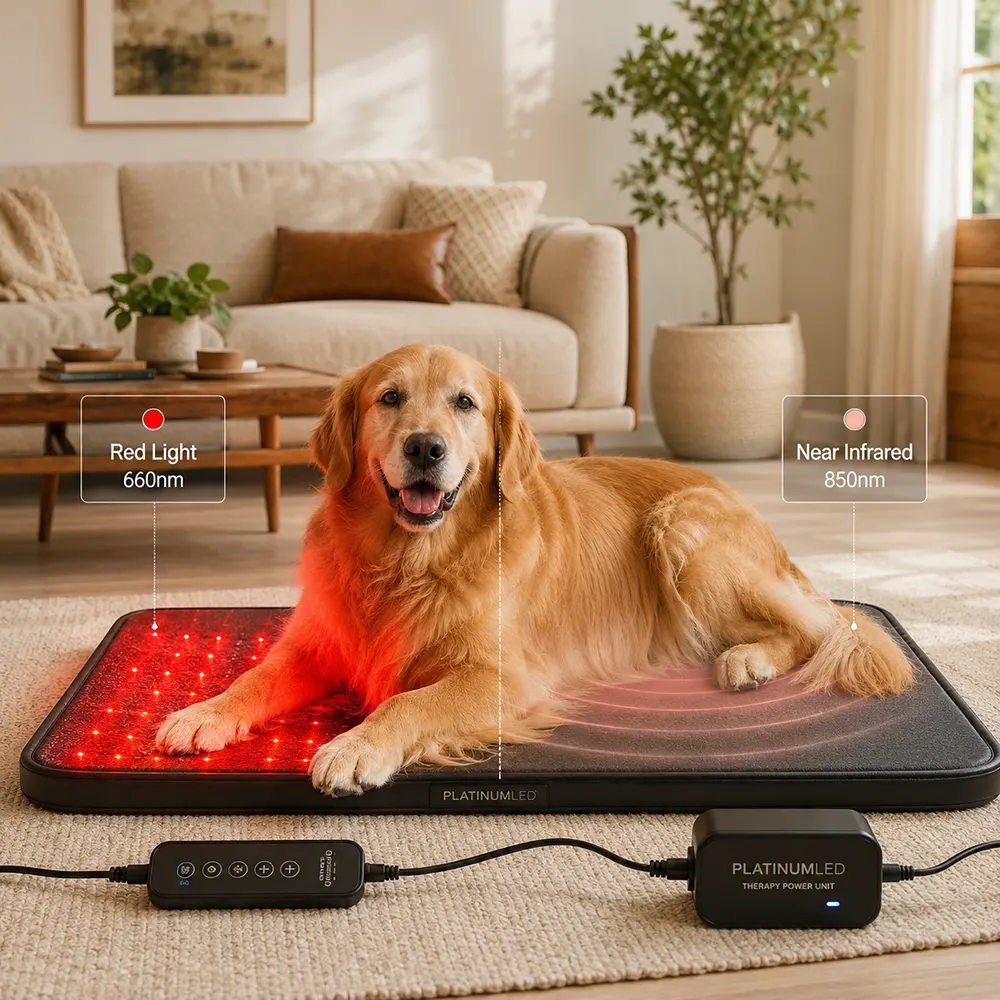
- 630nm–660nm (Visible Red): Primarily absorbed by skin layers. Ideal for collagen production, wound healing, and surface inflammation.
- 810nm–850nm (Near-Infrared): Penetrates deeper into muscle, bone, and nerve tissue. Essential for pain relief, muscle recovery, and joint health.
- 940nm & 1060nm (Extended NIR): Emerging wavelengths used for deeper circulation and specific metabolic processes.
🔹 Tolerance Levels
A common pitfall in low-cost OEM manufacturing is wide wavelength tolerance. A panel labeled “850nm” might actually emit anywhere from 840nm to 870nm. High-quality manufacturers, such as Pureluxtech, maintain tight tolerance levels (typically ±5nm) to ensure consistent biological effects. When specifying your OEM order, require spectrometer test reports for every production batch to verify that the peak wavelengths align with your therapeutic claims.
🔹 Spectrum Ratios
You can customize the ratio of red to NIR LEDs based on your target audience. A skin-focused device might use a 1:1 ratio, while a pain-relief panel might prioritize NIR (e.g., 1:2). Pureluxtech’s E Series and Esplus Series allow for flexible PCB design to accommodate these specific ratio requirements without compromising power distribution.
Irradiance and Power Density
One of the most misunderstood specifications in the industry is the difference between input power (Watts) and output irradiance (mW/cm²). Many consumers assume a higher wattage equals better therapy, but irradiance at a specific distance is the true metric of efficacy.
🔹 Understanding Irradiance
Irradiance measures the power of light reaching a specific area. For effective photobiomodulation, clinical studies often recommend irradiance levels between 50–200 mW/cm² at the treatment site.
- Home Use: ≥100 mW/cm² at 6 inches is generally sufficient.
- Clinical Use: ≥200 mW/cm² at 6 inches allows for shorter treatment times and deeper penetration.
🔹 Measurement Standards
Ensure your OEM partner measures irradiance at standardized distances (e.g., 0 inches, 6 inches, 12 inches). Some manufacturers measure at 0 inches to inflate numbers, which is misleading since users cannot treat skin while touching the panel. Pureluxtech specifies irradiance at 6 inches (e.g., ES300 ≥230 mW/cm²), providing a realistic expectation of performance.
🔹 Optical Lens Design
The lens angle affects how light is distributed. A 60-degree lens spreads light wider but reduces intensity at distance. A 30-degree lens focuses light for deeper penetration. For OEM panels, specify the lens angle based on the intended use case—wider for full-body coverage, narrower for localized pain relief.
LED Chip Quality and Architecture
The heart of the panel is the LED chip. Using inferior chips leads to rapid lumen depreciation (dimming) and wavelength shift over time.
🔹 Chip Brand and Binning
Reputable manufacturers use chips from established suppliers (e.g., Epistar, San’an, Bridgelux). “Binning” refers to sorting LEDs by wavelength and voltage to ensure uniformity across the panel. Poor binning results in hotspots and inconsistent therapy.
- Standard LEDs: Single wavelength per chip.
- Dual-Chip Technology: As seen in Pureluxtech’s Esplus Series, dual-core chips emit both red and NIR from a single housing. This increases energy density and allows for higher power output without increasing heat significantly.
🔹 Lifespan Ratings
Look for L70 or L80 ratings, which indicate the number of hours until the LED output drops to 70% or 80% of its original brightness. High-quality OEM panels should guarantee 50,000+ hours of usable life. This directly impacts your warranty costs and customer satisfaction.
Thermal Management and Housing Design
High-powered LED panels generate heat. Without proper thermal management, performance degrades, and safety risks increase.
🔹 Heat Sinking
The housing should be made of high-grade aluminum with optimized fin structures to dissipate heat passively. Avoid plastic housings for high-wattage panels as they trap heat.
- Passive Cooling: Silent, reliable, preferred for home and clinic use.
- Active Cooling (Fans): Can handle higher powers but introduces noise and mechanical failure points.
🔹 Surface Temperature
A well-designed panel should remain safe to touch even after prolonged use. Specify a maximum surface temperature threshold (e.g., <50°C) in your OEM agreement. Pureluxtech’s aluminum housing design ensures efficient heat dissipation, maintaining stable output even during 20-minute sessions.
Control Systems and User Experience
The user interface is how customers interact with your brand. A clunky or unreliable control system can undermine even the best light engine.
🔹 Functionality Requirements
- Timer: Default settings (e.g., 10/15/20 mins) with auto-shutoff.
- Dimming: Adjustable intensity (0–100%) for sensitivity management.
- Pulse Modes: Specific frequencies (e.g., 10Hz for inflammation, 40Hz for neurological support) require precise driver programming.
- Memory Function: Remembers the last used setting for convenience.
🔹 Connectivity
Advanced OEM options include Bluetooth or Wi-Fi connectivity for app control, allowing users to track treatment history. While this adds cost, it differentiates premium products. Pureluxtech supports customizable control boards that can integrate these smart features upon request.
🔹 Daisy-Chaining
For clinical setups, the ability to connect multiple panels to a single power source (daisy-chaining) is a valuable feature. Ensure the power supply and circuitry are designed to handle the cumulative load safely.
Safety Certifications and Compliance
Entering global markets requires adherence to strict regulatory standards. Non-compliance can lead to seized shipments, fines, or liability issues.
🔹 Essential Certifications
- CE & RoHS: Mandatory for European markets (electrical safety and hazardous substances).
- FCC: Required for electronic devices sold in the USA.
- FDA Registration: While FDA does not “approve” light therapy devices, facility registration and listing are crucial for U.S. market credibility.
- IEC 60601-1: Medical electrical equipment safety standard (optional but recommended for clinical claims).
🔹 Electrical Safety
Verify that the power supplies are UL/CE certified and include protections against over-voltage, over-current, and short circuits. Your OEM partner should provide test reports from accredited third-party labs (e.g., SGS, TUV).
Customization Capabilities and MOQ
One of the main advantages of OEM is branding. However, customization levels vary by supplier.
🔹 Branding Options
- Logo Placement: Laser engraving, screen printing, or metal badges.
- Packaging: Custom box design, manuals, and inserts in multiple languages.
- Color: Housing color customization (e.g., matte black, white, silver).
🔹 Minimum Order Quantity (MOQ)
Standard models often have lower MOQs (e.g., 50–100 units). Fully custom designs (new mold, unique PCB) may require 500+ units. Pureluxtech offers flexible MOQ structures for startups, allowing brands to test the market with lower risk before scaling.
🔹 Lead Times
Typical production times range from 15–45 days depending on customization. Clarify this upfront to align with your launch schedule.
Quality Assurance and Warranty
Your brand reputation is tied to product reliability. A robust QA process is essential.
🔹 Testing Protocols
Ask about the factory’s QC steps:
- Aging Test: Running panels for 24–48 hours before shipping to identify early failures.
- Spectrometer Check: Random sampling to verify wavelength accuracy.
- Drop Test: Ensuring packaging protects the unit during transit.
🔹 Warranty Terms
Standard warranties range from 1–3 years. A 5-year warranty, like that offered by Pureluxtech on their E and Esplus series, signals exceptional confidence in component quality. Ensure the warranty covers both the LED array and the power supply, and clarify the RMA (Return Merchandise Authorization) process for defective units.
Common OEM Mistakes to Avoid
- Focusing Only on Price: Cheaper units often use recycled chips or inferior drivers, leading to high return rates.
- Ignoring Heat Management: Overheating reduces lifespan and can be a safety hazard.
- Vague Specifications: Always define exact wavelengths, irradiance levels, and tolerances in writing.
- Skipping Samples: Never place a bulk order without testing a pre-production sample firsthand.
Conclusion: Building a Legacy of Quality
Developing an OEM red light and near infrared therapy panel is a strategic investment in your brand’s future. By prioritizing precise wavelengths, verified irradiance, high-quality LED chips, and robust safety standards, you ensure that your product delivers real therapeutic value to customers.
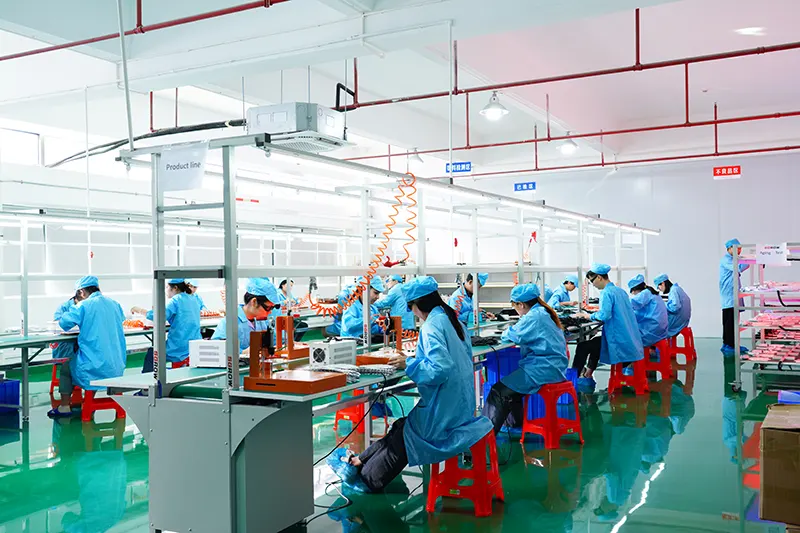
Partnering with an experienced manufacturer like Pureluxtech provides access to advanced technology (such as dual-core chips and extended NIR wavelengths), flexible customization, and a commitment to quality backed by a 5-year warranty. Their expertise in scaling from home-use models like the ES300 to clinical systems like the ESPLUS1500 ensures they can meet your needs regardless of your market segment.
In the competitive wellness landscape, specifications are not just numbers—they are promises to your customers. Choose wisely, verify thoroughly, and build a product that stands the test of time.
Ready to Start Your OEM Project? Contact Pureluxtech today to discuss your specifications, request a sample, or download their wholesale catalog. Let’s engineer the next generation of light therapy together.