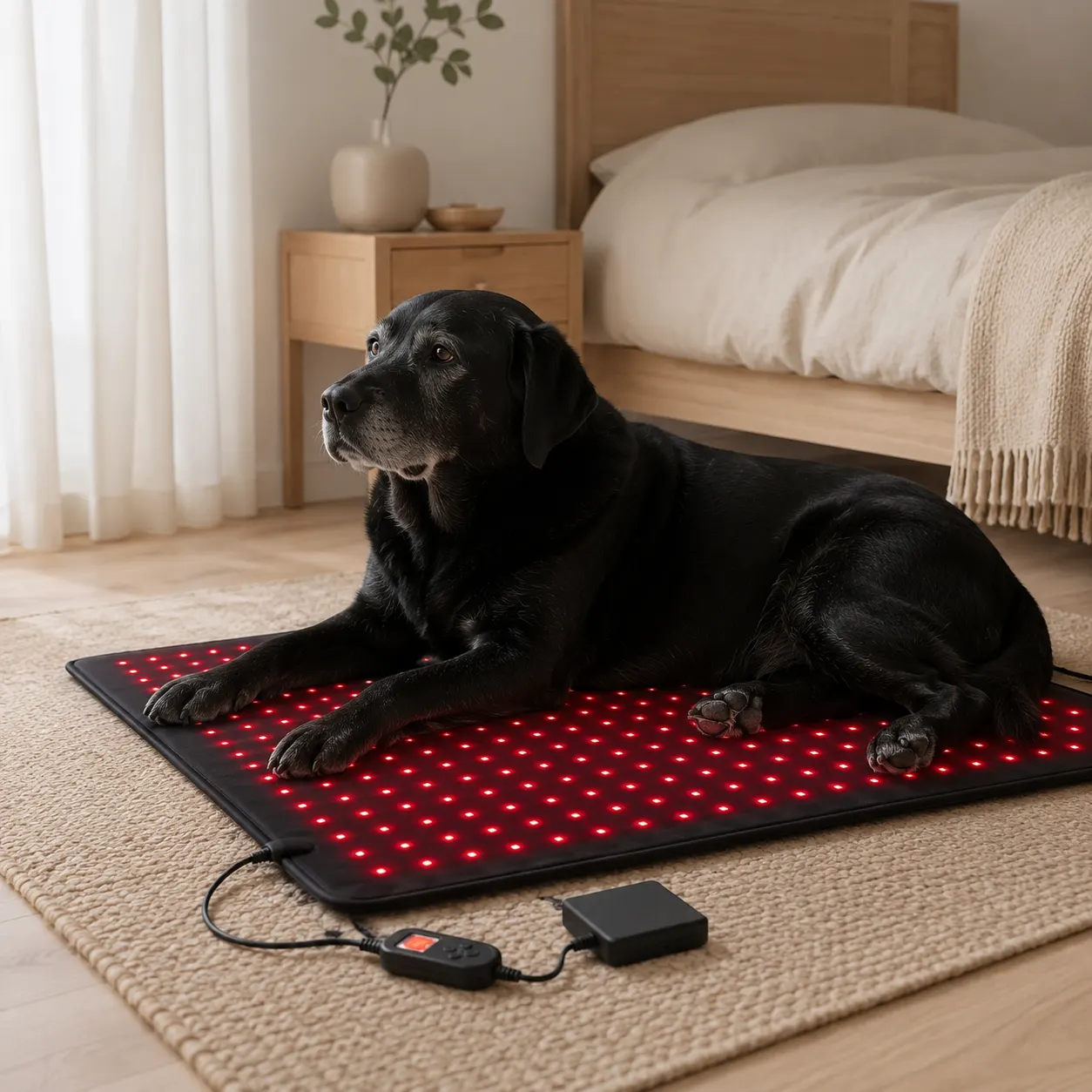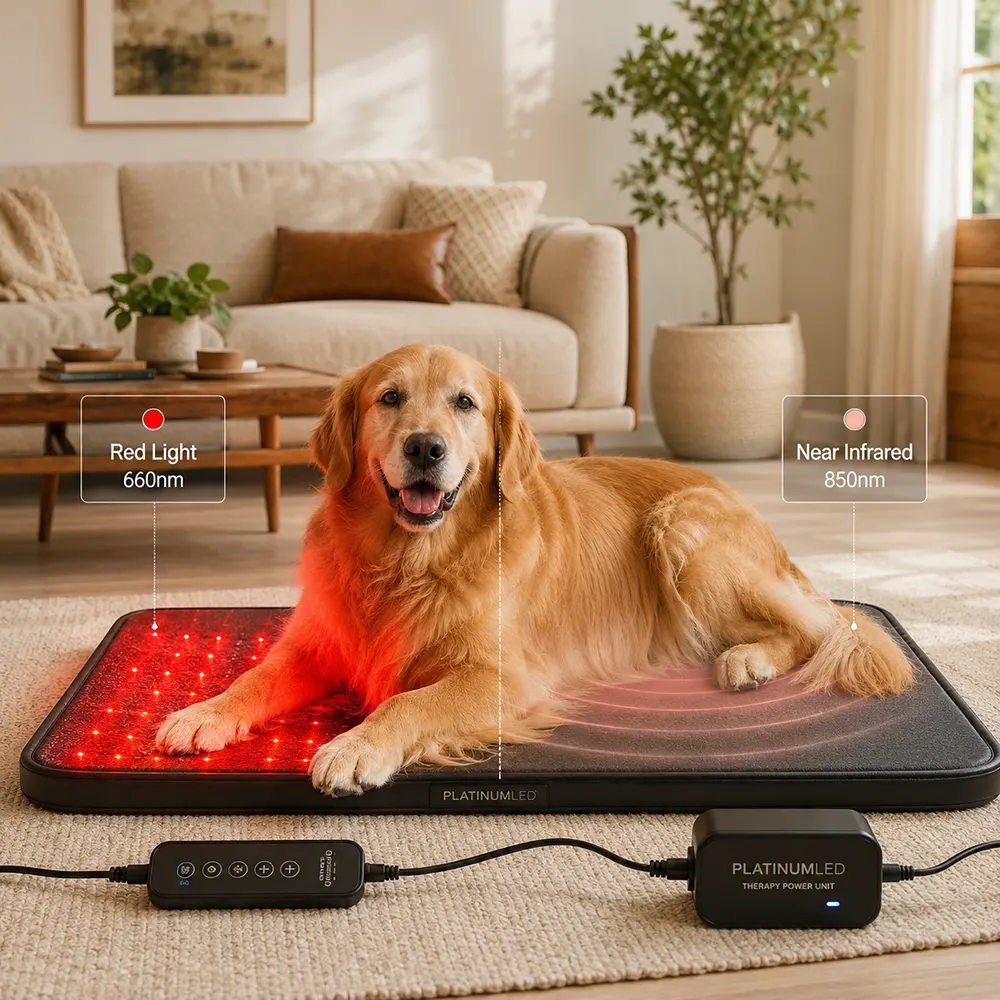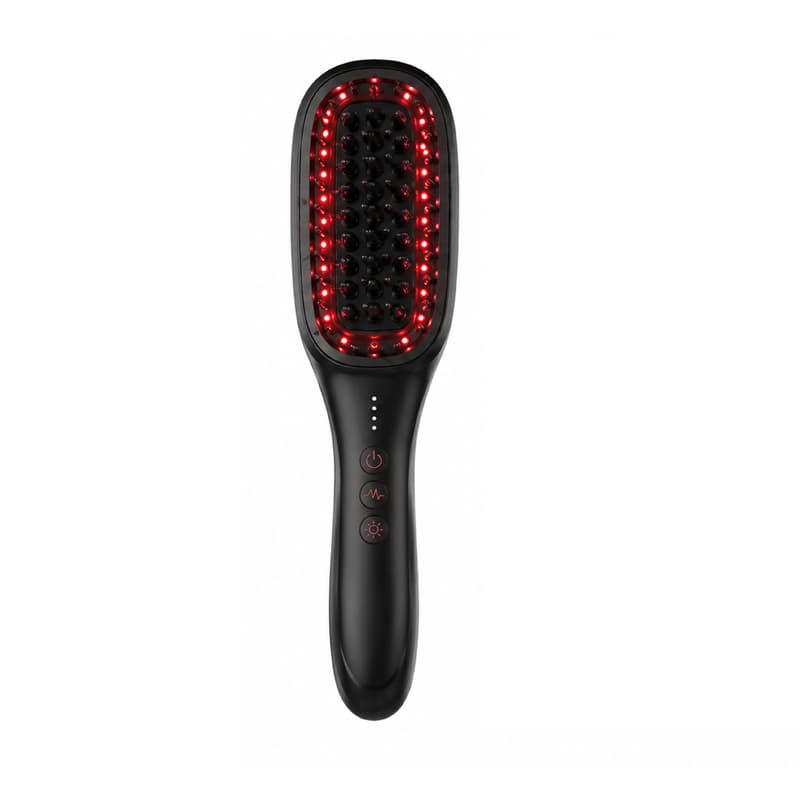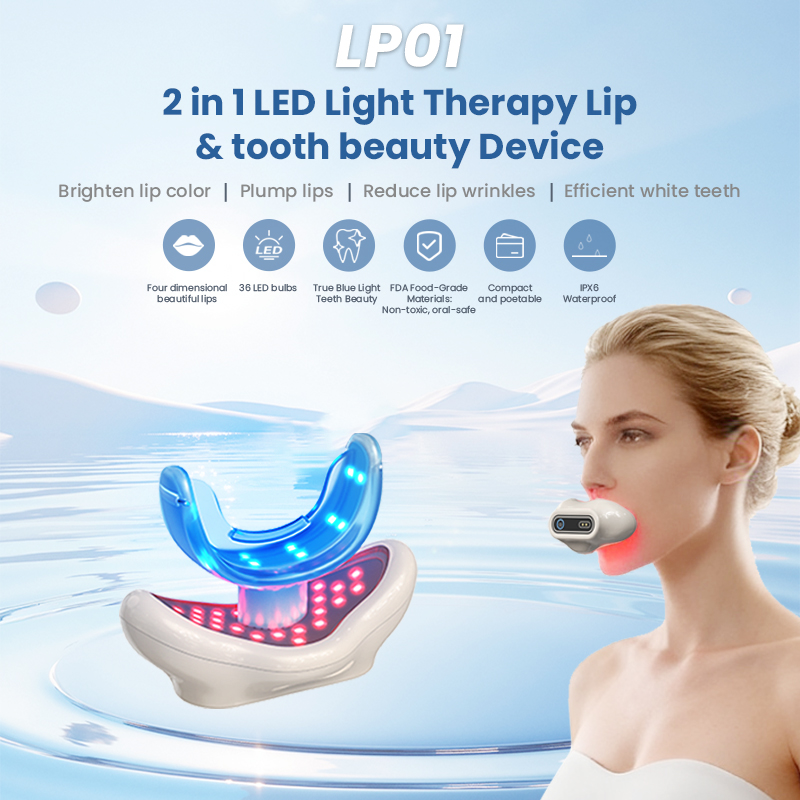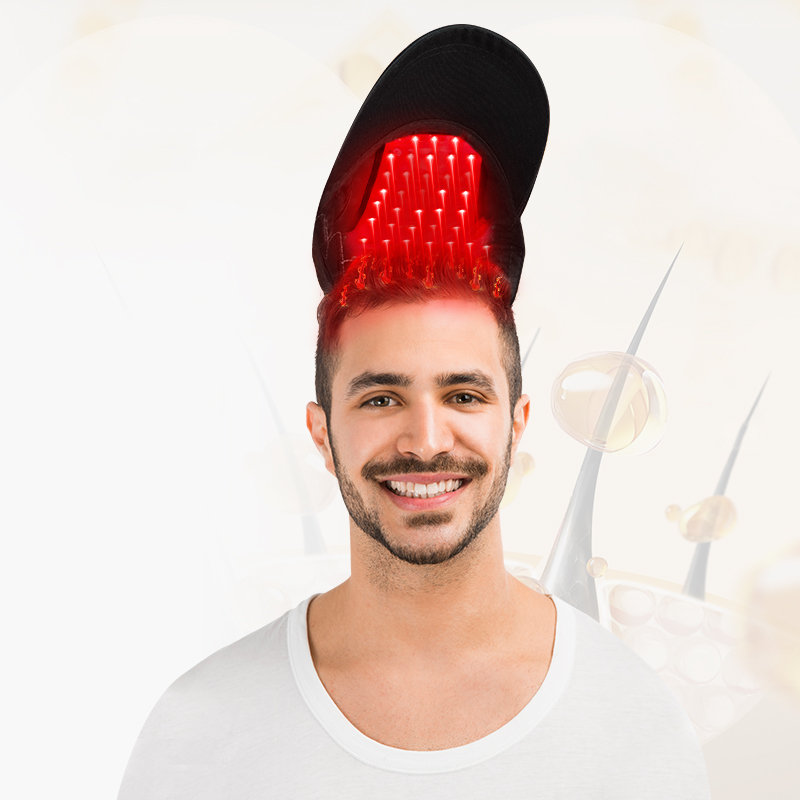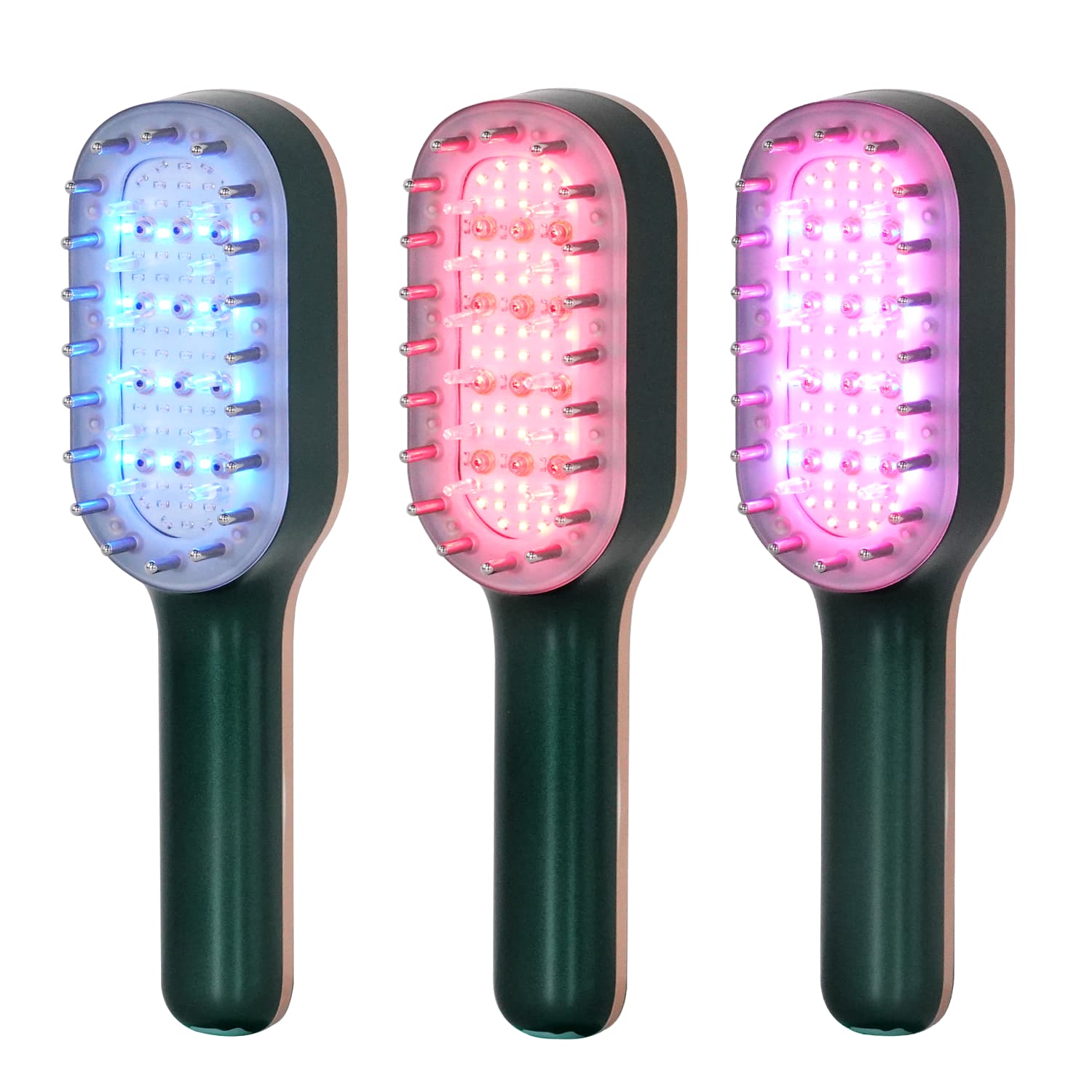
Importing red light therapy panels from China offers international distributors, clinic chains, and wellness brands access to advanced LED manufacturing ecosystems, competitive pricing, and scalable production capacity. However, navigating the supply chain requires strategic planning, technical verification, and partnership diligence. This practical guide walks you through the end-to-end process of identifying and partnering with a reliable red light therapy panel import supplier in China—helping you avoid common pitfalls and build a sustainable supply foundation for your business in 2026 and beyond.
Why Import Red Light Therapy Panels from China?
China dominates global LED manufacturing for compelling reasons:
|
Advantage
|
Business Impact
|
|---|---|
|
Supply Chain Integration
|
Access to premium LED chips (Epistar, San’an), optical components, and aluminum extrusion in one ecosystem
|
|
Cost Efficiency
|
Competitive unit pricing without sacrificing quality when partnering with verified manufacturers
|
|
Scalable Production
|
Capacity to fulfill pilot orders (50–100 units) and scale to enterprise volumes (5,000+ units)
|
|
Technical Expertise
|
Engineering teams experienced in photobiomodulation design, thermal management, and driver programming
|
|
OEM Flexibility
|
Customization options for wavelengths, power, housing, controls, and branding
|
For importers, the opportunity is clear—but success depends on selecting the right partner.

Step 1: Define Your Import Requirements
Before contacting suppliers, clarify your specifications to streamline communication and filter unqualified partners:
|
Requirement Category
|
Key Questions to Answer
|
|---|---|
|
Technical Specs
|
Target wavelengths (660nm/850nm)? Required irradiance at 6 inches? Power range (300W–4500W)?
|
|
Target Market
|
USA, EU, UK, Asia? Required certifications (CE, FCC, FDA registration)?
|
|
Order Volume
|
Pilot order (50–100 units) or bulk production (500+)? Expected annual volume?
|
|
Customization Needs
|
Private label branding? Custom wavelength ratios? Smart controls or app integration?
|
|
Logistics Preferences
|
Preferred Incoterms (FOB, CIF, DDP)? Destination port? Target landed cost?
|
Having clear answers accelerates supplier qualification and reduces misalignment later in the process.
Step 2: Identify and Vet Potential Import Suppliers
Not all Chinese manufacturers operate at the same level. Use these channels and criteria to find credible partners:
🔹 Sourcing Channels
- B2B Platforms: Alibaba, Made-in-China, Global Sources (filter for “Verified Supplier” or “Gold Member”)
- Industry Trade Shows: Canton Fair, Hong Kong Electronics Fair, specialized wellness expos
- Direct Outreach: Search manufacturer websites (e.g., Pureluxtech) for OEM inquiry forms
- Referrals: Ask industry peers or consultants for trusted supplier recommendations
🔹 Vetting Checklist
- Factory Ownership: Confirm they operate their own production facility, not just trading
- Technical Documentation: Request spectrometer reports, irradiance mapping, and certification copies
- Sample Availability: Willingness to provide pre-production samples for testing
- Communication Quality: Responsive, proficient English (or your language), and technical knowledge
- References: Ask for contacts at existing client companies in your region
💡 Pureluxtech Advantage: As a direct manufacturer with transparent factory operations, Pureluxtech welcomes virtual tours, provides batch-specific test reports, and offers sample programs with fast turnaround (7–10 days).
Step 3: Verify Technical Performance Before Importing
Therapeutic efficacy depends on precise engineering. Never rely solely on marketing claims—verify these critical metrics:v
🔹 Wavelength Accuracy
- Request spectrometer reports showing peak wavelengths within ±5nm tolerance for 660nm and 850nm
- Avoid suppliers who list vague ranges like “630–660nm” without precise peak data
🔹 Irradiance at Realistic Distance
- Demand irradiance data measured at **6 inches **(15 cm)—the standard treatment distance
- Look for ≥100 mW/cm² for home-use panels or ≥150 mW/cm² for clinical-grade units
- Request irradiance mapping to confirm uniform output across the panel surface
🔹 Build Quality Indicators
- Housing: Aircraft-grade aluminum with passive heat-sink design (avoid plastic for high-wattage panels)
- LEDs: Premium chip brands with tight binning tolerances for uniform output
- Driver: Constant-current regulation with protection circuits and pulse mode support
- Connectors: Industrial-grade, strain-relieved ports for durability during shipping and use
✅ Pureluxtech Standard: All E Series and Esplus Series panels undergo 100% aging tests and random spectrometer verification, with irradiance documented at 6 inches (e.g., ES300 ≥230 mW/cm²).
Step 4: Navigate Logistics, Customs, and Compliance
🔹 Certification Requirements by Market
|
Target Market
|
Key Certifications
|
|---|---|
|
USA
|
FCC, FDA registration (facility + device listing), UL power supply
|
|
EU
|
CE, RoHS, REACH compliance
|
|
UK
|
UKCA, CE (transitional acceptance)
|
|
Global
|
ISO 9001 (quality management), IEC 62368-1 (electrical safety)
|
🔹 Shipping and Customs Strategy
- Incoterms Clarity: FOB (you handle freight) vs. DDP (supplier handles everything to your door)
- Documentation: Ensure commercial invoice, packing list, certificate of origin, and compliance docs are prepared correctly
- Duties and Taxes: Research HS codes and import duties for your country to calculate landed cost accurately
- Quality Inspection: Consider third-party pre-shipment inspection (SGS, Intertek) for first orders
🔹 Risk Mitigation Tips
- Start with a small pilot shipment to test logistics, customs clearance, and product performance
- Use secure payment methods (e.g., letter of credit, escrow) for large orders
- Maintain buffer inventory to account for shipping delays or production variability
💡 Pro Tip: For DDP shipping to North America or Europe, partner with suppliers who have experience with regional customs brokers to simplify import processes.
Step 5: Build a Sustainable Import Partnership
🔹 Contract Clarity
- Detailed technical specifications with tolerance ranges
- Quality acceptance criteria and rejection protocols
- Payment terms (typically 30% deposit, 70% before shipment)
- Warranty terms (3–5 years ideal) and RMA process for defective units
- IP protection for custom designs and branding
🔹 Communication Cadence
- Assign dedicated contacts on both sides for technical, logistical, and commercial questions
- Schedule regular check-ins during production to monitor progress
- Use shared project management tools for transparency on timelines and deliverables
🔹 Long-Term Scalability
- Discuss capacity planning for future order increases
- Explore roadmap alignment: Can the supplier support new features or product line extensions?
- Evaluate continuous improvement: Do they invest in R&D and process optimization?
✅ Pureluxtech Partnership Model: Offers bilingual account management, real-time order tracking, flexible MOQs for growth, and a 5-year warranty that reduces long-term risk for import partners.
Red Flags to Avoid When Importing from China
❌ Vague or Inconsistent Communication: Delays, language barriers, or evasive answers suggest operational issues.
❌ No Sample Policy: Reputable manufacturers encourage testing before bulk orders.
❌ Pressure for 100% Upfront Payment: Standard terms involve staged payments tied to production milestones.
❌ Copycat Designs: Suppliers selling identical panels to multiple brands may lack innovation or IP respect.
❌ Missing Certification Documentation: Cannot provide traceable CE/FCC/FDA paperwork upon request.
🔍 Due Diligence Tip: Request a video call to tour the production floor and QC station. Ask to see recent spectrometer reports and aging test logs.
Final Takeaway: Import Smart, Build Strong
Importing red light therapy panels from China offers tremendous opportunity—but success depends on rigorous verification, clear communication, and partnership-minded collaboration. By defining requirements upfront, vetting suppliers thoroughly, verifying technical performance, planning logistics carefully, and building sustainable relationships, you position your business for long-term growth in the booming photobiomodulation market.
Pureluxtech exemplifies the import partner worth investing in: combining precision engineering, transparent quality processes, flexible OEM programs, and responsive support to help brands launch and scale with confidence. Whether you are importing your first 50 units or planning a multi-country distribution rollout, choosing a manufacturer that prioritizes both performance and partnership turns importing from a challenge into a competitive advantage.