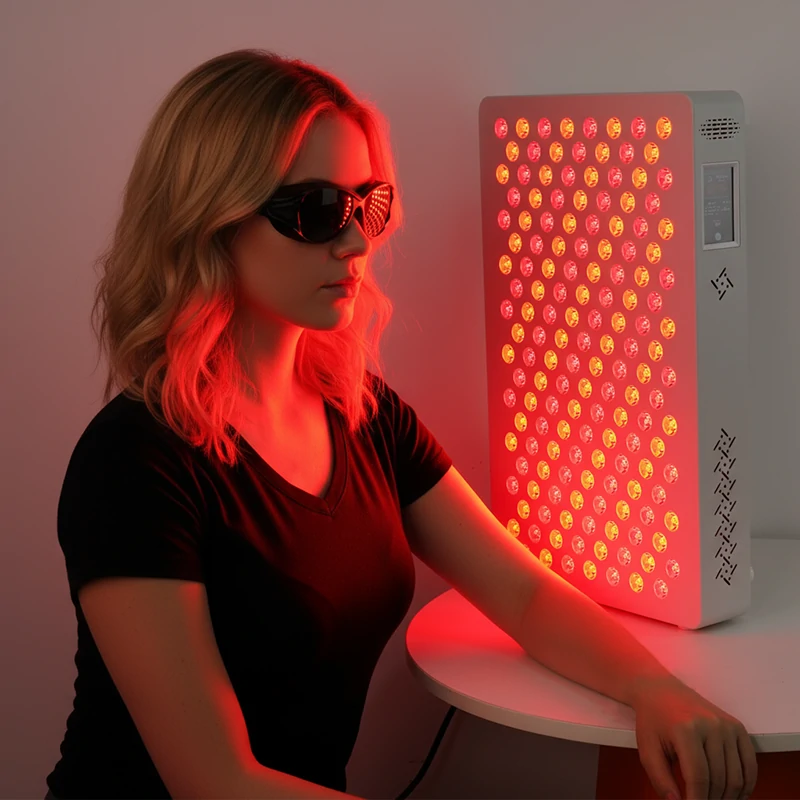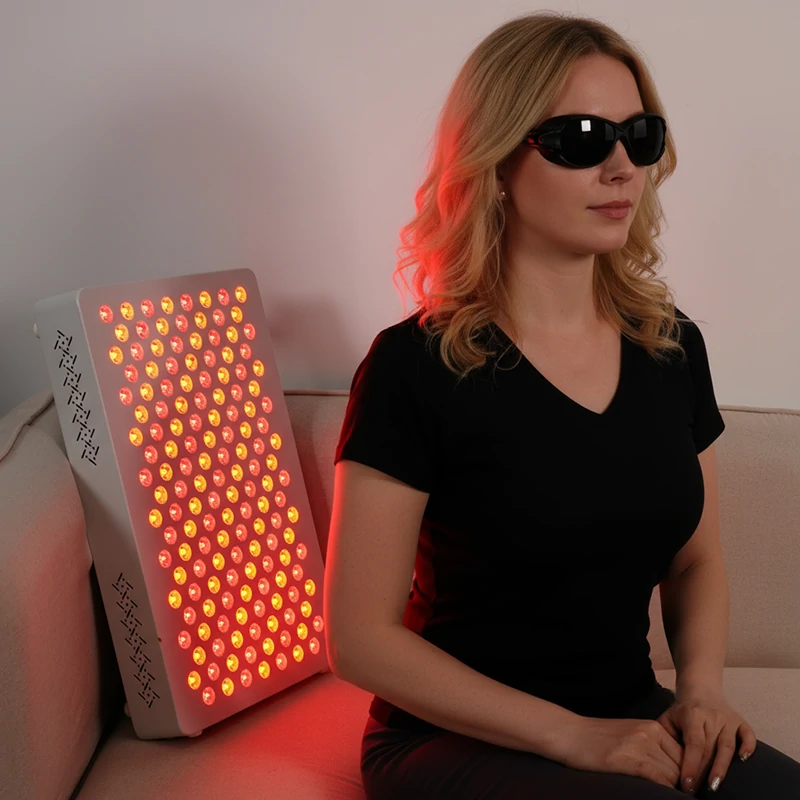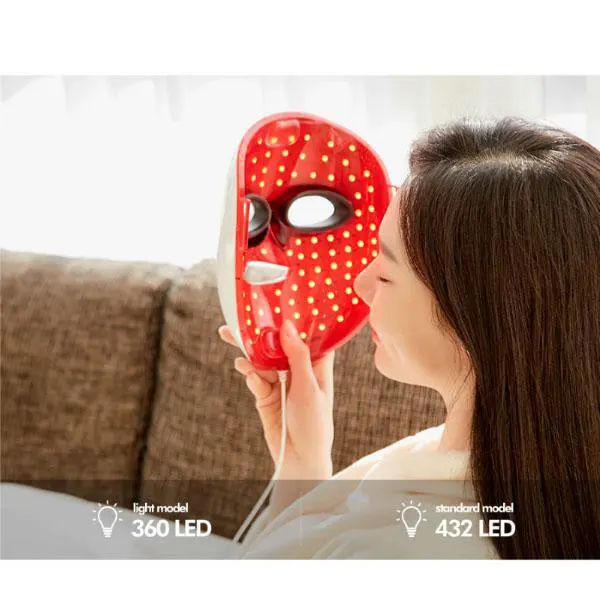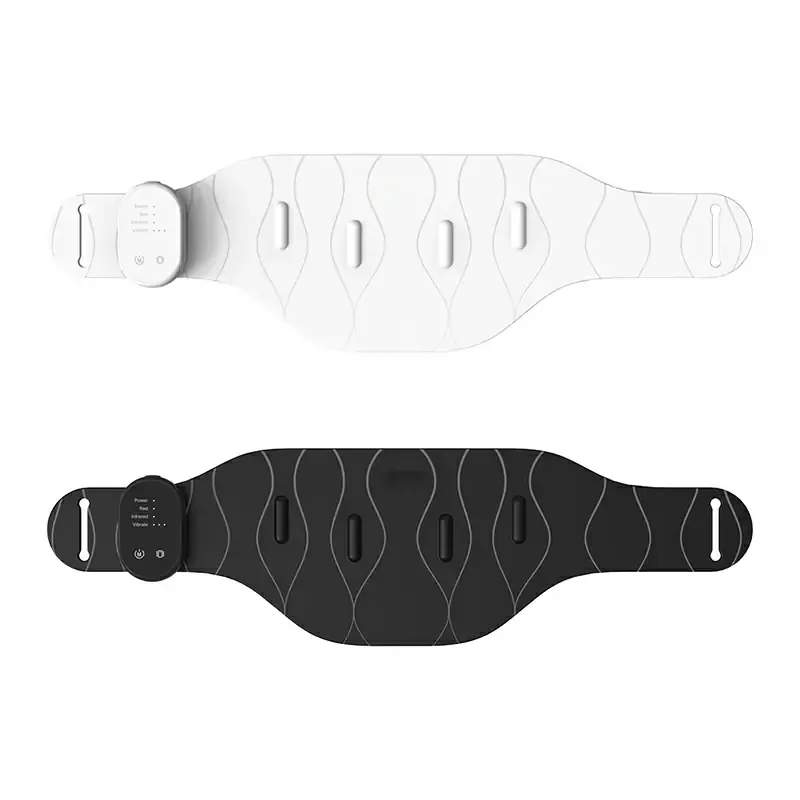
What is Light Therapy for Dogs?
Infra-red light therapy can make a huge difference to your dog if they have had an injury or operation, are suffering from a chronic, degenerative musculoskeletal condition like arthritis or hip dysplasia, have dermatological issues, or even just need a bit of comfort for their creaky aging joints.
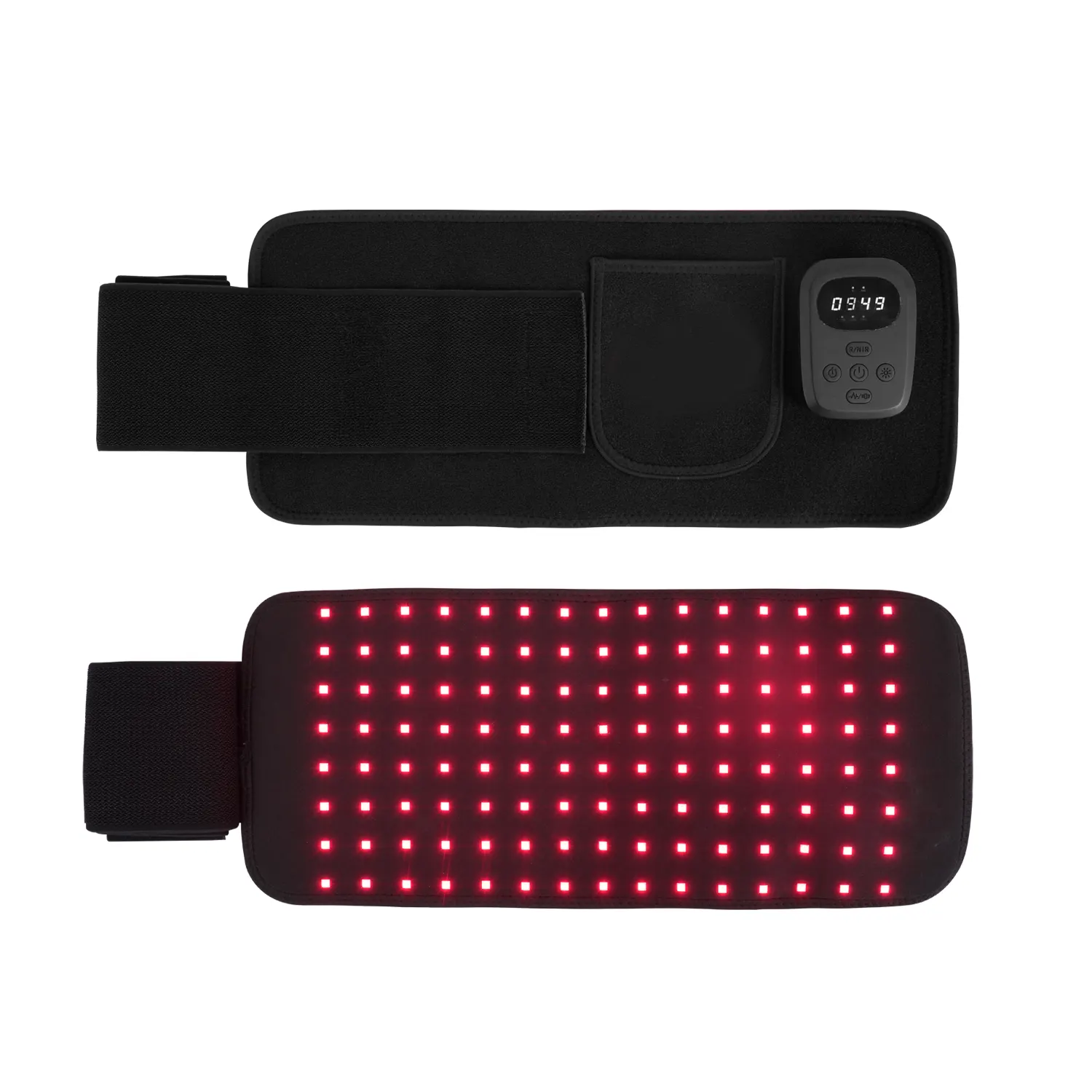
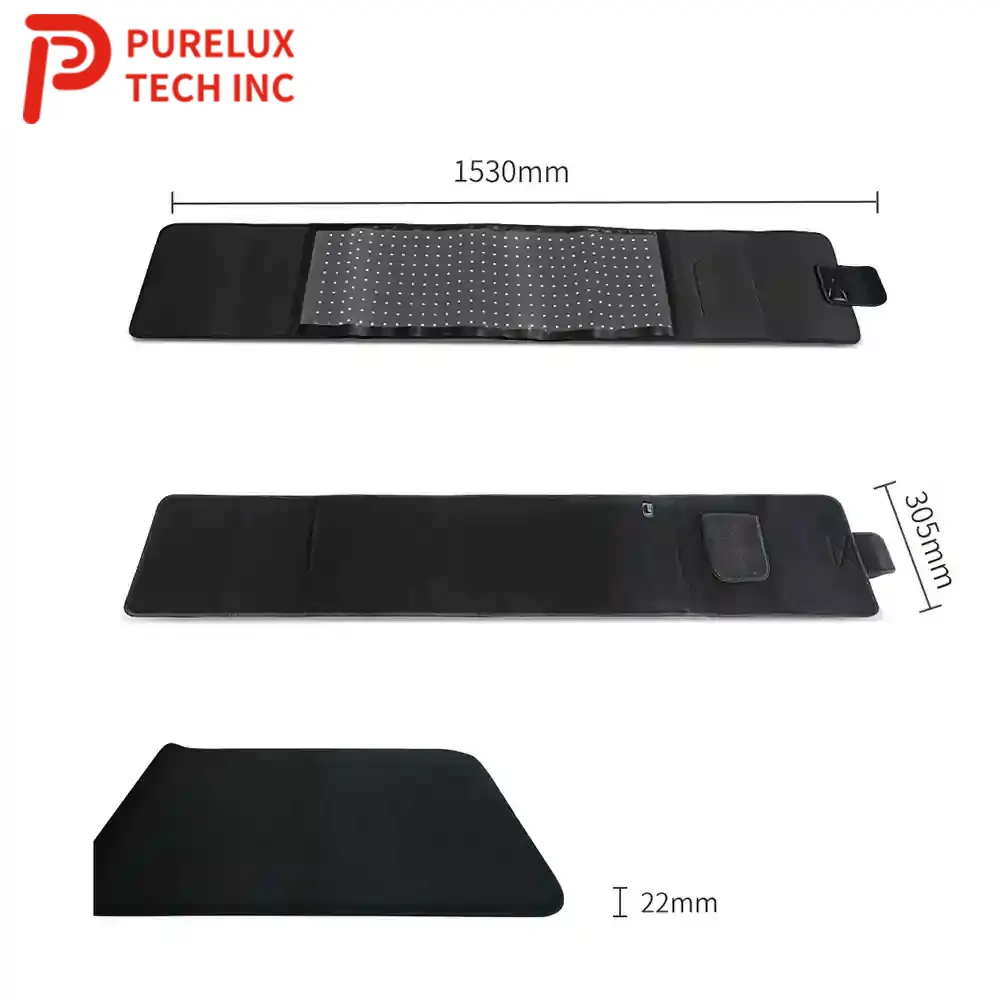
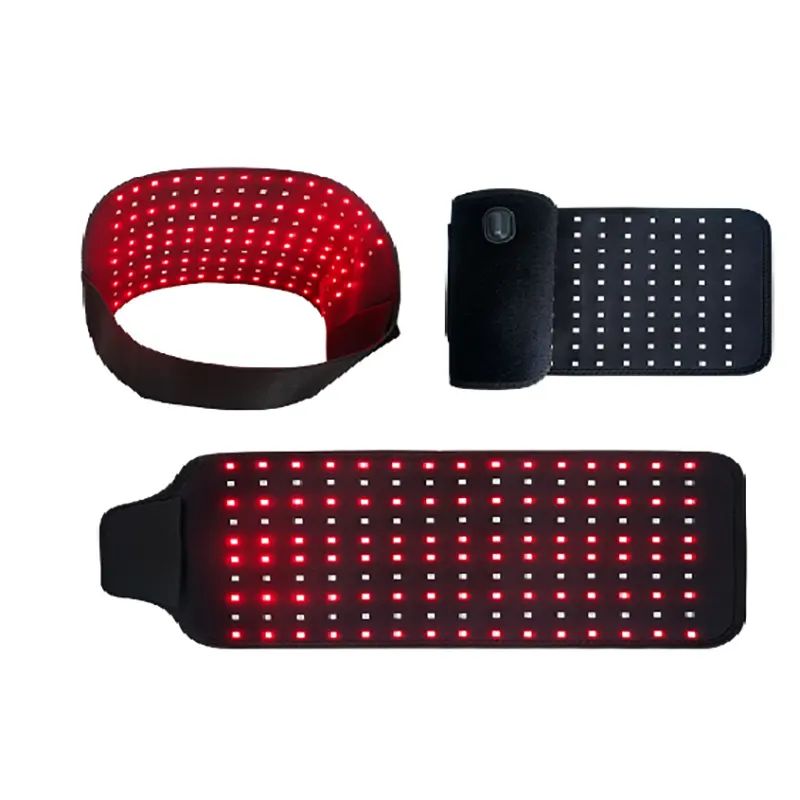
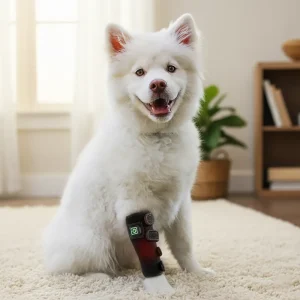
Light therapy is non-invasive, simply buy a wrap or device that contains LEDs and fix to the limbs or around the torso.
De onderste regel: A Quick Overview
Before diving into the details, here’s a quick reference guide:
-
Acute Injuries (bijv., wounds, sprains, post-surgery recovery): Preliminary improvement may be seen within 24-48 uur, with significant healing acceleration in some cases within 10 dagen.
-
Chronic Conditions (bijv., artritis, hip dysplasia): Significant improvement typically requires 2-6 weeks of consistent treatment.
-
Single Session Duration: Depending on your dog’s size and the treatment area, each session lasts 5-20 notulen.
-
Treatment Frequency: During the acute phase, this might mean 1-2 times daily; for chronic conditions, the induction phase usually involves 2-3 keer per week, tapering to once a week or less for maintenance.
Why Does Red Light Therapy Take Time? – A Brief Scientific Explanation
To understand the timeline, you first need to grasp what red light therapy (also known as Photobiomodulation or PBM) actually does inside the body.
1.1 “Metabolic Kickstart” at the Cellular Level
When a dog suffers from chronic inflammation or degenerative joint disease, the cells are in a state of “metabolic bankruptcy.” Taking arthritis as an example, the chondrocytes (cells that produce cartilage) within the joint are oxygen-deprived. This causes nitric oxide (NO) to bind with cytochrome c oxidase (CCO), effectively clogging the cell’s energy production line.
The Role of Red/Near-Infrared Light: Photons of specific wavelengths (particularly 810nm-1064nm) are absorbed by CCO, immediately dissociating the nitric oxide. This allows oxygen to rebind, restoring the production of ATP (adenosinetrifosfaat), de energievaluta van de cel.
This “metabolic kickstart” is instantaneous. Echter, the cells using this new energy to repair tissue, clear inflammation, and synthesize collagen takes time.
1.2 Dosage Determines Effect: The Arndt-Schulz Law
The therapeutic effect isn’t a case of “more light is better.” It follows an optimal window known as the Arndt-Schulz Law:
-
Too Low Dose: The cellular threshold isn’t reached, and nitric oxide cannot be dissociated (common with low-power home devices).
-
Optimal Dose: ATP production is maximized, reaching the clinical treatment “sweet spot.”
-
Too High Dose: Cells may be overstimulated, potentially causing mitochondria to temporarily “shut down” or even leading to thermal damage.
This is why there can be significant differences in the onset time and effectiveness between professional-grade Class IV lasers used by veterinarians (output power 15-25 watts) and low-power home devices (which might be only 500 milliwatts). High power is necessary to overcome the 80-90% energy loss caused by fur and skin, ensuring enough photons reach deep joints.
Detailed Timelines for Different Conditions
2.1 Acute Injuries (Fastest Onset)
For acute issues like post-surgical wounds, fresh sprains, or acute dermatitis (hot spots), red light therapy typically works fastest.
-
Post-Surgical Wound Healing: In one clinical case, a 9-year-old Labrador Retriever received red light therapy three times a week after tumor removal surgery. The result was wound closure accelerated by tot 40% compared to expectations. The dog showed reduced licking and increased mobility within 10 dagen.
-
Acute Dermatitis (Hot Spots): A study involving 8 dogs with acute moist dermatitis (hot spots) showed that all dogs had complete resolution of lesions after a maximum of 2 treatments (one week apart) . No recurrence was observed in any case during at least one month of follow-up. This demonstrates the rapid effect of red/fluorescent light energy on acute skin issues.
-
Sprains and Ligament Injuries: For injuries like a torn cranial cruciate ligament (CCL), red light therapy cannot repair the completely torn ligament, but it can significantly reduce the accompanying pain and inflammation. Some pet owners report that their dogs, after using a home device twice daily, were finally able to bear weight, walk, and play without limping.
Time to Initial Improvement: Reduced swelling and pain relief are typically noticeable within 24-48 uur. Significant tissue healing (like wound closure) may take 1-2 weeks.
2.2 Chronic Conditions (Patience Required)
For chronic degenerative conditions like arthritis, hip dysplasia, and intervertebral disc disease (IVDD), red light therapy is a long-term management tool, geen snelle oplossing.
-
Clinical Case: “Gunner,” an 8-Year-Old Rottweiler
-
Condition: Bilateral elbow dysplasia with severe osteoarthritis; pain score 8/10.
-
Treatment Protocol: Class IV laser (810nm+980nm, 15 watts), 3 times weekly for 2 weeks (induction phase), followed by once weekly for 4 weeks (maintenance phase).
-
Timeline:
-
Week 2: Owner reported the dog was “getting up faster,” started playing, pain score dropped to 5/10.
-
Week 6: Elbow range of motion increased by 15 degrees, pain response significantly reduced.
-
3-Month Follow-up: The dog could manage 20-minute daily walks and successfully discontinued one pain medication.
-
-
-
Clinical Case: “Cooper,” an 11-Year-Old Golden Retriever
-
Condition: Grade IV bilateral hip osteoarthritis with lumbosacral stenosis; pain score 9/10.
-
Treatment Protocol: 20-watt Class IV laser system; induction phase 3 times weekly for 2 weeks.
-
Timeline:
-
After 2nd Treatment (around Day 4-5) : The dog fell asleep during treatment (indicating systemic endorphin release and pain relief).
-
Week 2: Owner reported the dog was “wagging his tail” in the morning and no longer cried when getting up from bed; pain score dropped to 5/10.
-
Week 4: The dog attempted to climb stairs for the first time in six months; hind limb weight-bearing time increased by 25%.
-
-
Time to Initial Improvement: Some dogs may show reduced pain and improved demeanor within 1-2 weeks. Echter, significant, structural functional improvement (like increased range of motion, discontinuing medication) typically requires 4-6 weeks of consistent, systematic treatment. De “inflamm-aging” in senior pets requires ongoing energy support to maintain results.
2.3 Impact of Different Sizes and Breeds
-
Size: Treatment time is usually longer for large dogs (15-20 notulen) compared to small dogs (5-10 notulen) to ensure enough photons reach deep tissues.
-
Coat: Dogs with dark, double coats (like Rottweilers, German Shepherds) will absorb and scatter more light. Daarom, achieving the same deep-tissue effect may require higher-powered devices or more precise technique.
Guide to Treatment Frequency and Session Duration
3.1 Single Session Duration
According to veterinary and clinical guidelines, session duration varies based on the device and condition:
-
Professional Clinics (Class IV Laser) : Due to high power, each area may only need under 1 minute, but the total energy delivered (in Joules) is very high. For example, a large dog’s elbow joint might require 6-8 notulen for a total energy dose of around 4000 Joules.
-
Home Devices (LED or Low-Power Laser) : Sessions are typically recommended to last 5-20 notulen, depending on the dog’s size and the treatment area.
-
Small Dogs: 5-10 notulen
-
Medium Dogs: 10-15 notulen
-
Large Dogs: 15-20 notulen
-
-
General Principle: Start with shorter sessions, observe your dog’s reaction, and gradually increase the time.
3.2 Treatment Frequency
Treatment is generally divided into two phases:
-
Induction Phase (Intensive Treatment Period) :
-
Goal: Rapidly control inflammation and kickstart the healing process.
-
Frequentie: For acute pain (bijv., post-surgery, new injury), this could mean dagelijks voor 3-5 dagen. For chronic conditions (bijv., artritis), it’s typically 2-3 keer per week voor 2-4 weeks.
-
Example: Both Gunner’s and Cooper’s cases used an induction phase of 3 times weekly for 2 weeks.
-
-
Onderhoudsfase:
-
Goal: Sustain the therapeutic effects and prevent symptom recurrence.
-
Frequentie: Based on the dog’s response, frequency is gradually reduced to één keer per week, or even a “booster” treatment every 2-4 weeks. Gunner transitioned to monthly “booster” treatments after 6 weeks.
-
How to Tell If Your Dog Is Improving
Don’t rely on a single indicator. Observe these combined changes:
-
Behavioral Changes:
-
Is getting up, lying down, or climbing stairs easier?
-
Is your dog more willing to play or go for walks?
-
Is their facial expression more relaxed? Is their tail wagging more often?
-
-
Decreased Pain Indicators:
-
Do they no longer yelp or flinch when you touch a painful area?
-
Have they reduced licking or chewing at a specific spot (like a joint)?
-
-
Improved Mobility:
-
Is their gait steadier? Is limping reduced?
-
Has their range of motion increased? (You can observe the angle of their back legs when they sit).
-
-
Reduced Medication Needs: This is an objective measure of effectiveness. Can the dosage of painkillers or anti-inflammatories be successfully reduced, under veterinary guidance?
At-Home Treatment vs. Professional Clinic Treatment
Your choice will directly impact the onset time and final outcome.
| Feature | Professional Veterinary Clinic (Class IV Laser) | Home Red Light / LED Devices |
|---|---|---|
| Stroom | High (15-25 watts or more) | Low (typically milliwatt range, ~0.5 watts) |
| Penetration Depth | Deep, can reach joint spaces | Shallow, mainly affects surface skin and muscles |
| Session Time | Short (notulen), but high energy density | Longer (10-20 notulen) |
| Advantages | More effective, faster results, can treat deep complex issues | Convenient, flexible, low cost, suitable for daily maintenance |
| Risks/Limitations | Must be operated by a professional; eye safety crucial | Limited effectiveness; may be ineffective for deep joint issues |
Conclusie: For serious chronic conditions or post-surgery recovery, initial induction phase treatment at a professional clinic with a high-power laser is key to rapid results. Afterwards, under veterinary guidance, a home device can be used for maintenance therapy to consolidate the gains.
Frequently asked questions
Is red light therapy safe for dogs?
Red light therapy is generally safe for dogs, with minimal side effects. It is crucial to monitor your dog for any adverse reactions and consult a veterinarian for safe application.
What conditions can red light therapy treat in dogs?
Red light therapy can effectively treat joint pain, artritis, soft tissue injuries, surgical incisions, skin conditions, and chronic issues such as intervertebral disc disease in dogs. Incorporating this therapy may significantly enhance your dog’s recovery and overall well-being.
How do I prepare my dog for red light therapy at home?
To prepare your dog for red light therapy at home, ensure they are clean and dry, and create a calm environment. Aanvullend, clean the treatment area and device while following the manufacturer’s instructions and seeking guidance from a veterinarian.
How often should I administer red light therapy to my dog?
It is essential to consult with a veterinarian to determine the appropriate dosage and frequency of red light therapy for your dog, as this can vary depending on the specific condition being treated.
What are the potential side effects of red light therapy in dogs?
Red light therapy in dogs generally has minimal side effects; however, it is crucial to observe for any adverse reactions like swelling or heat, particularly in dogs with photosensitivity or seizure disorders. Always consult your veterinarian if you notice any concerning symptoms.
Conclusie: Patience and Persistence are Key
Dus, back to the original question: “How long does red light therapy take to work on dogs?”
Voor acute sprains or wounds, you might see significant improvement within dagen. But for long-standing issues like chronic arthritis, be prepared for a timeline of weeks or even months, and view it as part of a long-term health management strategy.
Red light therapy isn’t magic; it’s a rigorous, photon-based medical science. It provides your dog’s cells with the energy they need to repair themselves, but the cells and tissues need time to use that energy for rebuilding.
As you begin treatment, watch closely for the subtle changes – maybe today your dog gets up with one less groan, or tomorrow they take a few extra steps on their walk. These are the signs that the light is working.
Ready to improve your beloved companion’s quality of life with the power of light? [Click here to explore our pet red light therapy devices]