In the rapidly expanding world of at-home wellness technology, two modalities frequently capture attention: infrared saunas and red light therapy beds. Both promise benefits ranging from pain relief and faster recovery to improved skin health and stress reduction. Еще, despite occasional overlap in marketing language, they are fundamentally different technologies with distinct mechanisms, applications, and ideal use cases. Understanding these differences is essential for making an informed investment in your health. This article provides a clear, evidence-based comparison to help you choose the right tool—or combination—for your wellness goals.
What Is an Infrared Sauna?
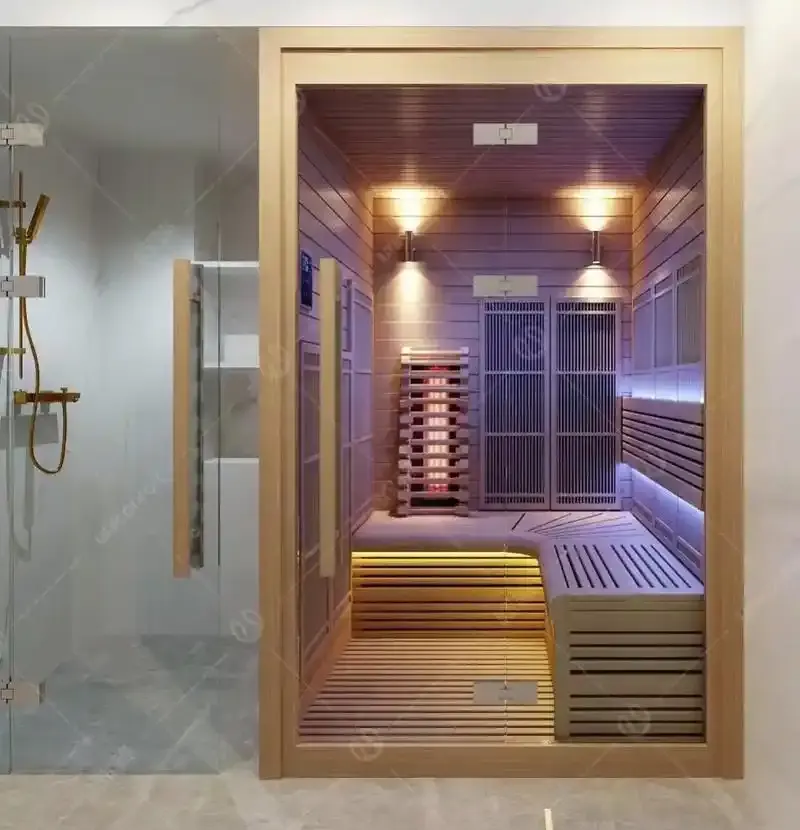
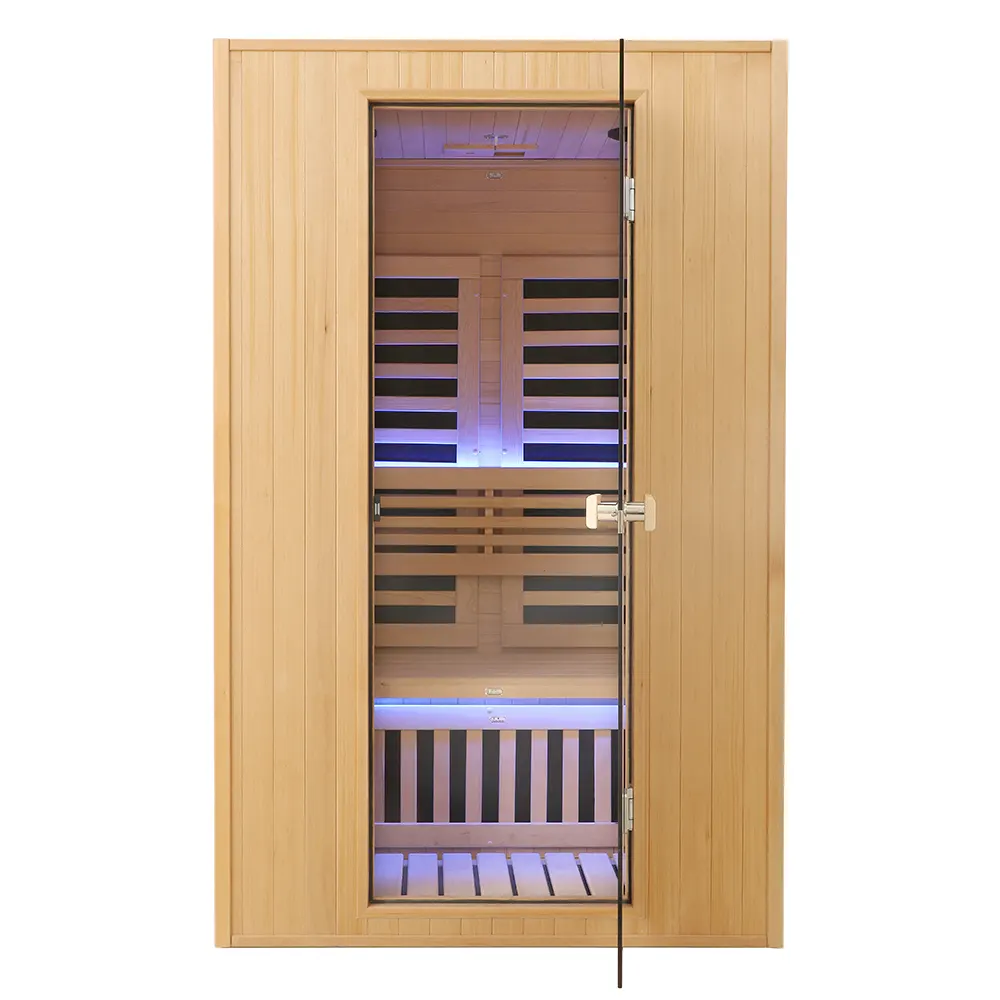
An infrared sauna is an enclosed cabin or room equipped with infrared emitters that radiate electromagnetic energy in the infrared spectrum—typically far-infrared (FIR), though some models include mid- and near-infrared wavelengths. Unlike traditional saunas that heat the air to induce sweating, infrared saunas bypass ambient heating and deliver thermal energy directly to the body’s tissues. Этот “deep heating” effect raises core body temperature gradually, usually within a comfortable range of 45–60°C (113–140°F).
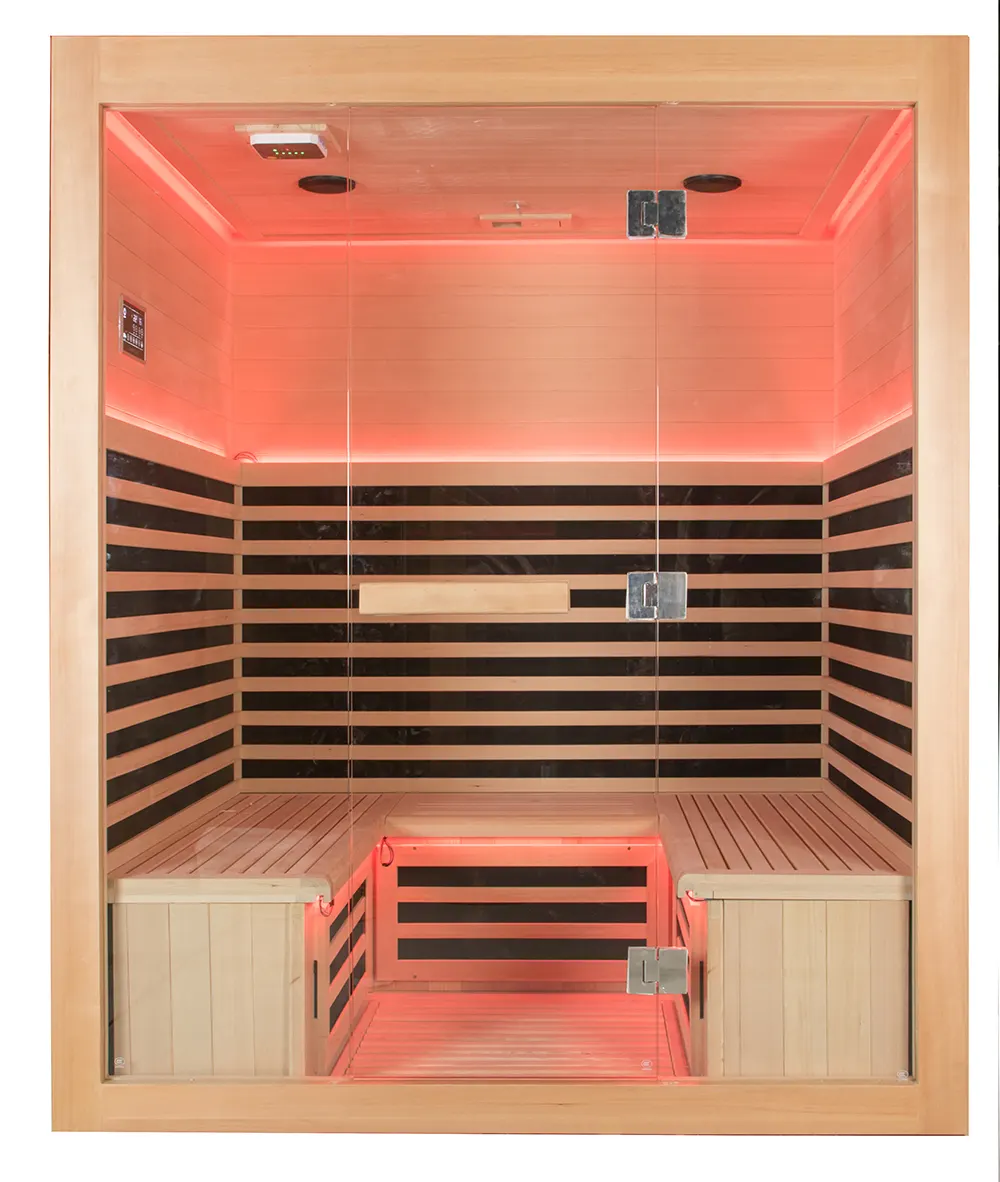
The primary physiological response is thermoregulatory: blood vessels dilate, heart rate increases mildly, and profuse sweating occurs. This process supports cardiovascular conditioning, улучшает кровообращение, and facilitates the elimination of water-soluble toxins through sweat. Infrared heat also stimulates the production of heat shock proteins (HSPs), which assist in cellular repair and reduce oxidative stress. Users commonly report benefits such as muscle relaxation, joint pain relief, improved sleep quality, and a profound sense of calm. Sessions typically last 20–40 minutes and are experienced in a seated or reclined position within a private, warm enclosure.
What Is a Red Light Therapy Bed?
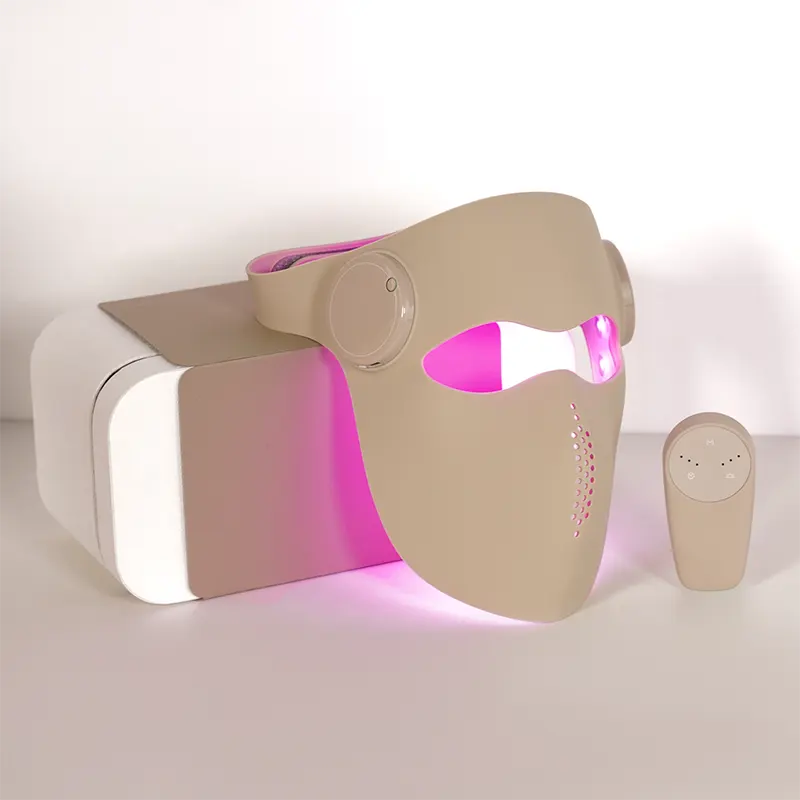
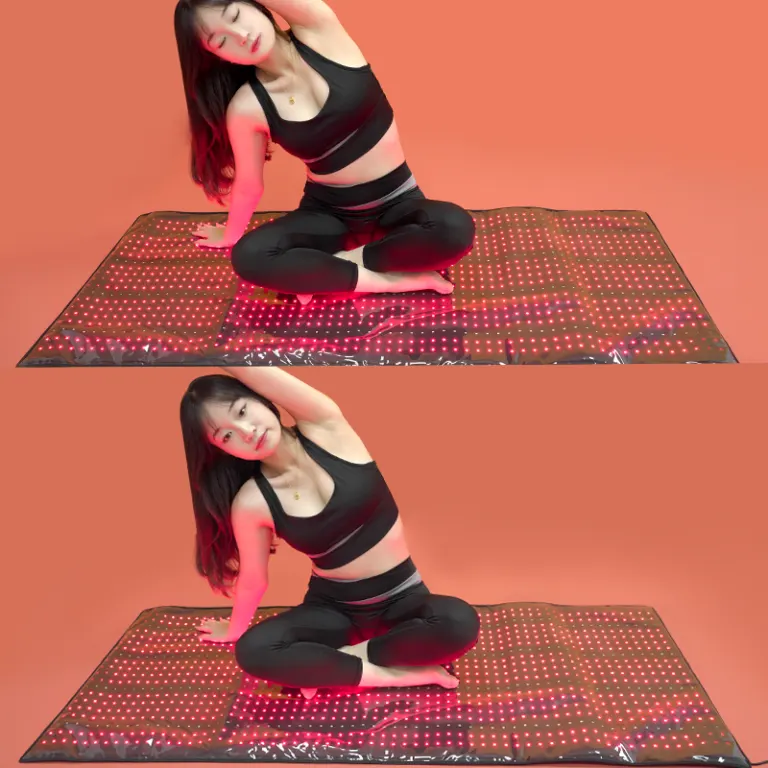
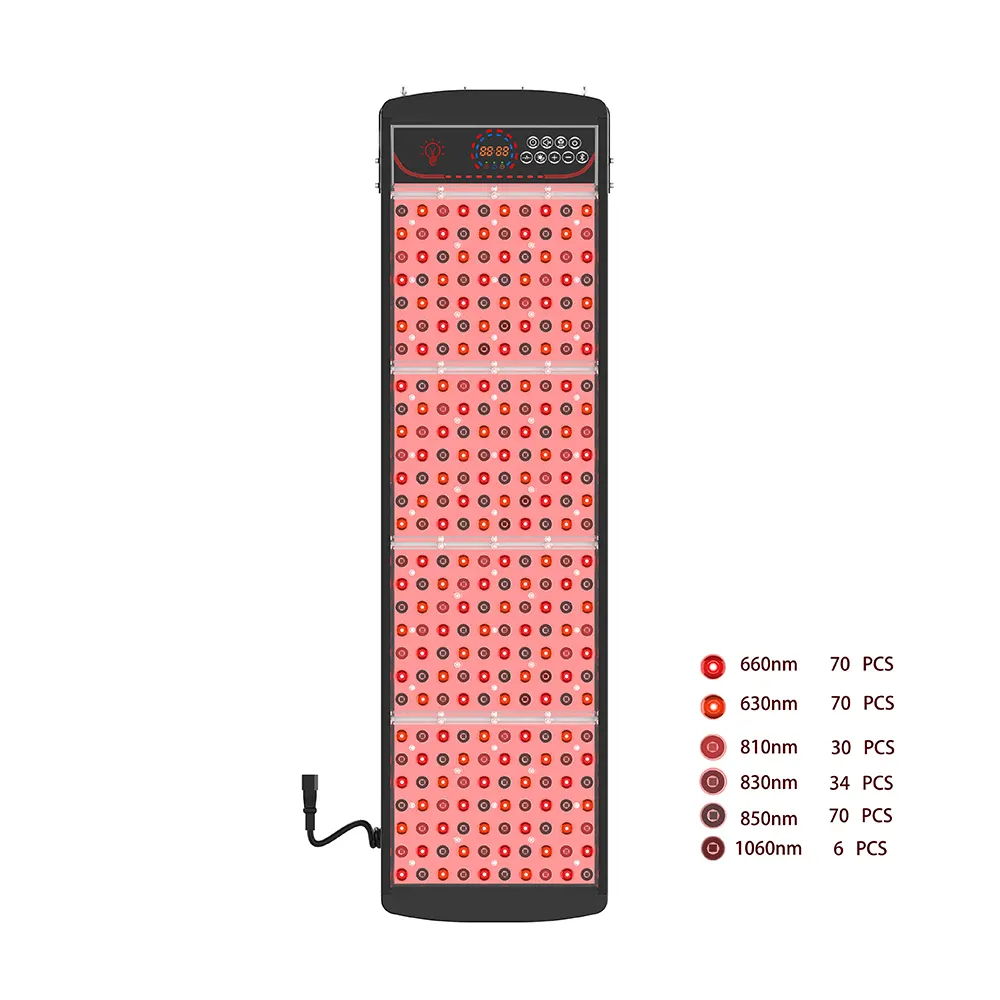
A red light therapy bed—sometimes called a photobiomodulation (ПБМ) bed or panel array—is a flat or contoured surface embedded with hundreds of light-emitting diodes (светодиоды) that deliver specific wavelengths of visible red light (600–700 nm) и ближний инфракрасный свет (700–850 нм). Unlike infrared saunas, these devices are not designed to generate significant heat. Вместо, they operate on the principle of photobiomodulation: photons of light are absorbed by mitochondria in cells, particularly by the enzyme cytochrome c oxidase, triggering a cascade of biochemical events that boost cellular energy (СПС) производство, уменьшить воспаление, and accelerate tissue repair.
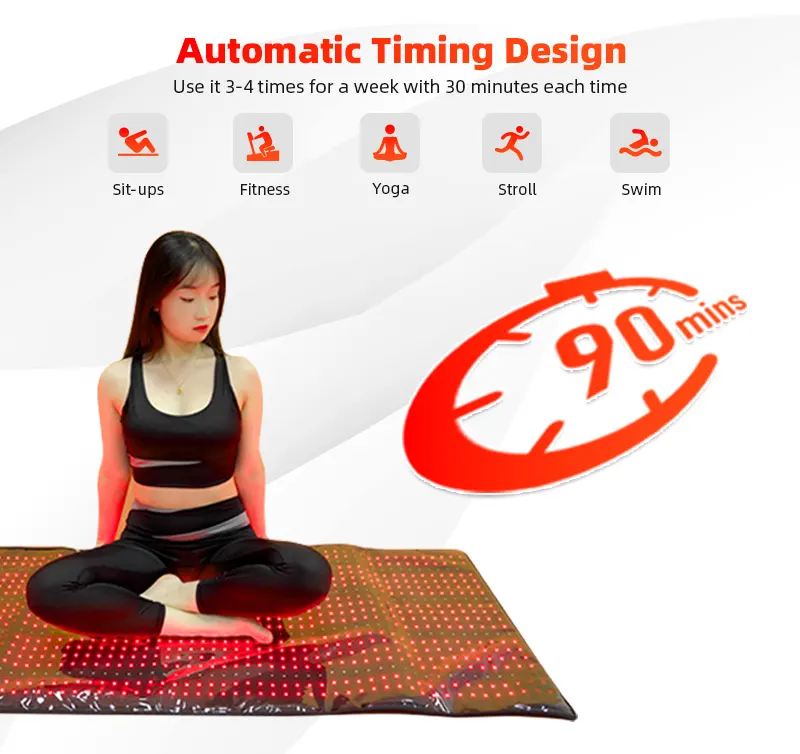
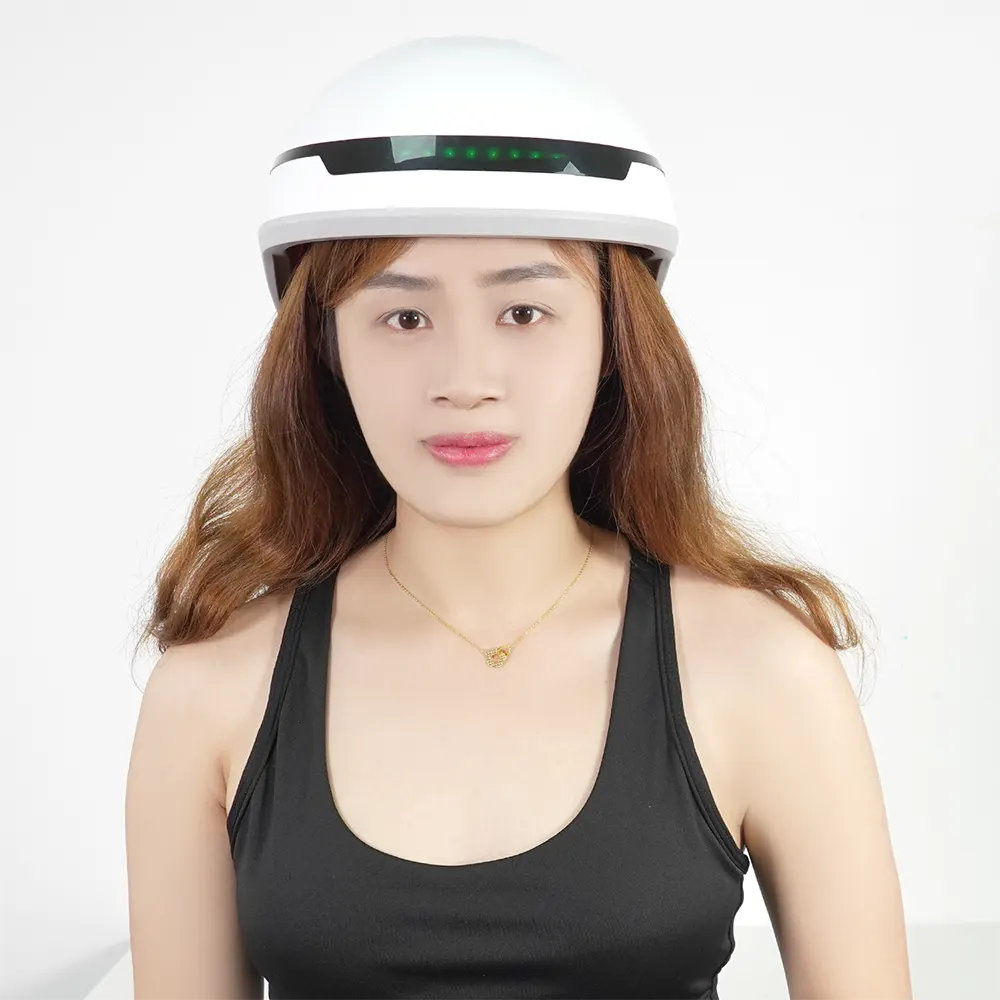
Red light therapy beds are used while lying down, fully exposed to the light panels above or surrounding the body. Sessions are typically shorter—10 to 20 minutes—and require no undressing beyond removing clothing that might block light exposure to target areas. Because there is minimal thermal effect, users do not sweat profusely and can often resume daily activities immediately afterward. Common applications include skin rejuvenation (reducing wrinkles, прыщи, and scarring), wound healing, hair regrowth, восстановление мышц, and management of inflammatory conditions like arthritis or tendonitis.
Key Differences at a Glance
|
Особенность
|
Infrared Sauna
|
Red Light Therapy Bed
|
|---|---|---|
|
Primary Mechanism
|
Thermal (infrared radiation heats tissues)
|
Photochemical (light photons stimulate cellular activity)
|
|
Key Wavelengths
|
Far-infrared (3000–10000 nm), sometimes mid/near-IR
|
Visible red (630–660 нм) + ближний инфракрасный (810–850 нм)
|
|
Heat Production
|
Significant; raises core body temperature
|
Minimal to none; non-thermal
|
|
Sweating
|
Profuse, detoxifying sweat
|
Little to no sweating
|
|
Session Duration
|
20–40 minutes
|
10–20 минут
|
|
User Experience
|
Warm, enclosed, relaxing; similar to mild exercise
|
Cool, open, clinical; passive exposure
|
|
Primary Benefits
|
Cardiovascular support, deep muscle relaxation, stress relief, detoxification
|
Skin health, tissue repair, inflammation reduction, cellular energy boost
|
|
Глубина проникновения
|
Heat penetrates several centimeters; effects are systemic
|
Light penetrates 5–30 mm depending on wavelength; effects can be localized or systemic
|
|
Противопоказания
|
Беременность, pacemakers, acute fever, certain medications
|
Photosensitivity disorders, active cancer (consult physician), certain medications
|
Physiological Effects: Heat vs. Light
The core distinction lies in how each modality interacts with human biology. Infrared saunas work through thermal stress: the gentle elevation of body temperature triggers adaptive responses like vasodilation, increased cardiac output, and HSP activation. These changes support systemic detoxification, improve endothelial function, and promote parasympathetic nervous system dominance—ideal for recovery after physical exertion or chronic stress.
Red light therapy beds, by contrast, operate through фотобиомодуляция. The absence of significant heat means the benefits arise purely from light-cell interactions. By enhancing mitochondrial efficiency, PBM reduces oxidative damage, modulates inflammatory pathways, and stimulates fibroblast activity for collagen synthesis. This makes it exceptionally valuable for targeted concerns like facial aging, sports injuries, or post-surgical healing—without the cardiovascular load of heat exposure.
When to Choose Which?
Your choice should align with your primary wellness objectives:
- Choose an infrared sauna if you: seek deep relaxation, want to support cardiovascular health, enjoy the ritual of sweating, manage chronic muscle or joint stiffness, or prefer a meditative, spa-like experience. It’s also ideal for those looking to complement an active lifestyle with passive recovery.
- Choose a red light therapy bed if you: prioritize skin rejuvenation, need localized pain or inflammation relief, are recovering from injury or surgery, have limited time for sessions, or prefer a non-thermal, non-sweating modality. It’s also well-suited for sensitive individuals who cannot tolerate heat exposure.
Can They Be Combined?
Absolutely—and many users find synergistic benefits when using both. Some advanced wellness centers and high-end home systems now integrate infrared heating elements with red/NIR LED arrays, allowing simultaneous thermal and photobiomodulation therapy. The mild heat from infrared exposure can enhance tissue permeability and blood flow, potentially improving light penetration and cellular uptake of photonic energy. Наоборот, red light therapy may help mitigate oxidative stress induced by thermal exposure, creating a balanced recovery environment. If pursuing both separately, schedule sessions on alternate days or allow at least a few hours between them to avoid overstimulation.
Safety and Practical Considerations
Both modalities are generally safe when used as directed, but important precautions apply:
- Infrared Sauna: Stay well-hydrated before and after use. Avoid alcohol, heavy meals, or intense exercise immediately prior. Limit sessions to 30–40 minutes initially. Contraindicated in pregnancy, with certain implants (например, pacemakers), or during acute illness.
- Red Light Therapy Bed: Always use protective eyewear if recommended by the manufacturer. Avoid use over malignant tumors unless under medical supervision. Those with photosensitivity conditions (например, lupus) or taking photosensitizing medications should consult a healthcare provider first.
When purchasing, verify wavelength accuracy (especially for red light devices), irradiance levels (мВт/см²), и сертификаты безопасности (одобрен FDA, CE, РоХС). For infrared saunas, assess emitter quality (carbon vs. ceramic), wood type, and ventilation design.
Заключение
While infrared saunas and red light therapy beds are sometimes conflated in wellness marketing, they serve complementary yet distinct roles in holistic health. Infrared saunas harness thermal energy to promote systemic circulation, detoxification, and deep relaxation—ideal for whole-body recovery and stress resilience. Red light therapy beds leverage precise wavelengths of light to energize cells at the mitochondrial level, offering targeted support for skin health, inflammation control, and tissue repair without heat.
Rather than viewing them as competitors, consider them as tools in a broader wellness toolkit. Your optimal choice depends on your specific goals, lifestyle, and physiological tolerance. For many, a strategic combination—perhaps infrared sauna sessions for weekly deep recovery and red light therapy for daily skin or joint maintenance—delivers the most comprehensive benefits. As research continues to validate these modalities, informed, personalized application will remain the key to unlocking their full potential for long-term vitality and well-being.