Intervertebral Disc Disease (ИВДД) is one of the most devastating diagnoses a dog owner can hear. One moment, your dog is running and playing normally. The next, they’re crying out in pain, unable to walk, or worse—unable to control their bladder or bowels.
IVDD is particularly common in certain breeds like Dachshunds, Beagles, French Bulldogs, Corgis, and Shih Tzus, but it can affect any dog. The condition occurs when the cushioning discs between the vertebrae of the spine bulge or rupture, pressing on the spinal cord and causing pain, nerve damage, and potentially paralysis.
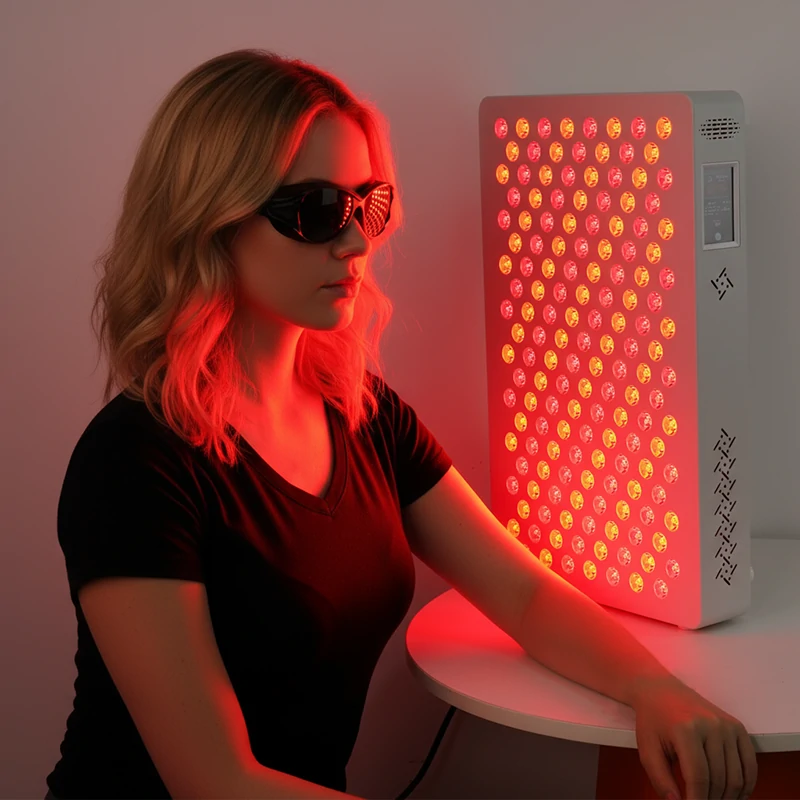
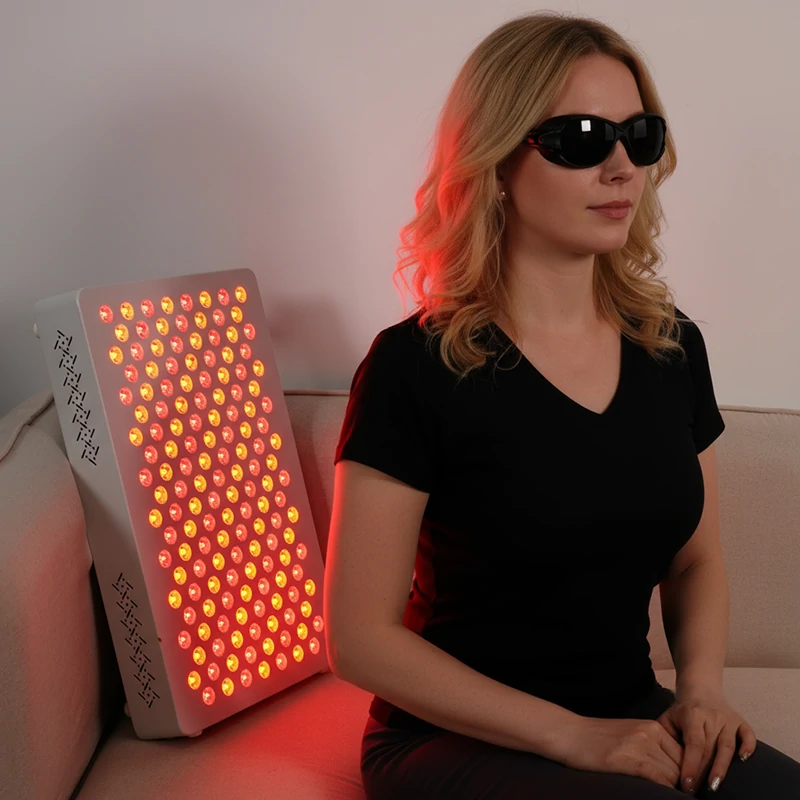
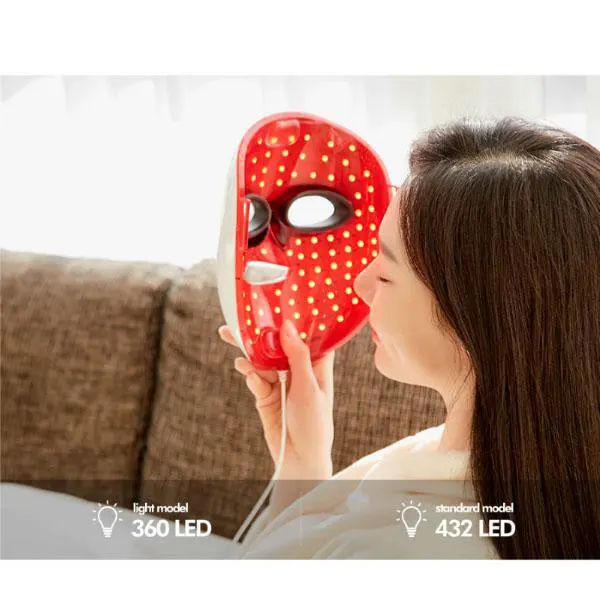
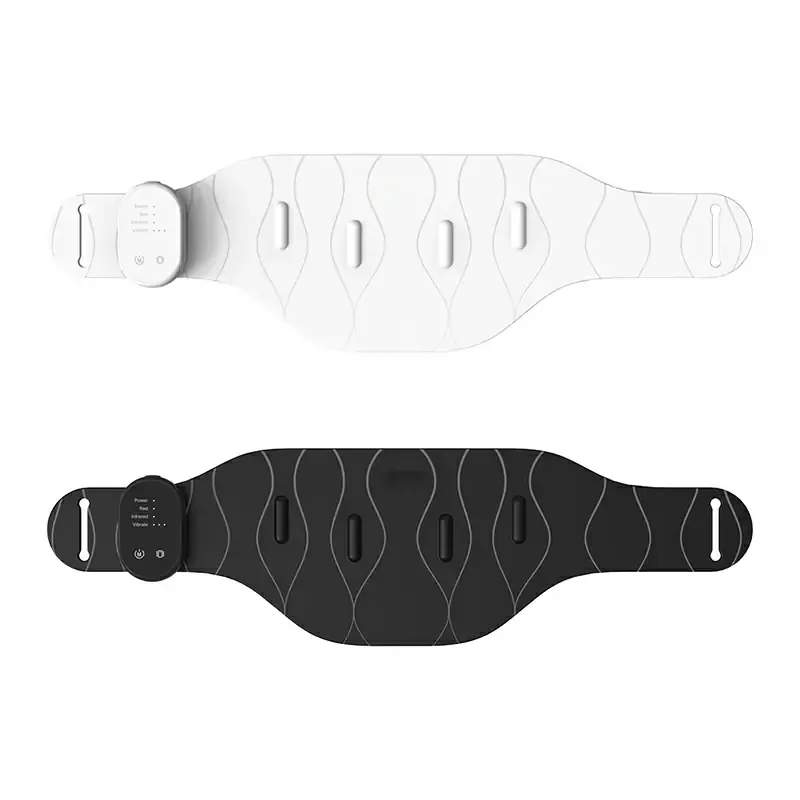
Traditional treatments range from strict crate rest and anti-inflammatory medications to expensive spinal surgery. But there’s growing evidence that **red light therapy** can play a valuable role in IVDD recovery—both as a complementary treatment and as part of long-term management.
In this comprehensive guide, we’ll explore everything you need to know about using red light therapy for dogs with IVDD, from the science behind it to real-world success stories and practical treatment protocols.
## Understanding IVDD in Dogs
### What Is Intervertebral Disc Disease?
The spine is made up of vertebrae (кости) separated by intervertebral discs. These discs act as shock absorbers and allow flexibility in the spine. Each disc has:
– **Nucleus pulposus**: A soft, gel-like center
– **Annulus fibrosus**: A tough, fibrous outer ring
In IVDD, these discs degenerate and can:
1. **Bulge (Hansen Type II)**: The disc slowly protrudes into the spinal canal
2. **Rupture/Herniate (Hansen Type I)**: The disc bursts suddenly, releasing material into the spinal canal
Both scenarios compress the spinal cord, causing inflammation, боль, and nerve dysfunction.
### IVDD Grades: Understanding Severity
Veterinarians classify IVDD into five grades:
| Grade | Symptoms | Prognosis |
|---|---|---|
| Grade 1 | Pain only (crying, hunched back, reluctance to move) | Excellent with conservative treatment |
| Grade 2 | Pain + wobbliness, can still walk | Very good with treatment |
| Grade 3 | Pain + inability to walk (but can move legs) | Good with aggressive treatment |
| Grade 4 | Paralysis with deep pain sensation present | Guarded; may need surgery |
| Grade 5 | Paralysis with NO deep pain sensation | Poor; emergency surgery needed within 24-48 часы |
**Critical:** Grades 4-5 are medical emergencies. Red light therapy is NOT a substitute for emergency veterinary care in severe cases.
### Common Signs of IVDD
Watch for these warning signs:
– **Sudden crying or yelping** when picked up or moving
– **Hunched or arched back**
– **Reluctance to jump, climb stairs, or move**
– **Stiff or wobbly gait** (drunken appearance)
– **Dragging toes** or knuckling over
– **Weakness in hind legs**
– **Incontinence** (unable to control bladder or bowels)
– **Loss of appetite** (due to pain)
– **Shivering or trembling** (pain response)
– **Anxiety or behavioral changes**
### Which Breeds Are Most at Risk?
**High-Risk Breeds:**
– Dachshunds (25% will experience IVDD in their lifetime)
– French Bulldogs
– Beagles
– Corgis (Pembroke and Cardigan)
– Shih Tzus
– Lhasa Apsos
– Pekingese
– Basset Hounds
– Cocker Spaniels
**Why these breeds?** Many are chondrodystrophic—genetically predisposed to early disc degeneration.
### Risk Factors Beyond Breed
– **Age**: Most common in dogs 3-7 years old (Type I) or older dogs (Type II)
– **Obesity**: Extra weight puts stress on the spine
– **Trauma**: Jumping from heights, rough play, accidents
– **Repetitive strain**: Frequent jumping on/off furniture
– **Poor conditioning**: Weak core and back muscles
– **Previous IVDD episodes**: 25-50% recurrence rate without preventive measures
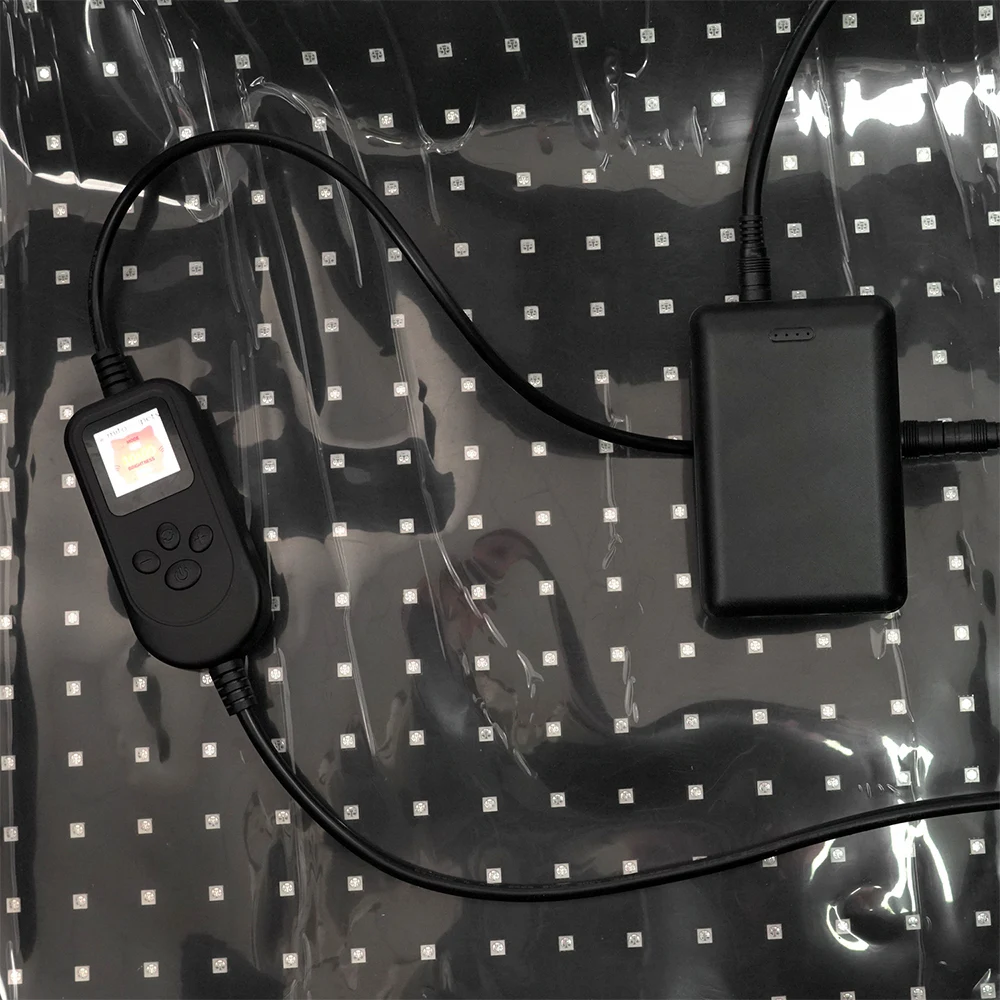
## How Red Light Therapy Works for IVDD
### The Science Behind Photobiomodulation for Spinal Conditions
Терапия красным светом (photobiomodulation or PBM) uses specific wavelengths of light to trigger cellular healing processes. For IVDD, the therapeutic effects target multiple aspects of the condition:
### 1. Reducing Spinal Cord Inflammation
When a disc herniates, it triggers a massive inflammatory response:
– Inflammatory cytokines flood the area (TNF-α, ИЛ-1β, IL-6)
– Swelling compresses the spinal cord further
– Secondary damage occurs from the inflammatory cascade
**Red light therapy modulates this response:**
– Reduces pro-inflammatory cytokines
– Increases anti-inflammatory cytokines (IL-10)
– Decreases edema (swelling) around the spinal cord
– Limits secondary damage from inflammation
### 2. Promoting Nerve Regeneration
Spinal cord compression damages nerve fibers. Red light therapy supports nerve healing:
– **Stimulates axonal growth**: Encourages damaged nerves to regenerate
– **Increases neurotrophic factors**: BDNF, NGF, and GDNF support nerve survival
– **Enhances myelin repair**: Helps restore the protective nerve sheath
– **Reduces neuronal apoptosis**: Prevents further nerve cell death
### 3. Управление болью
IVDD is extremely painful. Red light therapy provides multi-modal pain relief:
– **Reduces nerve sensitivity**: Decreases pain signal transmission
– **Increases endorphins**: Natural pain-relieving chemicals
– **Blocks substance P**: A key pain neurotransmitter
– **Reduces muscle spasms**: Common secondary pain source in IVDD
### 4. Improving Circulation to the Spine
Blood flow is critical for healing:
– Red light stimulates nitric oxide release
– Blood vessels dilate, improving circulation
– More oxygen and nutrients reach damaged tissues
– Metabolic waste and inflammatory mediators are removed more efficiently
### 5. Supporting Disc and Tissue Healing
While discs have limited blood supply, surrounding tissues benefit:
– **Ligament strengthening**: Supports spinal stability
– **Muscle repair**: Reduces spasms and weakness
– **Bone metabolism**: Supports vertebral health
– **Scar tissue modulation**: Prevents excessive fibrosis
## Benefits of Red Light Therapy for Dogs with IVDD
### 1. Accelerated Neurological Recovery
– Faster return of motor function
– Improved coordination and proprioception
– Better long-term neurological outcomes
– Enhanced nerve regeneration
### 2. Significant Pain Reduction
– Reduced need for pain medications (НПВП, opioids, gabapentin)
– Improved comfort during recovery
– Better quality of life during crate rest
– Reduced muscle spasms
### 3. Уменьшение воспаления и отека
– Decreased spinal cord compression from edema
– Limited secondary damage from inflammatory cascade
– Faster resolution of acute symptoms
### 4. Enhanced Tissue Healing
– Better healing of surrounding ligaments and muscles
– Improved spinal stability
– Reduced scar tissue formation
### 5. Support for Conservative Management
For Grade 1-2 IVDD cases managed without surgery:
– Improves success rate of conservative treatment
– Reduces recovery time
– Provides pain relief during strict crate rest
### 6. Post-Surgical Recovery Support
For dogs who undergo IVDD surgery:
– Accelerates return to function
– Reduces post-operative pain
– Supports incision healing
– Complements physical rehabilitation
### 7. Long-Term Management
For dogs with chronic IVDD or high recurrence risk:
– Maintains spinal health
– Reduces flare-up frequency
– Supports overall mobility
– Safe for ongoing use
## When to Use Red Light Therapy for IVDD
### Timing Is Critical
**🚫 ACUTE PHASE (Первый 24-72 Hours)**
– **DO NOT** use red light therapy immediately after injury
– Inflammation is peaking; heat/light may worsen swelling
– Focus on: Emergency vet care, steroids/anti-inflammatories, strict rest
– **Exception**: Some veterinary neurologists use specific low-dose protocols—follow their guidance only
**⚠️ SUBACUTE PHASE (Days 3-14)**
– **CAN BEGIN** red light therapy with veterinary approval
– Inflammation is subsiding; healing phase beginning
– Start with lower intensity, shorter sessions
– Monitor closely for any symptom changes
**✓ CHRONIC/RECOVERY PHASE (Неделя 2+)**
– **IDEAL TIME** for red light therapy
– Active healing and rehabilitation phase
– Can use full treatment protocols
– Combine with physical therapy for best results
**✓ POST-SURGICAL (After incision healing)**
– **EXCELLENT** for supporting recovery
– Begin once incision is closed and vet approves
– Accelerates return to function
– Reduces scar tissue formation
### Red Light Therapy by IVDD Grade
| Grade | Red Light Therapy Role | Timing |
|---|---|---|
| Grade 1 | Supportive treatment | Start day 3-5 with vet approval |
| Grade 2 | Adjunct to conservative management | Start day 5-7 with vet approval |
| Grade 3 | Part of comprehensive rehab protocol | Start week 2+, post-stabilization |
| Grade 4 | Post-surgical or intensive rehab support | After surgery or stabilization |
| Grade 5 | Post-surgical rehabilitation only | After emergency surgery, if deep pain returns |
**Critical Reminder:** Red light therapy is NEVER a substitute for emergency veterinary care in severe IVDD cases.
## Treatment Protocols for IVDD
### Working With Your Veterinarian
Before starting red light therapy:
1. **Get a confirmed IVDD diagnosis** (X-rays, MRI, or CT)
2. **Determine IVDD grade** and treatment plan
3. **Discuss red light therapy** with your vet or veterinary neurologist
4. **Get specific parameters** if they have experience with PBM
5. **Establish baseline** neurological status and pain scores
### General Treatment Parameters for Canine IVDD
**Длины волн:**
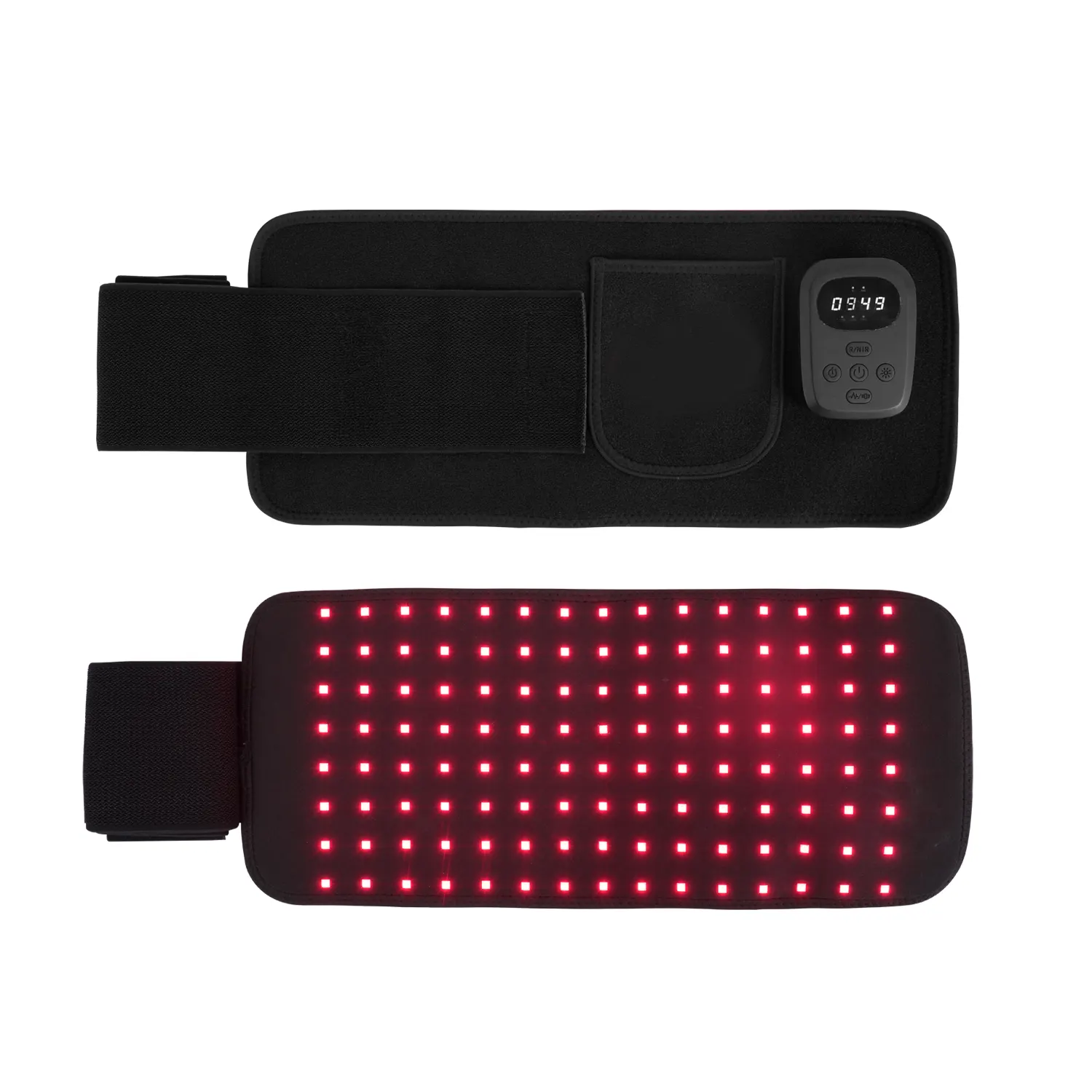
– **660нм (Красный)**: For superficial tissues, incision healing, muscle relaxation
– **850нм (Ближний инфракрасный диапазон)**: For deep penetration to spinal cord and discs
– **Combination**: Most effective for comprehensive treatment
**Плотность мощности:**
– **Small dogs**: 50-100мВт/см²
– **Medium dogs**: 100-150мВт/см²
– **Large dogs**: 150-200мВт/см²
**Energy Density (Dose):**
– **Acute/Subacute**: 2-4 J/cm² per treatment area
– **Chronic/Recovery**: 4-8 J/cm² per treatment area
– **Post-surgical**: 2-4 J/cm² (start low, increase gradually)
**Treatment Duration:**
– **Per area**: 3-8 minutes depending on device power
– **Total session**: 10-20 minutes for multiple spinal segments
**Частота лечения:**
– **Недели 1-2**: Once daily or every other day
– **Недели 3-4**: 3-5 раз в неделю
– **Недели 5-8**: 2-3 раз в неделю
– **Maintenance**: 1-2 раз в неделю (for high-risk dogs)
### Treatment Area Positioning
**For Cervical (Шея) ИВДД:**
– Position dog comfortably in sternal recumbency (lying on chest)
– Target area: Base of skull to shoulder blades
– Treat in 2-3 sections along the neck
– Avoid direct pressure on the neck
**For Thoracic (Mid-Back) ИВДД:**
– Position dog lying on side or standing
– Target area: Shoulder blades to last rib
– Treat in 2-3 sections along the thoracic spine
– Support dog comfortably; avoid spinal twisting
**For Lumbar (Lower Back) ИВДД:**
– Position dog lying on side or standing
– Target area: Last rib to pelvis
– Focus on area of greatest pain/weakness
– Treat both sides of the spine
**For Multiple Affected Areas:**
– Divide treatment into segments
– Allow rest between segments if dog becomes restless
– Prioritize the most severely affected area
### Step-by-Step Treatment Guide
**Шаг 1: Prepare the Environment**
– Choose a quiet, comfortable space
– Use non-slip surface (yoga mat, rug)
– Have treats ready for positive reinforcement
– Ensure dog is calm before starting
**Шаг 2: Position Your Dog**
– Support the spine; avoid twisting or bending
– Use pillows or rolled towels for comfort
– For paralyzed dogs, ensure proper padding
– Keep sessions short if dog is uncomfortable
**Шаг 3: Position the Device**
– Hold panel perpendicular to the spine
– Maintain 6-12 inch distance (or contact for handheld)
– Start at the most affected area
– Move systematically along treatment zones
**Шаг 4: Monitor Your Dog**
– Watch for signs of discomfort
– Stop if dog shows pain or distress
– Keep sessions positive with treats and praise
– Note any changes in symptoms
**Шаг 5: Post-Treatment Care**
– Allow rest after treatment
– Monitor for any symptom changes
– Record treatment details (duration, areas, response)
– Report concerns to your veterinarian
### Sample Treatment Schedule
**Неделя 1-2 (Early Recovery):**
“`
Monday: Treat lumbar spine (8 мин) + thoracic spine (6 мин)
Tuesday: Rest or light treatment if tolerated
Wednesday: Treat lumbar spine (8 мин) + thoracic spine (6 мин)
Thursday: Rest
Friday: Treat lumbar spine (8 мин) + thoracic spine (6 мин)
Saturday: Rest
Sunday: Light treatment (5 min total) if dog is comfortable
“`
**Неделя 3-4 (Active Recovery):**
“`
Monday: Full spine treatment (15 мин)
Tuesday: Focused treatment on affected area (8 мин)
Wednesday: Full spine treatment (15 мин)
Thursday: Rest
Friday: Full spine treatment (15 мин)
Saturday: Focused treatment (8 мин)
Sunday: Rest
“`
**Неделя 5-8 (Rehabilitation Phase):**
“`
Monday: Full spine treatment (15 мин)
Tuesday: Rest
Wednesday: Full spine treatment (15 мин)
Thursday: Rest
Friday: Full spine treatment (15 мин)
Saturday: Rest
Sunday: Rest
“`
**Месяц 3+ (Maintenance for High-Risk Dogs):**
“`
1-2 раз в неделю, 10-15 минут за сеанс
Focus on previously affected areas
Continue indefinitely for dogs with recurrent IVDD
“`
## Combining Red Light Therapy with Other IVDD Treatments
### Conservative Management Protocol
For Grade 1-2 IVDD not requiring surgery:
**1. Терапия красным светом + Strict Crate Rest**
– Crate rest: 4-8 минимум недели
– Терапия красным светом: Provides comfort during confinement
– Prevents muscle atrophy from complete inactivity
– Supports healing without movement stress
**2. Терапия красным светом + Medications**
– **Steroids** (prednisone): Reduce spinal cord inflammation
– **NSAIDs**: Pain and inflammation control
– **Gabapentin**: Nerve pain management
– **Muscle relaxants**: Reduce spasms
– *Red light therapy can help reduce medication needs over time*
**3. Терапия красным светом + Acupuncture**
– Excellent combination for pain management
– Acupuncture: Stimulates healing pathways
– Красный свет: Cellular-level support
– Many veterinary acupuncturists incorporate PBM
**4. Терапия красным светом + Supplements**
– **Omega-3 fatty acids**: Anti-inflammatory support
– **Glucosamine/chondroitin**: Disc and joint health
– **Antioxidants**: Reduce oxidative stress
– **CBD oil**: Additional pain and anxiety support
– *Red light therapy enhances cellular uptake of nutrients*
### Post-Surgical Rehabilitation Protocol
For dogs recovering from IVDD surgery (hemilaminectomy, и т. д.):
**Фаза 1: Immediate Post-Op (Недели 1-2)**
– Фокус: Incision healing, pain control
– Красный свет: Around incision (not directly on sutures initially)
– Частота: Every other day
– Combine with: Pain medications, strict rest
**Фаза 2: Early Rehab (Недели 3-6)**
– Фокус: Return of motor function, muscle strengthening
– Красный свет: Full spine treatment
– Частота: 3-5 раз в неделю
– Combine with: Passive range of motion, assisted walking
**Фаза 3: Active Rehab (Недели 7-12)**
– Фокус: Strengthening, coordination, endurance
– Красный свет: Pre-exercise preparation
– Частота: 2-3 раз в неделю
– Combine with: Physical therapy, hydrotherapy, balance exercises
**Фаза 4: Long-Term Maintenance (Месяц 4+)**
– Фокус: Preventing recurrence, maintaining function
– Красный свет: Maintenance protocol
– Частота: 1-2 раз в неделю
– Combine with: Core strengthening, weight management, activity modification
### Physical Therapy Combinations
Red light therapy works synergistically with physical rehabilitation:
**1. Pre-Treatment Red Light**
– Apply red light BEFORE physical therapy
– Warms tissues and increases circulation
– Reduces pain, allowing better participation
– Prepares muscles and nerves for exercise
**2. Post-Treatment Red Light**
– Apply red light AFTER physical therapy
– Reduces exercise-induced inflammation
– Supports recovery from therapeutic exercise
– Prevents muscle soreness
**3. Specific Combinations:**
| Physical Therapy | Red Light Timing | Benefit |
|---|---|---|
| Passive ROM | Before and after | Reduces resistance, prevents soreness |
| Assisted walking | После | Reduces fatigue, supports recovery |
| Hydrotherapy | После | Enhances circulation, reduces inflammation |
| Balance exercises | До | Improves proprioception, reduces anxiety |
| Massage | До | Enhances tissue pliability, deeper work possible |
| Therapeutic exercise | После | Supports muscle recovery, prevents strain |
## Safety Considerations and Contraindications
### When NOT to Use Red Light Therapy
**Absolute Contraindications:**
– 🚫 **First 24-72 hours after acute injury** (may worsen inflammation)
– 🚫 **Over known or suspected tumors/cancer** (may stimulate cell growth)
– 🚫 **Directly over eyes** (always use eye protection)
– 🚫 **Over active hemorrhage** (may increase bleeding)
– 🚫 **Grade 5 IVDD without surgical intervention** (emergency surgery required first)
**Use with Veterinary Approval:**
– ⚠️ Dogs on photosensitizing medications
– ⚠️ Dogs with seizure disorders (rare light sensitivity)
– ⚠️ Pregnant dogs (insufficient safety data)
– ⚠️ Very young puppies (consult vet first)
– ⚠️ Dogs with thyroid conditions (avoid direct thyroid exposure)
### Safety Best Practices
**Do’s ✓**
– Get veterinary clearance before starting
– Start with shorter sessions and lower intensity
– Monitor dog’s response carefully
– Use protective eyewear for sensitive dogs
– Keep device at proper distance
– Maintain proper spinal positioning
– Document all treatments and responses
– Report any concerns to your vet immediately
**Don’ts ✗**
– Don’t use in hyperacute phase without vet guidance
– Don’t exceed recommended treatment times
– Don’t apply pressure to the spine during treatment
– Don’t twist or manipulate the spine
– Don’t skip veterinary follow-ups
– Don’t discontinue prescribed medications without vet approval
– Don’t expect immediate results (nerve healing takes time)
– Don’t use as a substitute for needed surgery
### Monitoring for Adverse Effects
While red light therapy is very safe, watch for:
– **Increased pain or discomfort** during/after treatment
– **Worsening neurological signs** (increased weakness, paralysis)
– **Behavioral changes** (increased anxiety, aggression)
– **Skin reactions** (покраснение, irritation—rare)
– **Loss of appetite** or other systemic signs
**If any of these occur:**
1. Stop red light therapy immediately
2. Contact your veterinarian
3. Document what you observed
4. Do not resume without veterinary clearance
## What to Expect: Recovery Timeline with Red Light Therapy
### Grade 1-2 ИВДД (Conservative Management)
**Неделя 1:**
– Фокус: Pain control, inflammation reduction
– Красный свет: Beginning (дни 3-5+)
– Expected: Gradual pain reduction, increased comfort
– Milestone: Willingness to move slightly
**Неделя 2-3:**
– Фокус: Early healing, preventing muscle atrophy
– Красный свет: Regular sessions established
– Expected: Улучшенная мобильность, reduced medication needs
– Milestone: Short walks to bathroom, better appetite
**Неделя 4-6:**
– Фокус: Active recovery, beginning rehabilitation
– Красный свет: Supporting rehab exercises
– Expected: Significant improvement in function
– Milestone: Walking independently, reduced pain behaviors
**Неделя 7-12:**
– Фокус: Strengthening, preventing recurrence
– Красный свет: Maintenance frequency
– Expected: Near-normal function for most dogs
– Milestone: Return to modified normal activities
**Месяц 4-6:**
– Фокус: Long-term management
– Красный свет: 1-2x/week maintenance
– Expected: Full recovery or stable chronic management
– Milestone: Cleared for most activities with modifications
### Grade 3-4 ИВДД (With or Without Surgery)
**Неделя 1-2:**
– Фокус: Stabilization, post-surgical healing (if applicable)
– Красный свет: Beginning once stable (vet approval)
– Expected: Pain control, incision healing
– Milestone: Stable condition, pain managed
**Неделя 3-6:**
– Фокус: Neurological recovery, early rehab
– Красный свет: Supporting nerve regeneration
– Expected: Gradual return of motor function
– Milestone: Assisted standing, toe knuckling improvement
**Неделя 7-12:**
– Фокус: Active rehabilitation, strengthening
– Красный свет: Pre/post rehab support
– Expected: Improved ambulation, better coordination
– Milestone: Independent walking (many dogs), improved bladder control
**Месяц 4-12:**
– Фокус: Maximum recovery, adaptation
– Красный свет: Ongoing support
– Expected: Continued gradual improvement
– Milestone: Maximum achievable recovery reached
**Примечание:** Grade 3-4 recovery is highly variable. Some dogs make full recoveries; others have permanent deficits. Red light therapy supports the healing process but cannot guarantee specific outcomes.
### Grade 5 ИВДД (Post-Surgical Only)
**Critical:** Grade 5 ИВДД (no deep pain sensation) requires emergency surgery within 24-48 hours for any chance of recovery. Red light therapy is only appropriate AFTER surgery and only if deep pain sensation returns.
**Хронология:** Highly variable, depends on surgical outcome and individual healing. Red light therapy can support recovery but prognosis is guarded.
## Real Success Stories
### Case Study 1: Daisy, 5-Year-Old Dachshund
**Состояние:** Grade 2 ИВДД (lumbar), acute onset
**Presentation:**
– Sudden crying, hunched back
– Reluctant to move, wobbly gait
– Could still walk but clearly in pain
– MRI confirmed disc herniation at L2-L3
**Протокол лечения:**
– Conservative management (no surgery)
– Strict crate rest: 6 недели
– Medications: Prednisone taper, gabapentin
– Терапия красным светом: Started day 5, daily for 2 недели, then 3x/week
**Progress:**
– **Неделя 1:** Significantly more comfortable, reduced pain vocalization
– **Неделя 2:** Walking more confidently, reduced gabapentin dose
– **Неделя 4:** Nearly normal gait, off prednisone
– **Неделя 6:** Cleared for gradual activity increase
– **Месяц 3:** Back to normal activities with restrictions (no jumping)
**Owner Quote:** *”The red light therapy seemed to really help Daisy comfort-wise during those long crate rest weeks. She’d actually relax during the sessions. By week 3, she was walking so much better than we expected.”*
**Outcome:** Full recovery, maintenance red light therapy 1x/week ongoing
—
### Case Study 2: Max, 7-Year-Old French Bulldog
**Состояние:** Grade 3 ИВДД (thoracolumbar), recurrent episode
**Presentation:**
– Second IVDD episode (first was 18 months prior)
– Unable to walk, dragging hind legs
– Could move legs but couldn’t support weight
– Deep pain sensation present
**Протокол лечения:**
– Owner declined surgery (financial constraints, previous good recovery)
– Aggressive conservative management
– Strict crate rest: 8 недели
– Medications: Steroids, НПВП, gabapentin, muscle relaxants
– Терапия красным светом: Started week 2, daily for 3 недели, then 5x/week
– Physical therapy: Started week 4
**Progress:**
– **Неделя 2:** Beginning red light therapy, minimal voluntary movement
– **Неделя 4:** First assisted standing, toe knuckling improving
– **Неделя 6:** Taking a few steps with support
– **Неделя 8:** Walking independently (wobbly but functional)
– **Месяц 4:** Good mobility, some residual weakness
– **Месяц 6:** Near-normal function, ongoing maintenance therapy
**Owner Quote:** *”We were told Max might never walk again without surgery. We tried everything we could at home, including the red light. It took time—really time—but he kept improving. The red light sessions became our bonding time. He’d actually position himself for treatment.”*
**Outcome:** Functional recovery with mild residual deficits, maintenance red light therapy 2x/week
—
### Case Study 3: Luna, 4-Year-Old Corgi
**Состояние:** Grade 4 ИВДД (cervical), post-surgical
**Presentation:**
– Acute neck pain, then rapid deterioration
– Paralyzed in all four limbs
– Deep pain sensation present
– Emergency hemilaminectomy surgery within 24 часы
**Протокол лечения:**
– Surgery: Successful decompression
– Post-op care: Hospitalization 5 дни
– Medications: Pain management, anti-inflammatories
– Терапия красным светом: Started week 2 (after incision healing)
– Physical therapy: Started week 3
**Progress:**
– **Неделя 2:** Beginning red light therapy, minimal movement
– **Неделя 4:** Standing with assistance, eating well
– **Неделя 6:** Walking with support cart
– **Неделя 8:** Independent steps, improving coordination
– **Месяц 4:** Walking independently, some ataxia
– **Месяц 6:** Excellent recovery, minor gait abnormalities only
**Owner Quote:** *”After the surgery, we were desperate to give Luna every advantage. Our neurologist suggested red light therapy as part of rehab. We treated her every day for weeks. I truly believe it accelerated her recovery. She beat the odds.”*
**Outcome:** Excellent functional recovery, maintenance red light therapy 1x/week
—
### Case Study 4: Charlie, 6-Year-Old Beagle
**Состояние:** Chronic IVDD management, multiple episodes
**Presentation:**
– Three IVDD episodes over 2 years (all Grade 1-2)
– Conservative management each time
– Chronic back pain between episodes
– High risk for recurrence
**Протокол лечения:**
– Between episodes: Ongoing red light therapy 2x/week
– During flare-ups: Increased to daily treatment
– Weight management: Reduced to ideal body condition
– Activity modification: Ramps, no jumping, harness instead of collar
– Supplements: Omega-3, glucosamine, CBD
**Progress:**
– **Year 1:** Two episodes, both resolved with conservative care
– **Year 2:** One mild episode, quick recovery
– **Year 3:** No episodes, chronic pain resolved
– **Ongoing:** Maintenance protocol continues
**Owner Quote:** *”We started red light therapy as prevention after Charlie’s second episode. He’s had fewer flare-ups, and when they happen, they’re milder and resolve faster. It’s become part of our routine—Charlie actually loves his ‘light time.'”*
**Outcome:** Reduced episode frequency and severity, improved quality of life
## Red Light Therapy vs. Other IVDD Treatments
### Treatment Comparison
| Treatment | Effectiveness | Cost | Invasiveness | Best For |
|---|---|---|---|---|
| Терапия красным светом | Moderate-High (adjunct) | $300-800 (device) | Non-invasive | All grades (adjunct), обслуживание |
| Crate Rest | Moderate (Grade 1-2) | Низкий | Non-invasive | Grade 1-2 conservative management |
| Steroids/NSAIDs | Высокий (symptom control) | $200-600/year | Oral medication | Acute pain and inflammation |
| Surgery | Высокий (Grade 3-5) | $3,000-8,000+ | Invasive | Grade 3-5, failed conservative |
| Physical Therapy | Высокий (recovery support) | $500-2,000 | Non-invasive | Post-acute rehabilitation |
| Acupuncture | Moderate-High | $300-800/course | Minimally invasive | Pain management, adjunct |
| CBD/Supplements | Low-Moderate | $300-600/year | Oral | Chronic management, adjunct |
### Where Red Light Therapy Fits
**Strengths:**
– ✅ Non-invasive and safe
– ✅ Can be done at home
– ✅ No drug interactions
– ✅ Supports multiple healing mechanisms
– ✅ Cost-effective long-term
– ✅ Works well with other treatments
– ✅ Safe for ongoing maintenance
**Limitations:**
– ❌ Not a standalone treatment for severe IVDD
– ❌ Cannot replace surgery when indicated
– ❌ Requires consistency and commitment
– ❌ Results take time (nerve healing is slow)
– ❌ Initial device investment required
### The Multimodal Approach
Best outcomes come from combining treatments:
**Grade 1-2 ИВДД:**
“`
Crate Rest + Medications + Терапия красным светом + Supplements
↓
Improved comfort, faster recovery, reduced recurrence risk
“`
**Grade 3-4 ИВДД (Surgical):**
“`
Surgery + Post-Op Care + Терапия красным светом + Physical Rehabilitation
↓
Accelerated recovery, better functional outcomes
“`
**Chronic/Recurrent IVDD:**
“`
Weight Management + Activity Modification + Терапия красным светом (обслуживание) + Supplements
↓
Reduced episode frequency, better quality of life
“`
## Choosing the Right Red Light Therapy Device for IVDD
### Key Specifications for IVDD Treatment
**1. Wavelength Requirements**
– **Essential:** 660нм (красный) for superficial tissues
– **Essential:** 850нм (ближний инфракрасный) for deep spinal penetration
– **Optimal:** Both wavelengths in combination
**2. Power Output**
– **Minimum:** 100W for effective spinal treatment
– **Recommended:** 150-300W for faster, deeper treatment
– **Профессиональный:** 500W+ for veterinary clinic-level power
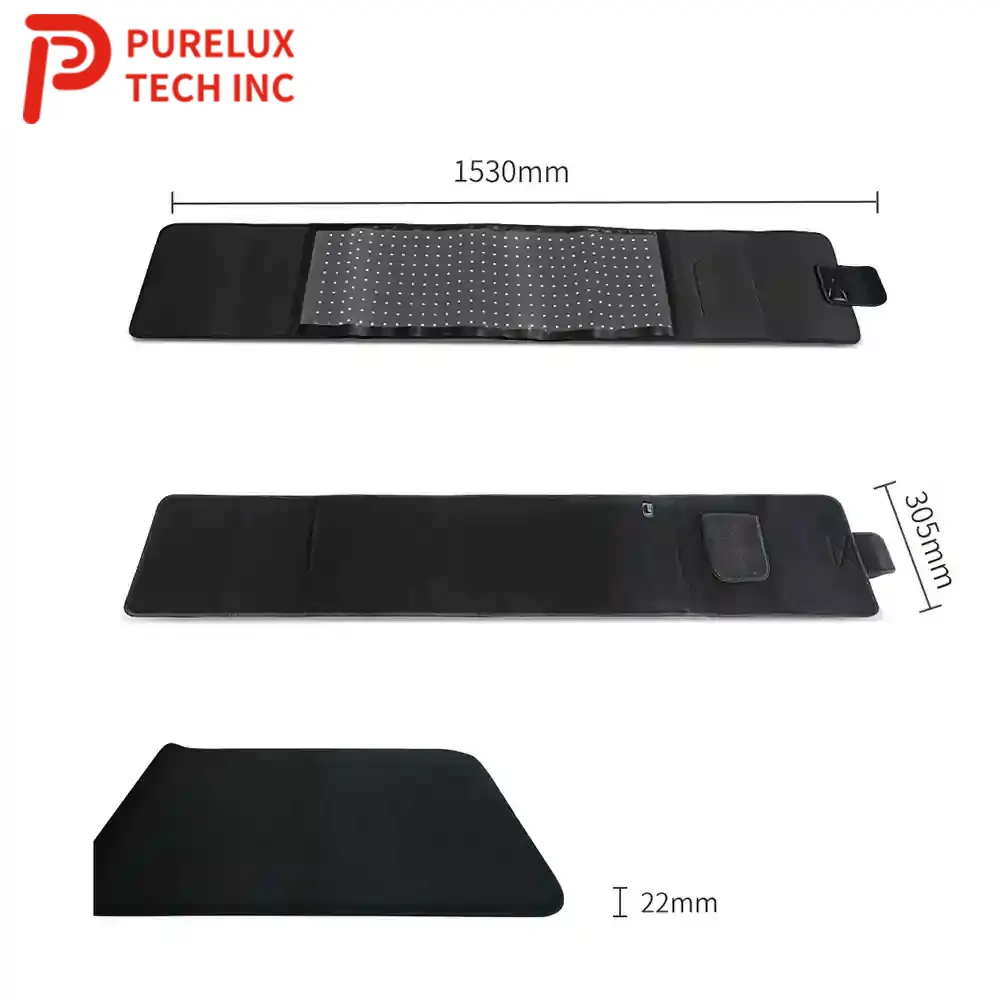
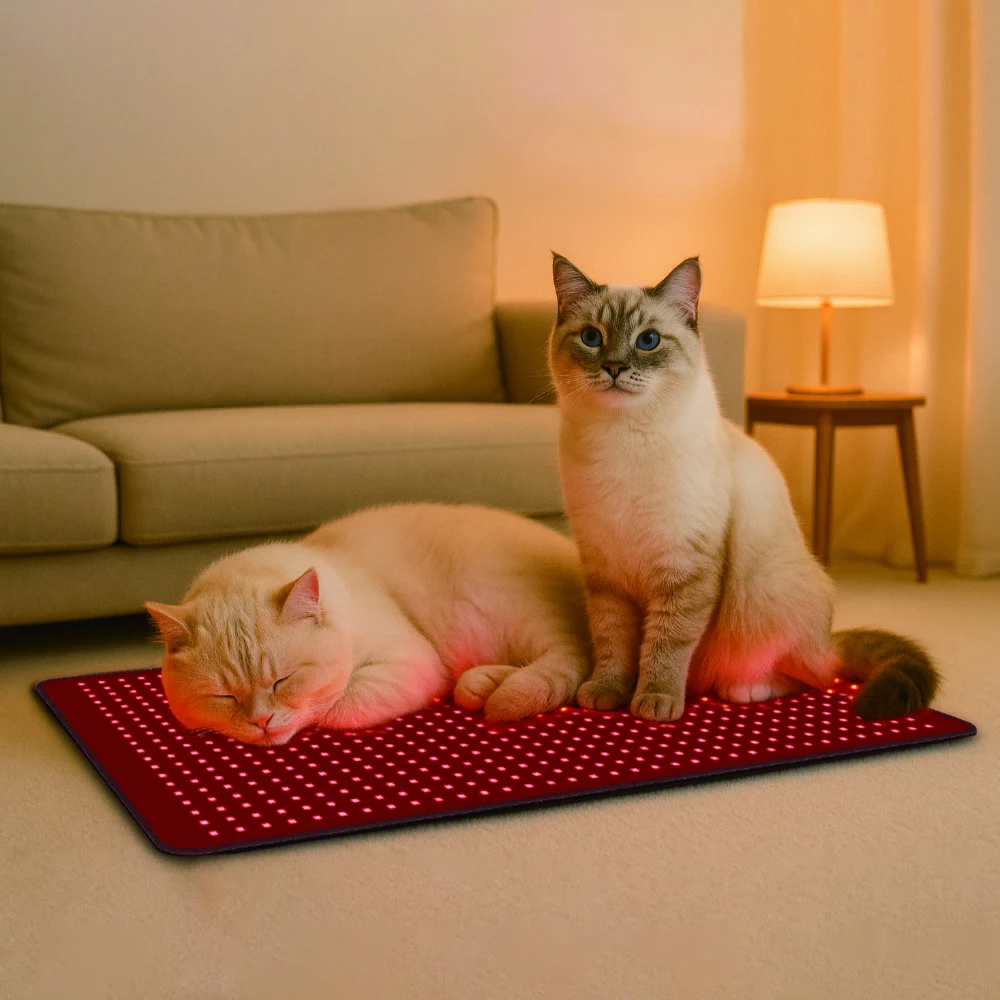
**3. Treatment Area Coverage**
– **Small dogs:** Panel at least 6″x4″ or handheld with good coverage
– **Medium dogs:** Panel at least 12″x6″
– **Большие собаки:** Panel 18″x12″ or larger, or multiple smaller panels
**4. Penetration Depth**
– Ближний инфракрасный диапазон (850нм) should penetrate 2-4 дюймы
– Critical for reaching spinal cord in larger dogs
– Verify manufacturer specifications
**5. Timer and Controls**
– Built-in timer essential for consistent dosing
– Adjustable intensity (helpful for acute vs. chronic)
– Clear display for treatment tracking
**6. Portability and Positioning**
– Lightweight enough to position around dog
– Stand or mounting options for hands-free treatment
– Flexible for different treatment positions
### Device Recommendations by Dog Size
**Маленькие Собаки (<20 lbs) – Dachshunds, Toy Breeds:**
– Власть: 50-100W minimum
– Panel size: 6″x4″ or handheld
– Treatment time: 3-5 minutes per area
– Price range: $200-400
**Средние собаки (20-50 lbs) – Beagles, Corgis, French Bulldogs:**
– Власть: 100-200W minimum
– Panel size: 12″x6″ recommended
– Treatment time: 5-8 minutes per area
– Price range: $400-700
**Большие собаки (50+ lbs) – Labs, Немецкие овчарки:**
– Власть: 200W+ recommended
– Panel size: 18″x12″ or larger
– Treatment time: 8-12 minutes per area
– Price range: $700-1,500+
### Features Specifically Important for IVDD
**1. Глубокое проникновение**
– Spinal cord is deep; near-infrared is critical
– Look for verified 850nm output
– Higher power = better deep tissue penetration
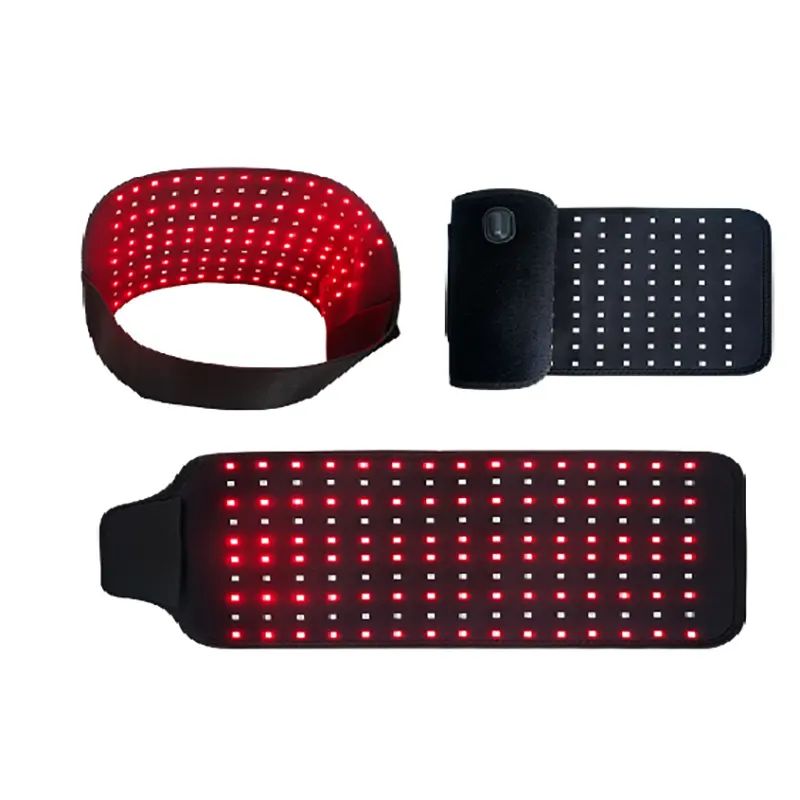
**2. Even Light Distribution**
– Spine is long; even coverage prevents gaps
– Multiple LEDs across panel surface
– Нет “горячие точки” or uneven treatment
**3. Heat Management**
– Treatment sessions are 10-20 минуты
– Device shouldn’t overheat
– Active cooling or efficient heat dissipation
**4. Durability**
– Long-term condition = long-term device use
– Quality construction
– Good warranty (2+ years ideal)
**5. Veterinary-Grade Options**
– Some devices are designed for veterinary use
– Higher power, better specifications
– More expensive but potentially more effective
### Red Flags to Avoid
– ❌ No wavelength specifications listed
– ❌ Only visible red light (no near-infrared)
– ❌ Extremely cheap devices (<$150)
– ❌ No timer function
– ❌ Exaggerated claims (“cures IVDD”)
– ❌ No warranty or customer support
– ❌ Poor or no reviews
– ❌ No clear treatment guidelines
### Cost Considerations
**Initial Investment:**
– Quality device: $400-800 (typical for pet owners)
– Professional device: $1,000-2,000+
**Value Comparison:**
– One physical therapy session: $80-150
– One acupuncture session: $70-120
– Device pays for itself in 5-10 home treatments
**Long-Term Value:**
– Device lasts 5-10+ years
– Unlimited treatments
– Especially valuable for recurrent IVDD or multi-pet households
## Preventing IVDD Recurrence
### Long-Term Red Light Therapy Protocol
For dogs with previous IVDD episodes:
**Maintenance Schedule:**
– **Частота:** 1-2 times per week indefinitely
– **Продолжительность:** 10-15 минут за сеанс
– **Фокус:** Previously affected spinal areas
– **Цель:** Maintain tissue health, уменьшить воспаление, support disc nutrition
**Benefits of Maintenance Therapy:**
– Reduced inflammation in spinal tissues
– Better circulation to discs and surrounding structures
– Stronger supporting muscles and ligaments
– Earlier detection of problem areas (dog’s response changes)
### Comprehensive IVDD Prevention Strategy
**1. Weight Management**
– Keep dog at ideal body condition
– Extra weight = extra spinal stress
– Red light therapy supports metabolism and muscle tone
**2. Activity Modification**
– No jumping on/off furniture (use ramps)
– No rough play or high-impact activities
– Use harness instead of neck collar
– Controlled leash walks vs. free running
**3. Core Strengthening**
– Regular, controlled exercise
– Balance and proprioception work
– Swimming or hydrotherapy (excellent low-impact exercise)
– Red light therapy before/after exercise
**4. Spinal Health Supplements**
– Omega-3 fatty acids (anti-inflammatory)
– Glucosamine/chondroitin/MSM (disc support)
– Antioxidants (уменьшить окислительный стресс)
– CBD oil (inflammation and pain modulation)
**5. Regular Veterinary Monitoring**
– Annual wellness exams
– Immediate attention to any back pain signs
– Early intervention for flare-ups
– Ongoing red light therapy as preventive measure
**6. Environmental Modifications**
– Ramps for furniture and cars
– Non-slip flooring (rugs, yoga mats)
– Orthopedic bedding
– Elevated food/water bowls (reduce neck strain)
## Часто задаваемые вопросы
### вопрос: Can red light therapy cure IVDD?
**А:** Нет. IVDD is a structural problem with the spinal discs. Red light therapy cannot “fix” a herniated disc. Однако, it can significantly support healing, уменьшить воспаление, manage pain, and improve neurological recovery. It’s a valuable adjunct treatment, not a cure.
### вопрос: How soon after an IVDD episode can I start red light therapy?
**А:** Generally wait 3-5 days minimum after acute injury, and only with veterinary approval. In the first 24-72 часы, inflammation is peaking, and adding light/heat therapy could potentially worsen swelling. Always follow your veterinarian’s specific guidance.
### вопрос: Can I use red light therapy instead of surgery for my dog’s IVDD?
**А:** This depends entirely on the IVDD grade and your dog’s specific condition. For Grade 1-2, conservative management (including red light therapy) is often successful. For Grade 3-5, surgery is frequently necessary for the best outcome. **Never delay or refuse recommended surgery in favor of red light therapy alone.** Discuss all options with your veterinary neurologist.
### вопрос: Will red light therapy help if my dog is paralyzed from IVDD?
**А:** Red light therapy can support neurological recovery in paralyzed dogs, particularly after surgery. It may help promote nerve regeneration and reduce inflammation. Однако, it cannot guarantee recovery, and prognosis depends on many factors including IVDD grade, time to treatment, and whether deep pain sensation is present. Work closely with your veterinary team.
### вопрос: How long do I need to continue red light therapy for IVDD?
**А:** Acute phase: Daily or every other day for 2-4 недели. Recovery phase: 3-5 times per week for 4-8 недели. Обслуживание: 1-2 times per week indefinitely for dogs at high risk of recurrence. Many owners continue maintenance therapy long-term for preventive benefits.
### вопрос: Can I do red light therapy at home, or does it need to be done at the vet?
**А:** Once your dog is stable and you’ve been trained on proper technique, home treatment is very feasible and often preferred (less stress for the dog, more consistent treatment). Initial sessions may be done at the vet or rehabilitation facility to establish proper protocol.
### вопрос: What if my dog won’t stay still during treatment?
**А:** Most dogs find red light therapy calming. Tips:
– Treat during rest time
– Use high-value treats
– Start with very short sessions
– Have someone help position and comfort your dog
– Try treating while dog is sleeping
– For paralyzed dogs, ensure comfortable padding and support
### вопрос: Can red light therapy make IVDD worse?
**А:** When used appropriately (correct timing, proper parameters, veterinary approval), red light therapy should not worsen IVDD. Однако, using it too early in the acute phase or with incorrect parameters could potentially increase inflammation. Always follow veterinary guidance.
### вопрос: Is red light therapy safe for dogs with spinal implants from surgery?
**А:** Да, red light therapy is safe around surgical implants. The light doesn’t interact with metal implants. Однако, wait until the incision is fully healed before treating directly over the surgical site.
### вопрос: How do I know if red light therapy is working for my dog?
**А:** Искать:
– Reduced pain behaviors (less vocalization, more comfortable)
– Improved mobility and willingness to move
– Better appetite and mood
– Improved neurological function (better coordination, stronger legs)
– Reduced medication needs (with vet approval)
– Track progress with videos and notes
Improvement may be gradual—nerve healing takes weeks to months.
### вопрос: Can I use a human red light device on my dog with IVDD?
**А:** Да, as long as it has appropriate wavelengths (660нм + 850нм) and adequate power. The key is proper specifications, not whether it’s marketed for pets or humans. Однако, ensure the device is safe and from a reputable manufacturer.
### вопрос: What’s the difference between red light therapy and laser therapy for IVDD?
**А:** Both use light for therapeutic effects. Key differences:
– **Терапия красным светом (LED):** Broader treatment area, less expensive, suitable for home use
– **Laser therapy:** More focused, higher power density, typically clinic-based
– Both can be effective; red light therapy is more practical for ongoing home treatment
### вопрос: Should I continue red light therapy if my dog seems fully recovered?
**А:** For dogs with previous IVDD, ongoing maintenance therapy (1-2x/week) is often recommended to reduce recurrence risk. IVDD has a 25-50% recurrence rate without preventive measures. Discuss long-term protocol with your veterinarian.
## Заключение: A Valuable Tool in IVDD Management
IVDD is a challenging, often frightening diagnosis for dog owners. The road to recovery can be long, expensive, and emotionally taxing. But with proper veterinary care and supportive therapies like red light therapy, many dogs make remarkable recoveries.
**Red light therapy is not a miracle cure for IVDD.** It cannot replace emergency surgery when surgery is needed, and it cannot reverse structural damage to spinal discs. But what it CAN do is:
✅ Reduce inflammation and pain
✅ Support nerve regeneration
✅ Accelerate recovery timelines
✅ Improve comfort during crate rest
✅ Enhance rehabilitation outcomes
✅ Reduce recurrence risk with maintenance use
✅ Provide a safe, drug-free adjunct treatment
**The evidence is growing:** Veterinary research and clinical experience increasingly support red light therapy as a valuable component of comprehensive IVDD management.
**Your action plan:**
1. **Seek immediate veterinary care** for any suspected IVDD symptoms
2. **Follow your veterinarian’s treatment recommendations** (surgery vs. conservative)
3. **Discuss red light therapy** as part of your dog’s treatment plan
4. **Choose a quality device** with appropriate specifications
5. **Commit to consistent treatment** following proper protocols
6. **Track your dog’s progress** and communicate with your vet
7. **Continue maintenance therapy** to reduce recurrence risk
Every dog’s IVDD journey is unique. Some make full recoveries; others have lasting deficits. But with love, dedication, proper veterinary care, and supportive therapies like red light therapy, you can give your dog the best possible chance at recovery and quality of life.
—
**Supporting your dog through IVDD?** PureLux Tech offers professional-grade red light therapy devices suitable for spinal conditions. Our team can help you select the right device and provide treatment guidance in coordination with your veterinarian.
*Because every step your dog takes is a victory worth celebrating.*
—
## Appendix: Quick Reference Guide
### IVDD Emergency Signs – Go to Vet Immediately!
– Sudden paralysis (can’t walk)
– Loss of bladder/bowel control
– No response to toe pinch (no deep pain)
– Severe, unrelenting pain
– Rapidly worsening symptoms
### Red Light Therapy Quick Start
– **When to start:** Day 3-5 post-injury (with vet approval)
– **Частота:** Daily for 2 недели, then taper
– **Продолжительность:** 10-20 минут за сеанс
– **Длины волн:** 660нм + 850нм
– **Расстояние:** 6-12 inches from spine
### Maintenance Protocol (Post-Recovery)
– **Частота:** 1-2 раз в неделю
– **Продолжительность:** 10-15 минуты
– **Фокус:** Previously affected areas
– **Continue:** Indefinitely for high-risk dogs
### Терапия красным светом + IVDD Grade Summary
| Grade | Red Light Role | Start Timing |
|---|---|---|
| 1 | Supportive adjunct | Day 3-5 |
| 2 | Supportive adjunct | Day 5-7 |
| 3 | Rehab support | Неделя 2+ |
| 4 | Post-surgical rehab | Post-op week 2+ |
| 5 | Post-surgical only | If deep pain returns |
*Отказ от ответственности: This article is for informational purposes only and does not constitute veterinary medical advice. Always consult with a qualified veterinarian for diagnosis and treatment of IVDD. Red light therapy should be used as part of a comprehensive treatment plan under veterinary supervision.*