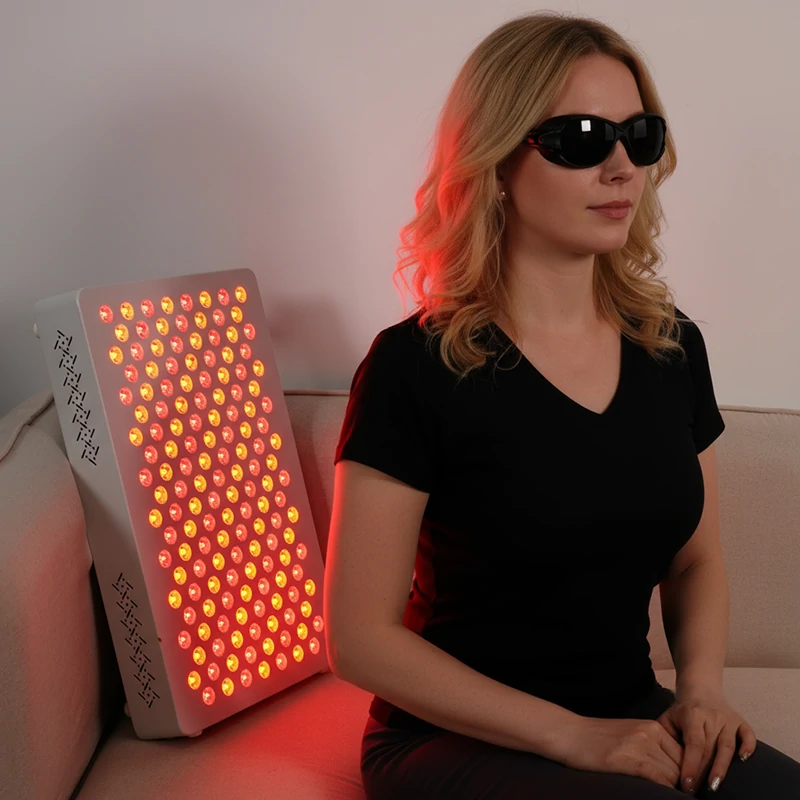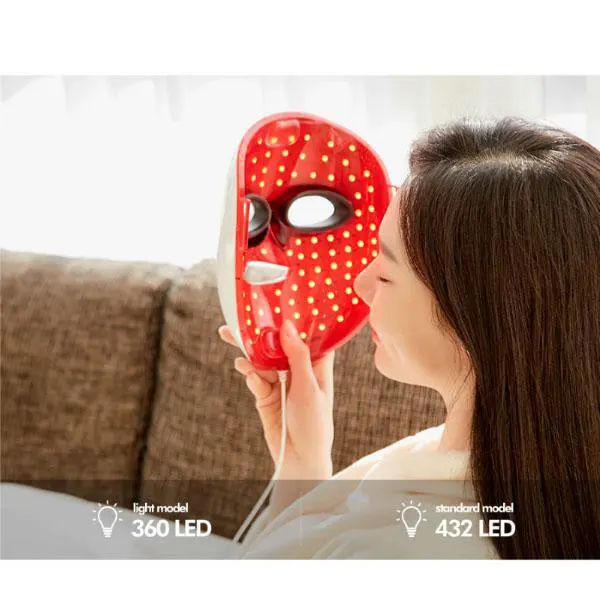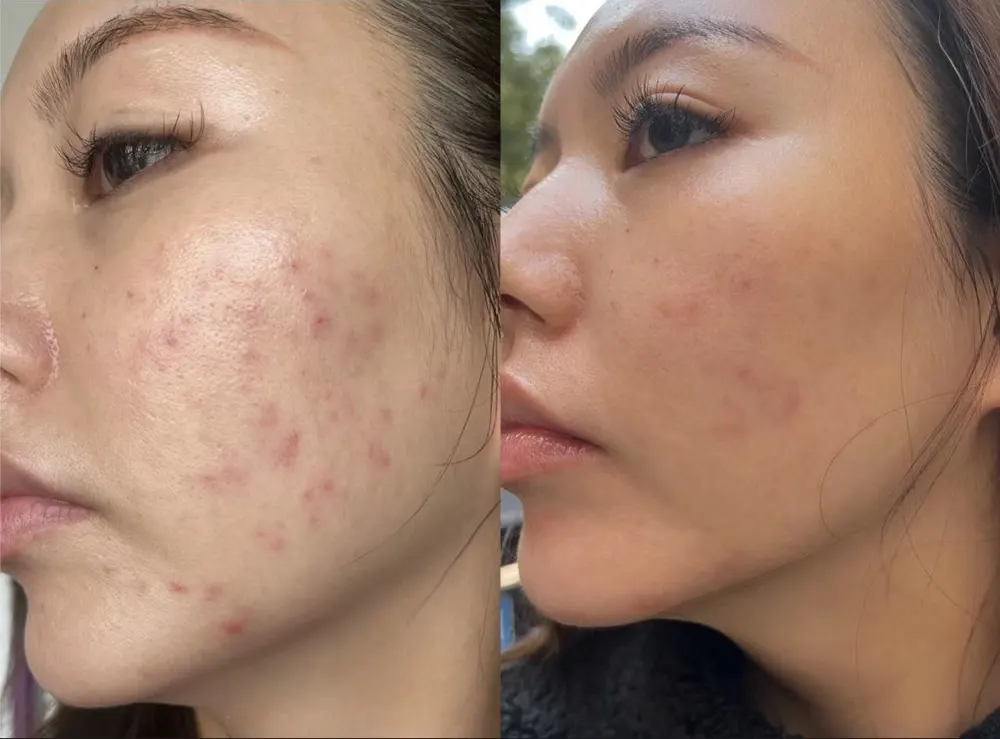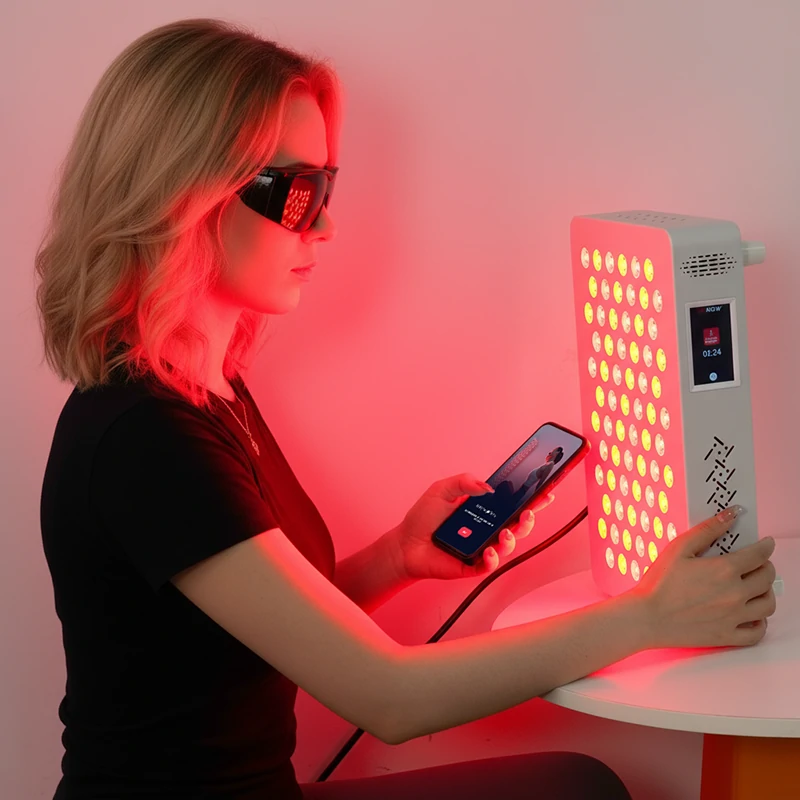
When comparing red light therapy masks, the key differences usually come down to the specific light wavelengths used, the physical design, and the primary skin concerns they target. While there are many masks on the market, Omnilux is a frequently referenced brand, often used as a benchmark for comparison. Below is a breakdown of how Omnilux stacks up against other popular masks, incorporating general information about red light therapy masks to help you make an informed choice.
Key Technology Comparison
| Feature | Omnilux Mask | G13 LED Mask | G15 LED Mask | G10 LED Mask |
|---|---|---|---|---|
| Wavelengths | 633nm + 830nm | Multi-wavelength therapy | Multi-spectrum LED therapy | 590/630/830/850nm |
| LED Count | 132 LEDs | High-density LED array | Professional LED distribution | 128 LEDs |
| Mask Type | Flexible silicone | Flexible silicone | Ergonomic silicone design | Foldable silicone |
| Control | Controller unit | Remote controller | Smart control system | Remote with LED display |
| Battery | Rechargeable | Rechargeable | Rechargeable | 3000mAh battery |
| Treatment Focus | Anti-aging | Anti-aging + skin repair | Anti-aging + skin rejuvenation | Multi-layer skin therapy |
| Target Market | Premium retail | Private label brands | Professional skincare | OEM / distributor brands |
1. Omnilux: A Well-Known Premium Mask
Omnilux masks are popular because they combine:
-
633nm red light
-
830nm near-infrared light
These wavelengths help:
-
stimulate collagen production
-
improve skin elasticity
-
reduce fine lines
The mask uses 132 LEDs, providing stable full-face illumination.
However, Omnilux devices are primarily positioned in the premium consumer market, with prices often reaching $395–$450 per unit.
For distributors and skincare brands looking to build their own product lines, this price level can make large-scale distribution challenging.
2. G13 LED Light Therapy Mask — Balanced Performance
The G13 LED mask is designed for brands seeking clinical-level LED therapy with flexible OEM options.
Key advantages include:
-
Multi-wavelength LED system for deeper skin stimulation
-
High-density LED layout for consistent facial coverage
-
Soft food-grade silicone structure for improved comfort
-
Remote-controlled operation
Compared with Omnilux, G13 offers greater customization potential for private labeling, making it attractive for skincare brands building their own LED device lines.
3. G15 LED Therapy Mask — Professional-Level Design
The G15 LED mask focuses on professional-grade facial light therapy.
Key strengths include:
-
Optimized LED distribution across facial zones
-
Ergonomic silicone structure
-
multi-spectrum LED therapy
-
clinic-style treatment performance
Because of its balanced light output and facial coverage, the G15 mask is commonly used by:
-
beauty clinics
-
med-spa distributors
-
skincare device brands
Compared with Omnilux, it often provides greater design flexibility for OEM projects.
4. G10 LED Mask — Versatile Multi-Wavelength Therapy
Another strong alternative is the G10 LED Light Therapy Mask, designed with a four-wavelength system.
G10 Key Specifications
| Feature | Specification |
|---|---|
| Wavelengths | 590nm / 630nm / 830nm / 850nm |
| LED Count | 128 dual-chip LEDs |
| Material | Food-grade silicone |
| Battery | 3000mAh rechargeable |
| Control | Remote with LED display |
| Circuit Board | Flexible FPC board |
This combination allows the mask to target multiple skin layers simultaneously, supporting:
-
collagen stimulation
-
skin repair
-
anti-aging treatments
-
overall skin rejuvenation
Compared with Omnilux’s two-wavelength system, G10 provides expanded spectrum therapy for broader skincare applications.
Why Many Brands Look for Omnilux Alternatives
While Omnilux is well known, many skincare brands and distributors look for alternative masks because they want:
1. OEM / Private Label Flexibility
Manufacturers like those behind G10, G13, and G15 often support:
-
custom branding
-
packaging design
-
firmware customization
2. Broader Wavelength Options
Some masks offer three or four therapeutic wavelengths, expanding treatment functions.
3. Competitive Wholesale Pricing
Alternative masks can provide better margins for distributors and e-commerce brands.
4. Advanced Hardware
Newer LED masks sometimes include:
-
larger batteries
-
remote displays
-
improved facial ergonomics
Frequently Asked Questions (FAQs)
Q:Does red light therapy work?
A:Science says yes. Research shows red light therapy can help to improve the complexion and texture of the skin, improve signs of aging (firmness, elasticity, skin density), help stimulate skin rejuvenation, and help treat conditions like acne and alopecia.
It can even help inflammation, pain, and muscle recovery. Beauty benefits aside, therapy devices with a near-infrared light wavelength can support injury healing, reduce inflammation. It may also improve joint stiffness, muscle recovery, and chronic pain, Dr. Maccarone says.
Q:How often do you have to use red light therapy?
A:This is not a one-and-done treatment. When using a red-light device at home, you’ll need to use it regularly. The amount of time needed varies, so follow the directions that come with the device.
Keep in mind that it takes time to see the results and not everyone sees them.
When treating signs of skin aging or hereditary hair loss, either in a dermatologist’s office or at home, you’ll need follow-up treatments. This is necessary because skin continues to age, and we continue to lose hair.
Q:Is red light therapy safe?
A:In the short-term, it appears to be safe. Unlike ultraviolet (UV) light, which can cause skin cancer, research hasn’t found that red light can cause any type of cancer.
The most common side effects are mild. Some people develop temporary mild pain or irritated skin from red light therapy.
As for safety, you’ll see “FDA-cleared” on many red-light devices that you can buy. This means that the FDA considers that device to pose a low risk to the public.
Keep in mind that FDA cleared doesn’t tell you anything about how effective the device is. It means the device is considered safe.
When shopping for a red-light device, you may see a term like “FDA approved” or “FDA certified.” While these terms sound impressive, they have no meaning when used to describe a medical device. The FDA clears devices. It doesn’t approve or certify them.
Although red-light devices are considered safe, we don’t know the long-term effects on the skin or hair. More research is needed to find out.