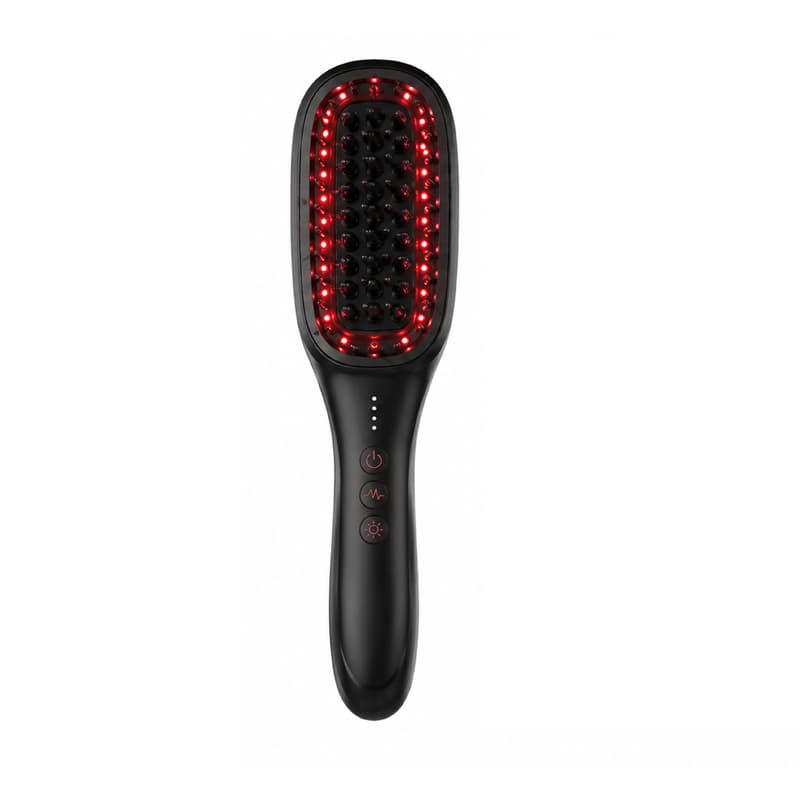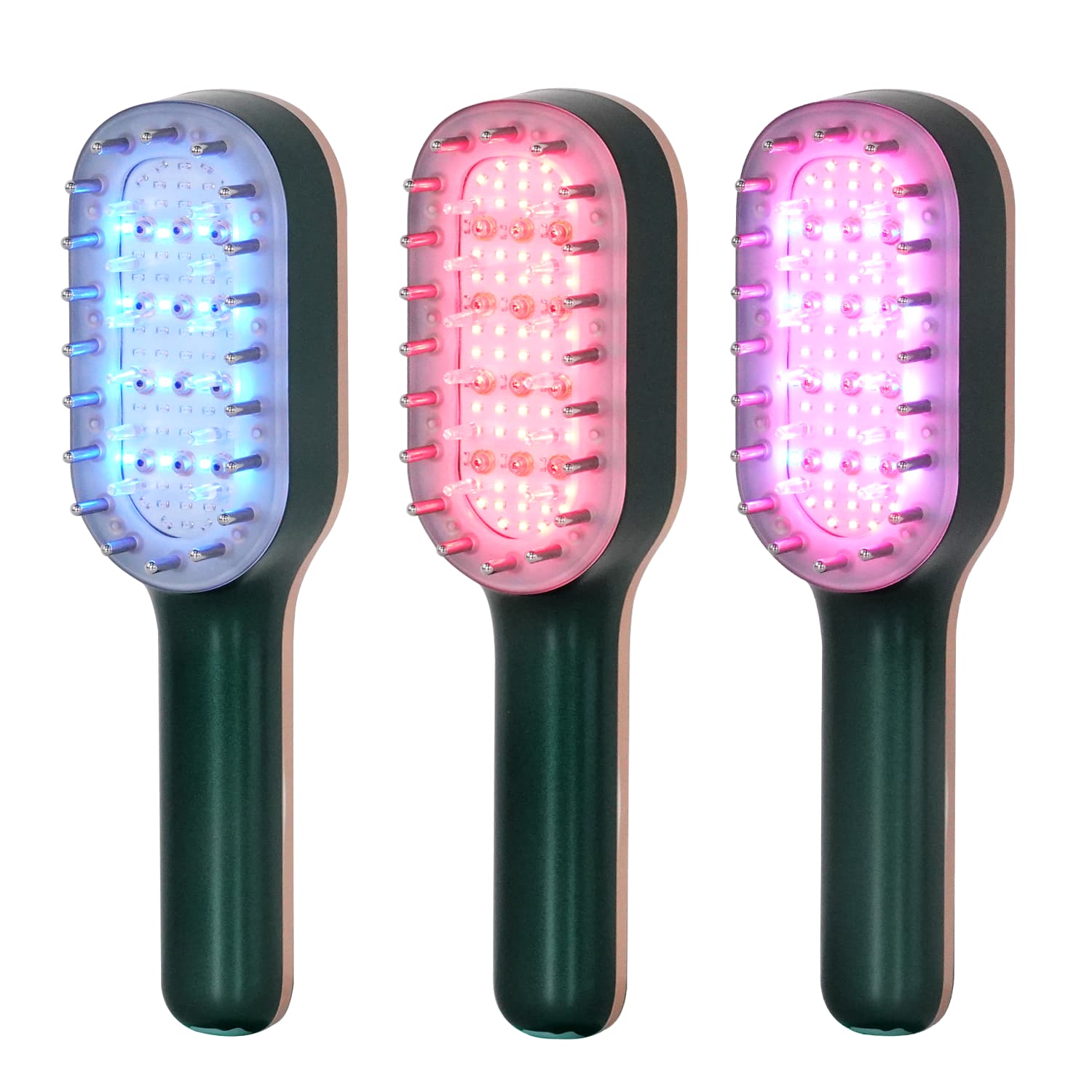
What exactly is happening when you illuminate the cells with the Photonic Health Standard Light, Pro Gen II, or Multi-Light? This is a concept that is applied to the treatment and management of any type of imbalance, injury, disease or stress that animals may incur. When applied correctly, it can accelerate the healing process by 60-80%, provide pain relief and provide comfort to your animals.
Each Photonic Health light has a wavelength of 660nm. This is the strength of the light to penetrate skin and reach the deeper tissue layers. When applied, it illuminates the damaged tissues, stimulating cells. The cells in an animal’s body, as well as stem cells, have functioning mitochondria. Mitochondria is the powerhouse of the cell as it is responsible for the production of energy, or ATP (adenosine triphosphate). Inside the mitochondria, there is an enzyme called cytochrome c oxidase. This is a chromophore (meaning light absorbing molecule). When cytochrome c oxidase is exposed to light, it releases nitric oxide. Nitric oxide is a chemical that has a general effect of vasodilation (opening of the blood vessels). By increasing blood flow to any given area of injury or imbalance, the body can heal itself. This can also benefit the absorption and circulation of nutrients, supplements and medications throughout the body.
Another chemical released by the cell when illuminated with Photonic Health red light is ROS (Reactive Oxygen Species). These are chemicals released by a cell to signal the body that the cell is under oxidative stress and needs help from the immune system, as well as providing a chemical buffer around healthy cells to protect them from damage.
By supporting basic physiological processes of normal cell cycling, and their circulation throughout the body, Photonic Health red light can have an effect on a number of specific conditions. It can help maintain normal body processes and cellular turnover so your animal stays healthy and vibrant with regular use. It can help maintain the health and appearance of the skin & fur by increasing the turnover of cells on areas that have been damaged, such as sun damage or scarring. It can help calm nerves and decrease pain by increasing blood flow to the nerves so they can heal. The carotid artery and femoral artery are access points to the blood to illuminate the blood cells and prevent platelet aggregation and buildup of plaque.
Application Logic in Veterinary Medicine
The therapeutic effects you listed are direct results of the above mechanism. The technology is species-agnostic because the target (mitochondria in mammalian cells) is universal.
-
Accelerated Healing (60-80%): Enhanced ATP and growth factors directly speed up tissue regeneration phases (proliferation and remodeling).
-
Pain Relief: Reduced inflammation, decreased swelling, and improved nerve cell metabolism contribute to analgesic effects.
-
Skin & Coat Health: Increased cellular turnover and collagen synthesis improve skin integrity and fur quality.
-
Calming Nerves: Improved blood flow and reduced inflammation aid in nerve tissue repair and function.
-
Supporting Systemic Health: The proposed effect on blood cells and circulation aims to support overall metabolic and immune function.
Critical Technical Parameters for Efficacy
For the described effects to occur consistently, devices must deliver light with correct parameters:
-
Dose (Energy Density): This is the most critical factor, measured in Joules per square centimeter (J/cm²). It is calculated as
Irradiance. Animal studies show a biphasic dose response, meaning too low a dose has no effect, while too high a dose can be inhibitory. Finding the “therapeutic window” is key.
(mW/cm²) x Time (seconds) -
Treatment Protocol: Chronic conditions (e.g., osteoarthritis) require regular, often daily, treatments to achieve a cumulative effect, while acute issues (e.g., a fresh wound) may follow a different protocol.
Realistic Summary and Considerations
Photonic Health’s Red Light Therapy works by using 660nm light to optimize fundamental cellular physiology in animals. It is best understood as a cellular regulator and recovery accelerator that supports the body’s innate healing processes.
To set realistic expectations:
-
It is a supportive therapy that works best in conjunction with conventional veterinary care, not as a sole replacement.
-
Effects are cumulative; sustained use is typically needed for chronic conditions.
-
While extremely safe, eyes should not be directly exposed to the light. It is also contraindicated directly over untreated malignant tumors.
If you have a specific animal condition in mind (e.g., canine arthritis, equine tendonitis), I can help find more targeted research on effective treatment protocols and dosing.