A Science-Backed Guide to Male Fertility, Testosterone, and Safety
Red light therapy (RLT) has become one of the most talked-about wellness technologies in recent years. From skin rejuvenation to muscle recovery and hair regrowth, its applications seem almost endless.
But one question is gaining serious attention among men focused on performance and fertility:
Does red light therapy actually work on testicles?
Can it improve testosterone? Boost sperm count? Or is it just another overhyped trend?
In this in-depth guide, we’ll break down the science, real benefits, limitations, and how to use it safely—so you can decide if it’s worth it.
The Effects of Sunlight on Testosterone Levels
Let’s also review the effect of natural sunlight on testosterone levels. Much research has demonstrated that sunlight in the right quantities and at the right time is highly beneficial. The benefits include:
- Enhanced Vitamin D production
- Improved mood
- Increased energy metabolism
However, it’s critical to be aware that too much exposure to sunlight can cause inflammation and damage in the form of sunburn or skin cancer. This risk is especially true in sensitive body areas with thin skin – like the testes.
 You may also like how long to use a red light therapy mask
Sunlight Exposure on the Testicles for Testosterone Production
Many studies have shown that sunlight boosts testosterone in humans. For example, one study showed that bright light exposure to the torso and testes increased interest in sexual activity and raised testosterone levels anywhere from 25% to 200%.
Scientists discovered that natural light sources on the skin and body improve hormone levels, including increasing cellular energy production, reducing chronic inflammation, and improving blood circulation, which is crucial for male fertility and testosterone production. This effect includes:
- Conversion of skin cholesterol into vitamin D3 sulfate
- Improvement in oxidative metabolism
- Improvement in ATP production
However, the direct correlation between sunlight exposure, specifically on the testicles, and significant increases in testosterone levels still requires further scientific study and validation.
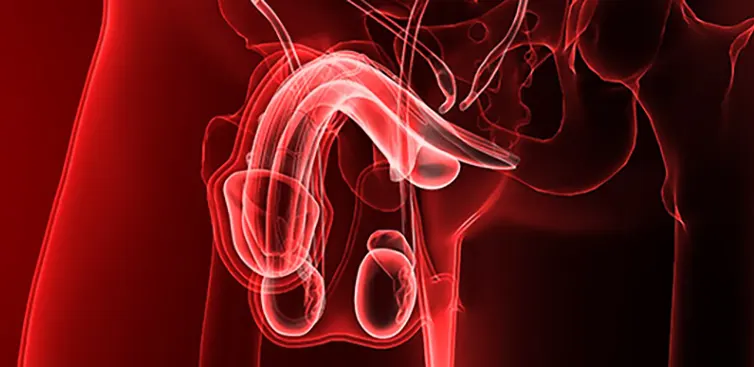
What Is “Testicle Tanning,” and Is It Safe?
Evidence for Testosterone Increase
Several small-scale human studies have investigated RLT’s effect on testosterone. A 2016 study published in Lasers in Medical Science found that a single session of low-level laser therapy (LLLT) on the scrotum led to a significant, albeit temporary, increase in total testosterone levels in men with low baseline levels. However, the increase was modest and returned to baseline within a few hours.
In animal models, the results have been more robust. Rodent studies consistently show that repeated LLLT can increase serum testosterone, testicular cell proliferation, and even reverse some age-related decline in testicular function. However, animal physiology differs from human, and human trials have yet to demonstrate a sustained, long-term testosterone boost.
Evidence for Fertility and Sperm Quality
The strongest evidence for testicular RLT lies in fertility applications. A 2020 systematic review in Andrologia concluded that photobiomodulation can improve sperm parameters—specifically motility, viability, and mitochondrial membrane potential—in men with infertility issues.
Several randomized controlled trials have shown that exposing semen samples or the scrotum to red light can reduce reactive oxygen species (ROS) and DNA fragmentation, which are key contributors to male factor infertility. For men with oligoasthenozoospermia (low sperm count and poor motility), RLT appears to offer a non-invasive adjunct therapy.
Frequently Asked Questions
Does red light therapy shrink testicles?
No evidence suggests this. When used properly, it should not negatively affect size or structure.
Can I use it daily?
Not recommended. Overuse may reduce benefits.
How long before I see results?
- Hormonal changes: 4–8 weeks
- Sperm improvements: 8–12 weeks (aligned with sperm cycle)
Is near-infrared better than red light?
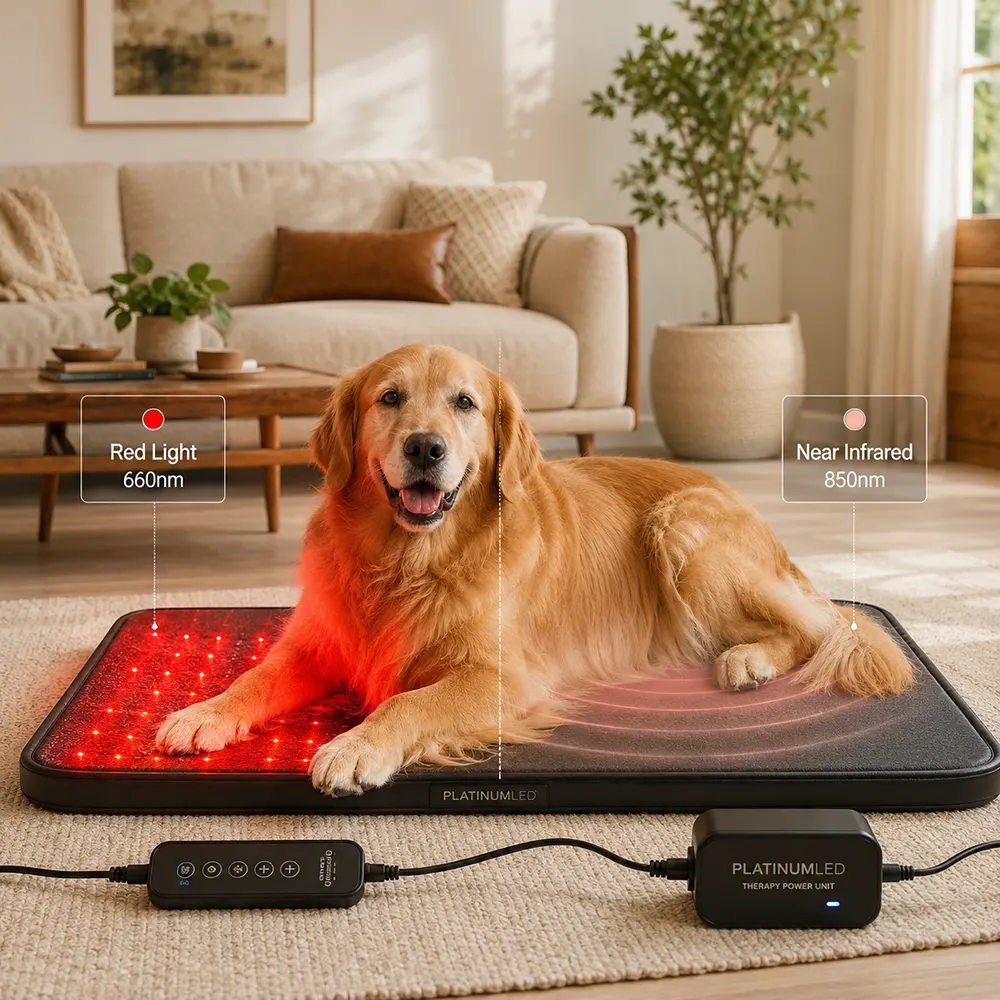
Both work best together:
- Red light → surface-level benefits
- Near-infrared → deeper penetration
Final Verdict: Does It Work?
Yes—red light therapy can work on testicles, but results depend on consistency, device quality, and overall health.
Bottom Line:
- ✔ Scientifically plausible and biologically supported
- ✔ Early research is promising
- ✔ Safe when used correctly
- ⚠ Not a miracle cure
- ⚠ Requires consistency and realistic expectations
References
- 1.Ottwell R, Hartwell M, Beswick T, Rogers T, Ivy H, Goodman M, Vassar M. Public Interest in a Potentially Harmful, Non–Evidence-Based “Wellness” Practice: Cross-Sectional Analysis of Perineum Sunning. JMIR Dermatol. 2021 Jan 26;4(1):e24124. doi: 10.2196/24124. [DOI] [PMC free article] [PubMed] [Google Scholar]
- 2.Hyndman R, Khandakar Y. Automatic time series forecasting: the forecast package for R. R-Project. 2008. [2022-09-06].
https://cran.r-project.org/web/packages/forecast/vignettes/JSS2008.pdf
. - 3.Jasuja GK, Bhasin S, Rose AJ. Patterns of testosterone prescription overuse. Curr Opin Endocrinol Diabetes Obes. 2017 Jun;24(3):240–245. doi: 10.1097/MED.0000000000000336. [DOI] [PubMed] [Google Scholar]
- 4.Quann J. Testicle tanning on the rise: The importance of vitamin D. Newstalk. [2022-05-08].
https://www.newstalk.com/news/its-to-get-the-vitamin-d-why-men-are-tanning-their-testicles-1334388
. - 5.Myerson A, Neustadt R. Influence of ultraviolet irradiation upon excretion of sex hormones in the male. Endocrinology. 1939 Jul;25(1):7–12. doi: 10.1210/endo-25-1-7. [DOI] [Google Scholar]
- 6.Ask an expert: Will tanning my balls increase testosterone? Healthy Male. [2022-08-14].
https://www.healthymale.org.au/news/ask-expert-will-tanning-my-balls-increase-testosterone
. - 7.Parikh R, Sorek E, Parikh S, Michael K, Bikovski L, Tshori S, Shefer G, Mingelgreen S, Zornitzki T, Knobler H, Chodick G, Mardamshina M, Boonman A, Kronfeld-Schor N, Bar-Joseph H, Ben-Yosef D, Amir H, Pavlovsky M, Matz H, Ben-Dov T, Golan T, Nizri E, Liber D, Liel Y, Brenner R, Gepner Y, Karnieli-Miller O, Hemi R, Shalgi R, Kimchi T, Percik R, Weller A, Levy C. Skin exposure to UVB light induces a skin-brain-gonad axis and sexual behavior. Cell Rep. 2021 Aug 24;36(8):109579. doi: 10.1016/j.celrep.2021.109579.
https://linkinghub.elsevier.com/retrieve/pii/S2211-1247(21)01013-5
.S2211-1247(21)01013-5 [DOI] [PMC free article] [PubMed] [Google Scholar] - 8.Emamjomeh S. The Effects of Acute Ultraviolet Light Exposure on Post-Resistance Exercise Testosterone Levels in Older Men. Dissertation. California State University. 2018. [2022-09-06].
https://www.proquest.com/openview/b3a8a93c0ba21e2f4e4301fffde01ba9/1?pq-origsite=gscholar&cbl=18750
. - 9.Verhoeven RHA, Aben KKH, van Rossum MM, Reedijk AM, Botterweck AA, Veerbeek L, Visser O, van der Aa MA, Ho VKY, Coebergh JWW, Kiemeney LALM. New insights into the aetiology of scrotal cancer, a nationwide case-control study in the Netherlands. J Eur Acad Dermatol Venereol. 2014 Jan;28(1):65–71. doi: 10.1111/jdv.12056. [DOI] [PubMed] [Google Scholar]
- 10.Zhou Y, Meng T, Wu L, Duan Y, Li G, Shi C, Zhang H, Peng Z, Fan C, Ma J, Xiong C, Bao W, Liu Y. Association between ambient temperature and semen quality: A longitudinal study of 10 802 men in China. Environ Int. 2020 Feb;135:105364. doi: 10.1016/j.envint.2019.105364.
https://linkinghub.elsevier.com/retrieve/pii/S0160-4120(19)31519-3
.S0160-4120(19)31519-3 [DOI] [PubMed] [Google Scholar]