Teenage acne is one of the most common—and frustrating—skin concerns. From sudden breakouts before school to persistent oily skin and inflammation, teens often struggle to find a solution that is effective, gentle, and safe for developing skin.
That’s why more dermatologists and skincare professionals are recommending LED red light therapy face masks as a non-invasive alternative.
But how well does it actually work for teenage acne? And is it safe?
Let’s break it all down.
Why Teenagers Get Acne
Teen acne is primarily driven by hormonal changes, especially during puberty.
These changes can cause:
- excess oil (sebum) production
- clogged pores
- bacterial growth (Cutibacterium acnes)
- inflammation and redness
Traditional treatments like strong cleansers or topical medications often over-dry or irritate the skin, making acne worse over time.
👉 This is where LED light therapy offers a different approach.
How Red Light Therapy Helps Teenage Acne
Unlike harsh treatments, red light therapy works with your skin—not against it.
✔ Reduces Inflammation
Red light (630–660nm) helps calm inflamed acne lesions, reducing redness and swelling.
✔ Supports Skin Healing
Near-infrared light (830–850nm) promotes faster healing of acne spots and reduces the risk of scarring.
✔ Balances Oil Production
By improving cellular function, red light therapy helps regulate overactive sebaceous glands.
✔ Gentle & Non-Irritating
No peeling, no burning, no harsh chemicals—making it ideal for sensitive teenage skin.
Why LED Face Masks Are Ideal for Teens
Compared to creams or spot treatments, LED masks offer:
- full-face acne treatment
- consistent and even light exposure
- hands-free, easy-to-use design
- no dependency on chemicals
👉 Perfect for teens who need a simple and consistent routine.
What Wavelengths Work Best for Teenage Acne?
Recommended:
-
- 630–660nm (Red Light)
- 830nm (Near-Infrared Light)
Penetrates deeper into the skin to support tissue repair, reduce inflammation, and accelerate recovery from acne lesions. - 1060nm (Deep Near-Infrared Light)
Works at a deeper level to improve skin resilience and calm persistent or cystic acne—especially useful for teens dealing with more severe breakouts.
- 830nm (Near-Infrared Light)
- 👉 A combination of these wavelengths delivers both surface-level acne control and deep skin healing, making treatment more comprehensive.
- 630–660nm (Red Light)
Best LED Face Mask Option for Teenage Acne
Pureluxtech G15K LED Silicone Mask
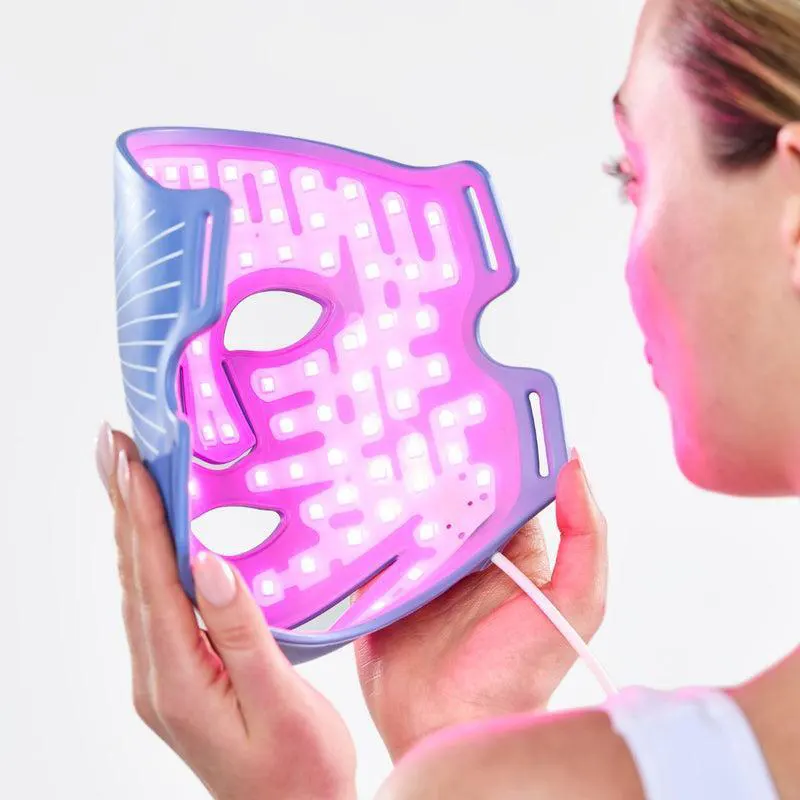
If you’re looking for a safe, effective, and teen-friendly LED mask, the Pureluxtech G15K stands out for several reasons:
✔ Multi-Wavelength Acne Treatment
-
-
- 633nm red light – reduces inflammation and redness
- 830nm near-infrared – promotes healing
- 1060nm deep infrared – supports deeper acne recovery
-
👉 This combination is ideal for mild to moderate teenage acne.
✔ Soft Silicone Design (Perfect for Teens)
-
-
- Flexible, skin-conforming mask
- Comfortable fit for different face shapes
- No pressure or irritation
-
👉 Unlike rigid masks, this design feels lightweight and easy to wear—even for beginners.
✔ Adjustable for Safety & Comfort
-
-
- 3-level intensity control (great for sensitive skin)
- 3-level timer settings
- Pause + restart functions
-
👉 Teens can start with lower intensity and gradually increase—reducing risk of irritation.
✔ Portable & Easy to Use
-
-
- Built-in 2000mAh battery
- LED display controller
- Ideal for home use, school dorms, or travel
-
Alternative Option: G10 LED Mask (Beginner-Friendly)
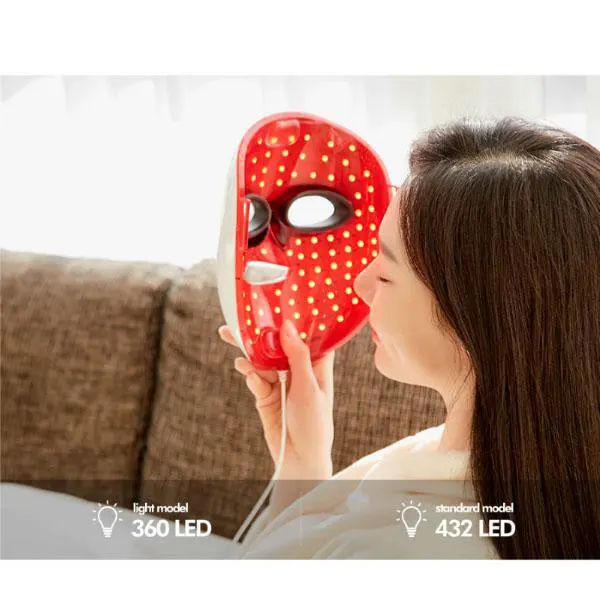
Another good option for teens is the G10 LED Mask, especially for beginners.
Key Differences:
| Feature | G15K | G10 |
|---|---|---|
| Wavelengths | 633 + 830 + 1060nm | 590 + 630 + 830 + 850nm |
| Intensity Control | 3 levels | Standard |
| Battery | 2000mAh | 3000mAh |
| Design | Advanced silicone | Foldable FPC |
👉 G15K = better for targeted acne treatment
👉 G10 = more versatile, general skincare
How Teenagers Should Use LED Masks for Acne
Step-by-Step Routine
-
-
- Cleanse the skin
- Use a gentle, non-comedogenic cleanser
- Avoid harsh scrubs
- Dry your face completely
- Light works best on clean, dry skin
- Wear the LED mask
- Start with 10–15 minutes per session
- Follow with simple skincare
- Lightweight moisturizer
- Optional: calming serum (like niacinamide)
- Cleanse the skin
-
How Often Should Teens Use It?
-
-
- 3–5 times per week (ideal for acne control)
- Reduce frequency if skin becomes sensitive
- Consistency matters more than intensity
-
👉 Most teens start seeing results in 2–4 weeks, with clearer skin over time.
Safety Tips for Teenage Users
LED red light therapy is generally very safe, but teens should follow these guidelines:
✔ Do:
-
-
- Start with low intensity
- Keep sessions short initially
- Use protective eyewear if needed
-
✖ Avoid:
-
-
- Using on broken or infected skin
- Overusing (more is NOT better)
- Combining with strong acne medications without guidance
-
Realistic Expectations
LED therapy is not an overnight cure, but it provides:
-
-
- gradual acne reduction
- less redness and inflammation
- improved skin texture
- fewer future breakouts
-
👉 Think of it as a long-term skin health investment, not a quick fix.
Is It Better Than Traditional Acne Treatments?
| Treatment | Pros | Cons |
|---|---|---|
| Topical creams | Easy to apply | Can irritate skin |
| Oral medication | Strong effect | Side effects |
| LED therapy | Gentle, non-invasive | Requires consistency |
👉 For teens, LED masks are often the safest starting point.