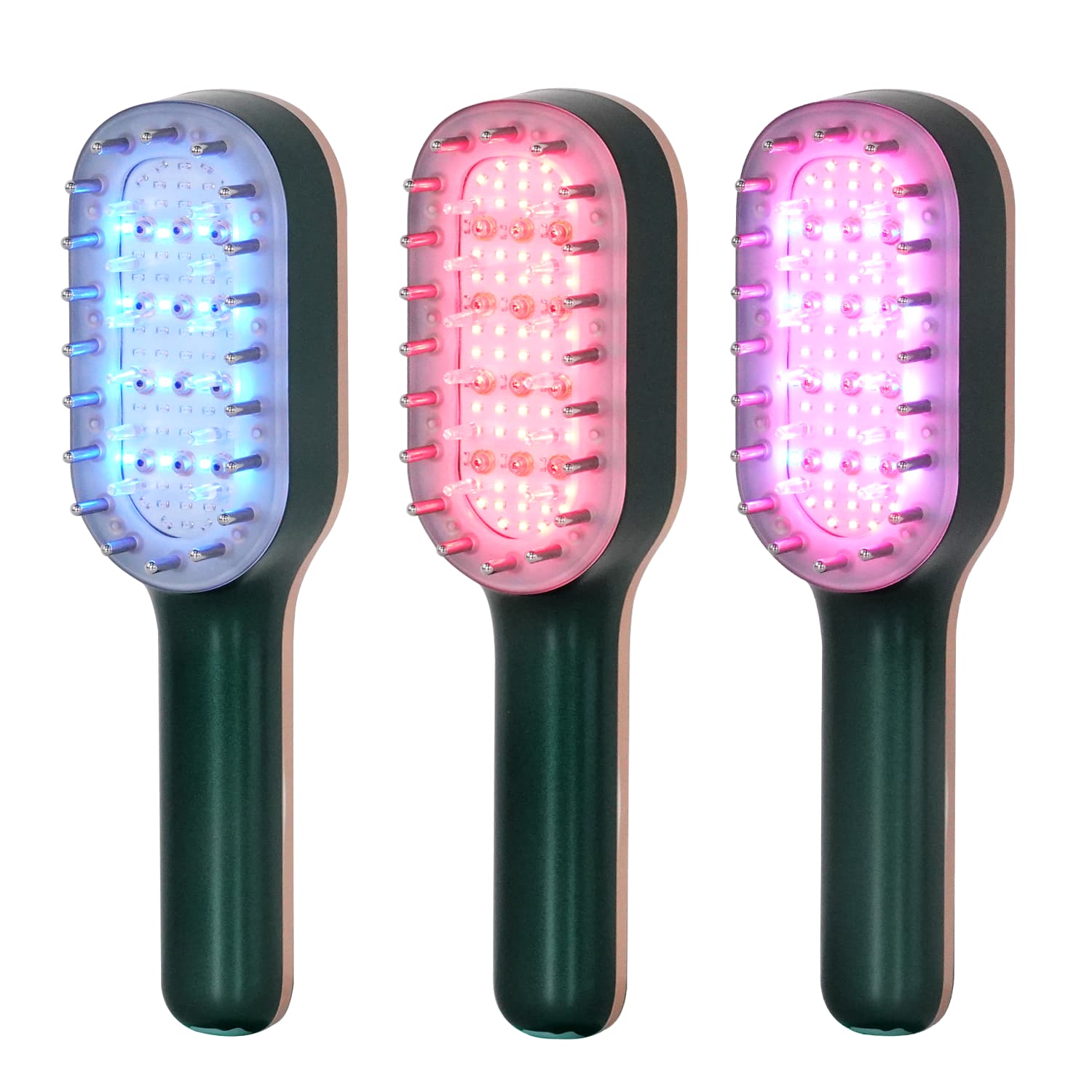
What Is PDT LED Photon Therapy?
Understanding Photodynamic Therapy (PDT)
Photodynamic Therapy (PDT) is a light-based treatment that uses specific wavelengths of LED light to activate cellular processes in the skin.
Unlike lasers or invasive procedures, PDT is:
- non-thermal
- non-invasive
- safe for repeated use
It works through photobiomodulation, where light energy stimulates cells to:
- produce more ATP (cellular energy)
- increase collagen synthesis
- reduce inflammation
- destroy acne-causing bacteria
What “FDA Cleared” Really Means for LED Light Therapy
Navigating regulatory terminology can be confusing. Unlike pharmaceuticals or implantable medical devices that require full “FDA approval,” most LED phototherapy devices undergo the FDA 510(k) clearance pathway. This process requires manufacturers to demonstrate that their device is substantially equivalent to an already legally marketed predicate device in terms of safety, performance, and intended use. For an FDA cleared PDT LED photon therapy device with multiple wavelengths, this means rigorous third-party evaluation of optical output, electrical safety, biocompatibility of contact materials, and manufacturing quality control.
Crucially, FDA clearance is not a cosmetic rubber stamp. It involves dosimetry verification, spectral accuracy testing, and clinical documentation proving that the emitted wavelengths and irradiance levels fall within established therapeutic ranges without posing risks like retinal damage, thermal injury, or electrical hazards. Many low-cost consumer masks bypass this step, relying on vague “lab-tested” claims or unverified LED diodes that degrade rapidly after minimal use. A cleared device, however, provides transparency: consistent spectral accuracy (typically ±5nm tolerance), stable power delivery over thousands of operational hours, and alignment with international standards such as CE, ISO13485, TGA, and ROHS. For users and professionals alike, this regulatory backing transforms light therapy from a speculative trend into a reliable, evidence-based skincare protocol.
The Science of Multi-Wavelength Photobiomodulation
At the heart of photon therapy lies Photobiomodulation (PBM), a well-documented biological process where specific light wavelengths interact with cellular mitochondria. When photons penetrate the skin, they are absorbed by cytochrome c oxidase, a key enzyme in the cellular electron transport chain. This absorption triggers a cascade of regenerative responses: increased adenosine triphosphate (ATP) production, reduced oxidative stress, enhanced microcirculation, and upregulated synthesis of structural proteins like collagen and elastin.
However, not all light achieves the same effect. The therapeutic window for human skin typically ranges from 400nm to 1100nm, with distinct wavelengths targeting different depths and cellular pathways. This is precisely why an FDA cleared PDT LED photon therapy device with multiple wavelengths outperforms single-color alternatives. By combining calibrated light sources, these systems address the skin holistically rather than isolating one concern.
For example, advanced systems like the G240 PDT platform utilize a scientifically balanced quartet:
- 415nm (Blue): Targets the epidermis, neutralizing Cutibacterium acnes bacteria and calming surface inflammation.
- 590nm (Yellow): Penetrates the mid-dermis, reducing erythema, soothing sensitivity, and promoting lymphatic drainage.
- 630nm (Red): Reaches the deep dermis, activating fibroblasts to boost collagen density and smooth fine lines.
- 850nm (Near-Infrared): Penetrates into subcutaneous tissue, accelerating deep tissue repair, reducing chronic inflammation, and enhancing cellular hydration.
When emitted at a precise 1:1:1:1 ratio, these wavelengths work synergistically. The near-infrared component enhances cellular uptake of visible light, while the visible spectrum addresses surface and mid-layer concerns. The result is a comprehensive rejuvenation protocol that adapts to daily skin needs rather than offering a rigid, one-size-fits-all treatment.
Why Multiple Wavelengths Deliver Superior Clinical Outcomes
Single-wavelength masks dominated the early consumer market, but they inherently limit therapeutic scope. Blue light may clear breakouts but does little for structural aging; red light boosts collagen but cannot address acute sensitivity or bacterial overgrowth. An FDA cleared PDT LED photon therapy device with multiple wavelengths eliminates this compromise through intelligent, programmable mode selection.
Modern compliant systems typically offer four targeted protocols: Red + Infrared for anti-aging and firming, Yellow + Infrared for barrier repair and redness reduction, Blue + Infrared for acne management, and Full Spectrum for overall radiance and maintenance. This flexibility mirrors clinical practice, where dermatologists adjust light parameters based on skin condition, tolerance, and treatment phase.
Moreover, multi-wavelength engineering requires precision optics and thermal management. Cheap LED arrays often suffer from spectral bleed, inconsistent irradiance, or rapid diode degradation. A professionally cleared device maintains stable output at ≥40mW/cm², ensuring each session delivers therapeutic dosing within 10 minutes. Adjustable intensity levels (typically 50% to 100%) further allow users to customize treatment for sensitive periods or progressive intensity training, making the technology adaptable across skin types, ages, and seasonal changes.
Engineering Compliance: Safety, Design, and Performance
Regulatory clearance is only as strong as the engineering behind it. An FDA cleared PDT LED photon therapy device with multiple wavelengths must meet stringent criteria for optical safety, material biocompatibility, and user ergonomics. Key design elements include:
Medical-Grade Construction: High-quality devices utilize hypoallergenic, flexible silicone that conforms to facial contours without creating pressure points. Unlike rigid plastic shells that lift away from the cheeks or jawline, flexible materials maintain optimal photon-skin proximity, maximizing absorption efficiency. The same ergonomic design can often be rolled into a cylindrical shape for treating the neck, décolletage, arms, or legs, expanding therapeutic utility beyond the face.
Precision Electronics: A wireless 2.4G controller with a clear graphic display eliminates Bluetooth pairing delays and app dependency. Users benefit from intuitive mode selection, multiple timer settings (5–30 minutes), and automatic memory of their last session. Behind the scenes, PCBA components are shielded against electromagnetic interference, and the system includes overcharge, short-circuit, and thermal protection protocols to ensure long-term reliability.
Certified Power Delivery: With 240 professional-grade LEDs arranged in an optimized matrix, light distribution remains uniform across the treatment area. The ≥40mW/cm² irradiance threshold ensures clinical efficacy, while dual certification (FDA 510(k), CE, ISO13485, TGA, ROHS, FCC) guarantees manufacturing consistency. For skincare brands and medspas, OEM/ODM support enables customized wavelength tuning, branding, and packaging without compromising regulatory compliance—accelerating time-to-market while maintaining clinical integrity.
Clinical Validation & Real-World Efficacy
Skepticism toward at-home phototherapy is understandable, but peer-reviewed literature and independent clinical evaluations consistently support its efficacy when proper parameters are met. An FDA cleared PDT LED photon therapy device with multiple wavelengths delivers measurable, progressive improvements when used according to protocol:
Week 1: 67.6% of users report visibly softened fine lines and improved skin smoothness as cellular energy pathways stabilize and inflammation decreases.
Week 2: 83.8% observe reduced wrinkle depth; instrumental testing shows a 9.58% increase in skin elasticity and a 7.65% improvement in firmness.
Week 4: 94.6% achieve significant anti-aging results, with wrinkle count decreasing by 24.56% and wrinkle volume reduced by 12.46%.
These outcomes reflect cumulative ATP-driven renewal, not temporary swelling or surface hydration. For optimal results, clinicians recommend 3–5 sessions weekly for 10 minutes, followed by a maintenance phase of 1–2 weekly treatments. The cool-light mechanism ensures zero thermal damage, making it safe for post-procedure recovery, sensitive skin, and long-term daily use. Pairing treatments with peptide serums, niacinamide, or ceramide moisturizers further enhances barrier repair and product penetration.
Who Benefits & How to Use It Safely
The versatility of multi-wavelength photon therapy makes it suitable for a broad demographic: consumers seeking proactive anti-aging, individuals managing occasional breakouts, aesthetic professionals enhancing treatment menus, and those recovering from mild laser or microneedling procedures. However, safety remains paramount.
Users should begin with a patch test, start at lower intensity settings, and avoid direct eye exposure (though built-in shielding and natural eyelid closure typically mitigate risk). Those with photosensitivity disorders, active melasma, or prescription retinoid use should consult a dermatologist before beginning treatment. Consistency, not intensity, drives results. Overuse does not accelerate benefits and may cause temporary cellular fatigue. Following manufacturer guidelines ensures optimal dosing and long-term skin resilience.
The Future of Regulated Light Therapy
As consumer expectations rise, the market will increasingly favor transparency over hype. Emerging trends include AI-driven skin diagnostics that auto-adjust wavelength output, cloud-synced treatment logs for dermatologist review, and modular wearable designs targeting specific facial zones. Yet, the foundation remains unchanged: light is a precise, non-invasive catalyst for cellular renewal.
Brands and manufacturers who prioritize regulatory compliance, spectral accuracy, and user-centric engineering will lead the next generation of skincare innovation. OEM/ODM partnerships enable scalable, certified production without compromising on clinical standards, making professional-grade technology accessible to global markets while maintaining rigorous quality control.
How to Choose the Right Manufacturer
✔ Key Criteria:
- FDA/CE certification support
- proven OEM/ODM experience
- strong R&D capability
- transparent technical data
- reliable communication
✔ Red Flags:
- vague specifications
- no compliance documentation
- unrealistic pricing
👉 A trusted manufacturer ensures product quality and long-term success.
Final Thoughts
An FDA cleared PDT LED photon therapy device with multiple wavelengths represents the gold standard in modern skincare technology.
By combining:
- clinically validated wavelengths
- safe and regulated design
- customizable OEM/ODM solutions
👉 these devices offer powerful, scalable opportunities for brands and professionals alike.