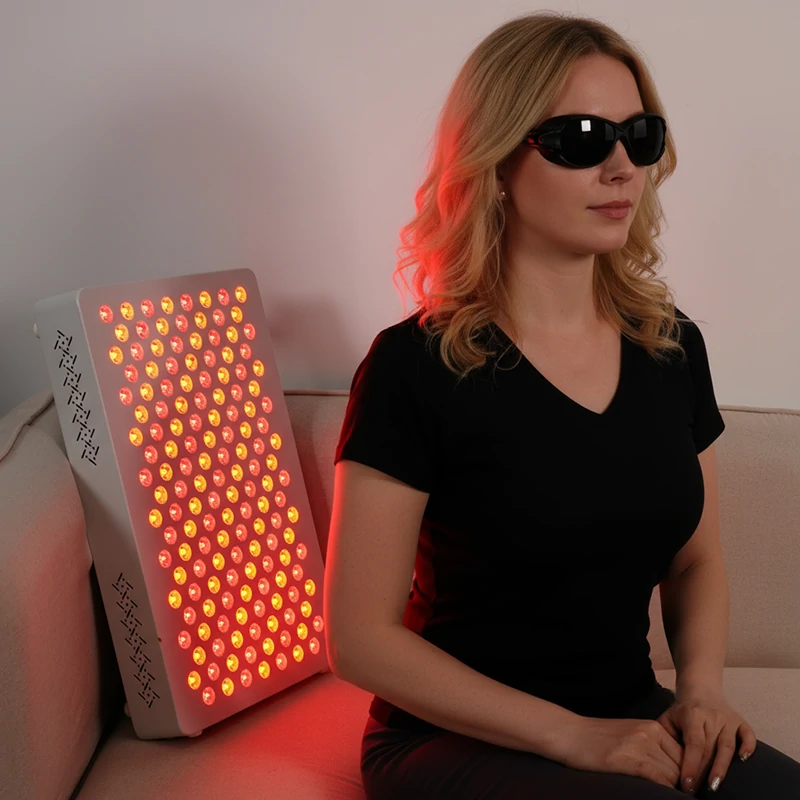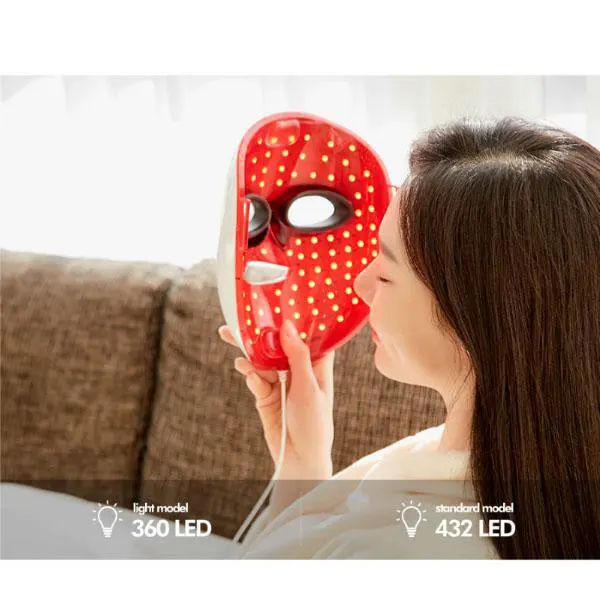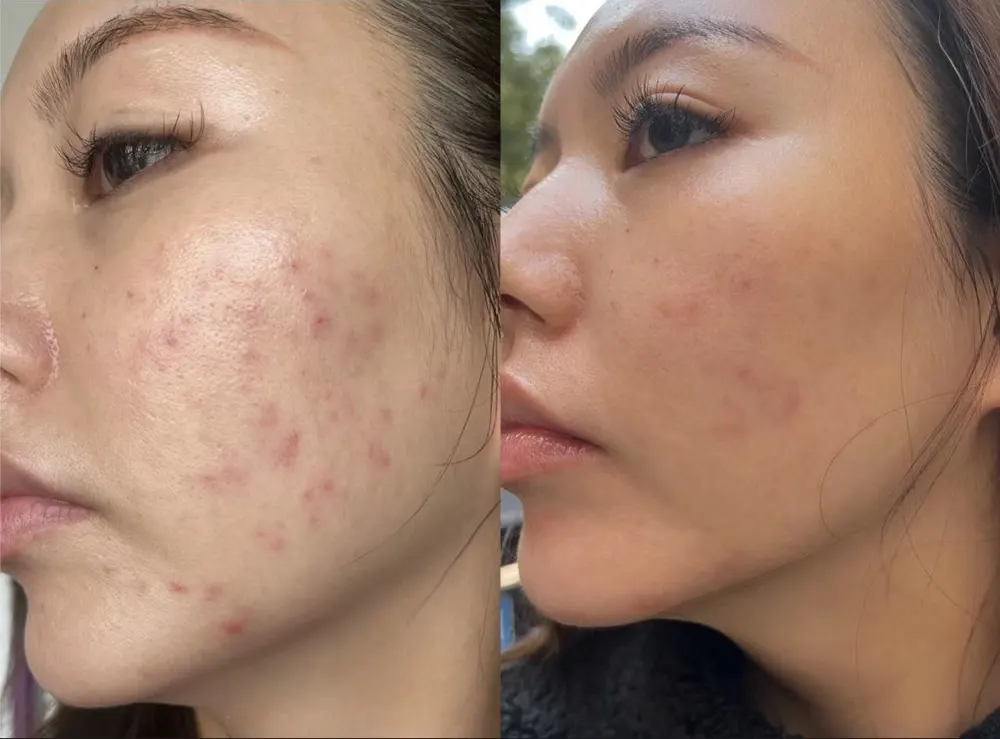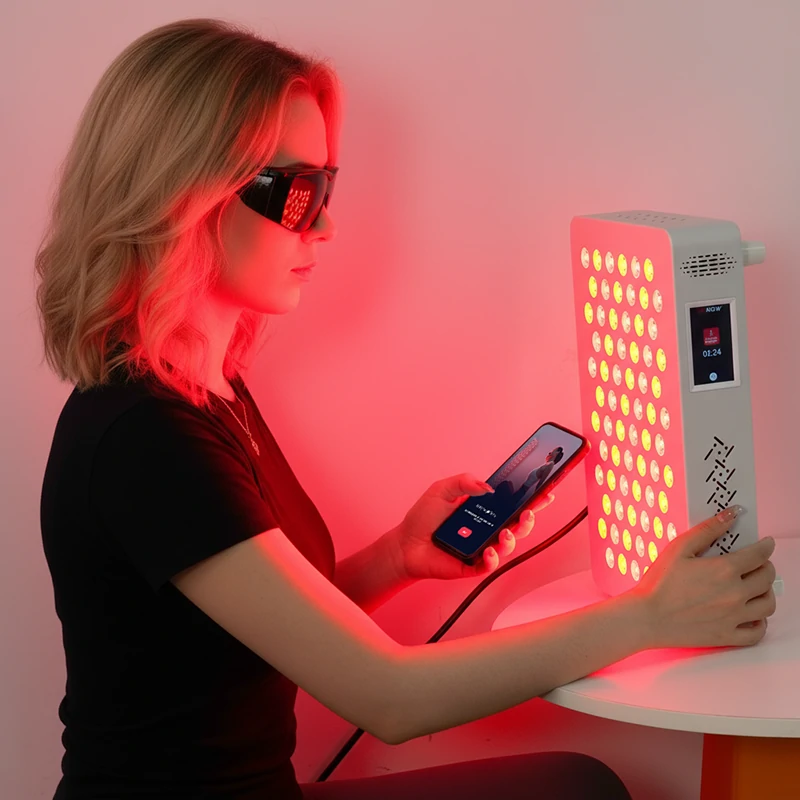
En Puroluxtech , we believe in total transparency. Not all devices are created equal. Here is how to distinguish between a science-backed skincare tool and a gimmick, and why at-home treatment is not only effective but, in some ways, superior to sporadic clinical visits.
El “Dose” Makes the Poison (And the Cure)
To understand why some at-home masks fail, you have to understand the concept of fluence, or energy dose. In the clinical studies we discussed earlier, participants received a specific amount of light energy measured in Joules per square centimeter.
The Challenge with At-Home Devices:
Professional machines in a dermatologist’s office are extremely powerful. They can deliver a high dose of energy in a very short amount of time. Sin embargo, they are expensive and inconvenient.
The Solution:
At-home masks compensate for lower power by utilizing time. You wear the mask for a longer period (generalmente 10-20 minutos) to accumulate the same therapeutic dose (Joules) as a quick in-office session.
The Verdict: If an at-home mask emits the correct wavelengths (typically 630nm-660nm for red) and has a high enough irradiance (power output), wearing it consistently for the recommended time will deliver the same cellular benefits as a professional machine.
👉People who enjoyed reading this also enjoyed : Máscaras de terapia de luz roja que cumplen con la FDA
El 3 Non-Negotiables for an Effective Mask
If you are shopping online, these are the three technical specifications you must look for to ensure your mask actually works. If a mask lacks these, it is likely just a fancy light bulb.
1. The Correct Wavelength (Nanometers)
Not all light is therapeutic. Green light, purple light, or very dim red lights often do nothing for collagen production.
-
What Works: Look for devices that specify 630nm to 660nm (Rojo) y 810nm to 850nm (Infrarrojo cercano). This is the “sweet spot” where light penetrates the skin barrier and is absorbed by your mitochondria.
-
Red Flag: If the brand doesn’t list the specific wavelength, or if the numbers fall outside this range, the mask is likely ineffective.
2. Sufficient Irradiance (Densidad de potencia)
This measures how much light energy hits your skin per second. It is usually measured in mW/cm².
-
What Works: A higher irradiance means you get your therapeutic dose faster. Medical-grade at-home masks should have a high enough output to penetrate the dermis, not just sit on the surface.
-
Red Flag: If the mask feels extremely lightweight and the lights are sparse or very dim to the naked eye, it probably lacks the power to reach the deep layers of your skin where collagen lives.
3. Consistency and Compliance
This is where at-home masks have a massive advantage over the clinic.
-
The Clinic Problem: Most people cannot afford or schedule the recommended 3-5 sessions per week at a dermatologist’s office. Sporadic use rarely yields results.
-
The At-Home Advantage: With a mask in your bathroom, you can treat your skin daily. Consistency is the secret ingredient. Those who see dramatic results are the ones who use their mask 4-5 times a week for several months.
👉G13 Red Light Therapy Silicone Face Mask
Incluye 104 LEDs with balanced wavelength ratios and ultra-thin flexible silicone for improved facial conformity.
What the Research Says About Home Use
A 2019 study published in The Journal of Clinical and Aesthetic Dermatology specifically looked at the effects of a daily, at-home LED device. After just 4 semanas, participants showed significant improvements in skin complexion, redness, and texture. Después 12 semanas, there was a marked reduction in periorbital wrinkles (crow’s feet).
The conclusion? Daily, low-level light exposure in the comfort of your own home is a safe and effective method for long-term skin rejuvenation.
Preguntas frecuentes (Preguntas frecuentes)
¿Es segura la terapia con luz roja??
In the short-term, it appears to be safe. Unlike ultraviolet (UV) luz, which can cause skin cancer, research hasn’t found that red light can cause any type of cancer.
The most common side effects are mild. Some people develop temporary mild pain or irritated skin from red light therapy.
As for safety, you’ll see “FDA-cleared” on many red-light devices that you can buy. This means that the FDA considers that device to pose a low risk to the public.
Keep in mind that FDA cleared doesn’t tell you anything about how effective the device is. It means the device is considered safe.
When shopping for a red-light device, you may see a term like “FDA approved” or “FDA certified.” While these terms sound impressive, they have no meaning when used to describe a medical device. The FDA clears devices. It doesn’t approve or certify them.
Although red-light devices are considered safe, we don’t know the long-term effects on the skin or hair. More research is needed to find out.
What Is The Best LED Face Mask On The Market?
While in our experience, every red light therapy mask on this list has the potential to provide effective results, our top pick is the versatile Dr. Dennis Gross DRx SpectraLite FaceWare Pro. We chose this LED face mask based on rigorous testing over the course of four months by a panel of expert testers, supported by input from skincare professionals.
Do Red Light Therapy Masks Actually Work?
Sí, the red light therapy masks we tried provided noticeable results. Sin embargo, don’t expect the effects to be instantaneous—it takes several weeks of consistent use, along with the right skincare regimen, to see an improvement in complexion.