L'essor des masques LED à domicile
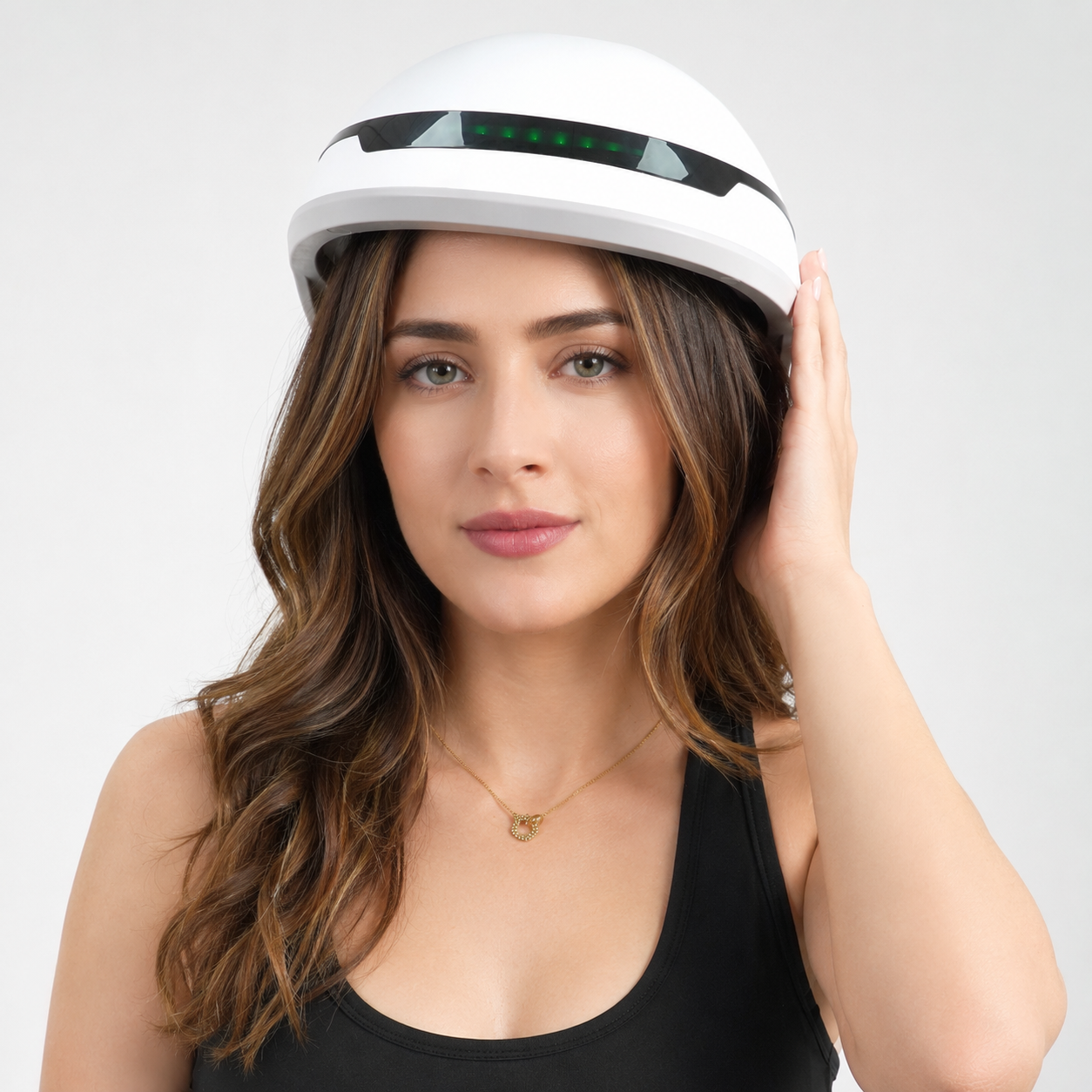
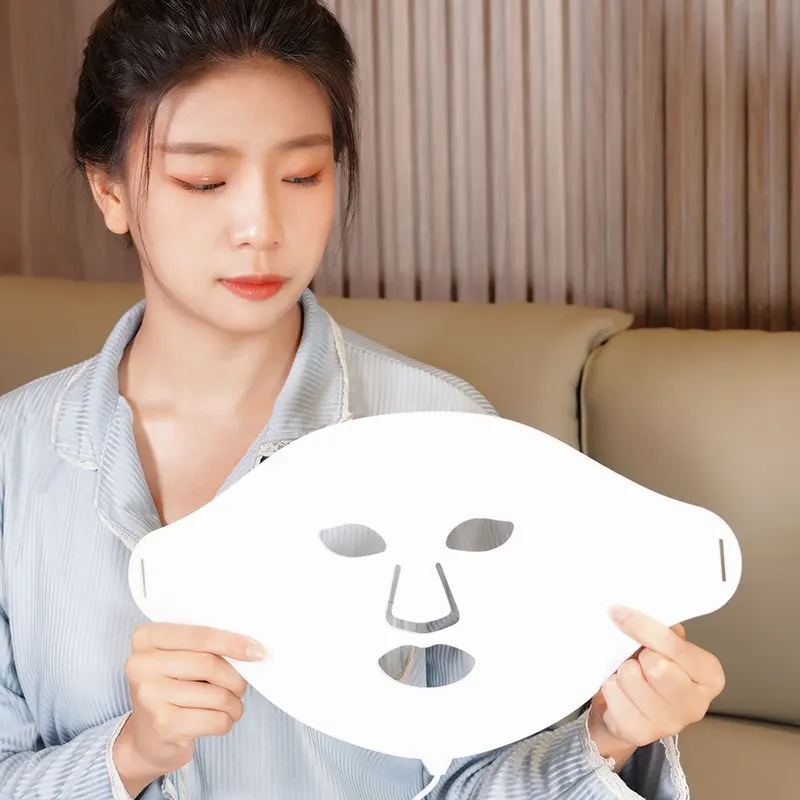
Les masques LED à domicile sont conçus pour émettre des longueurs d’onde de lumière rouge, qui stimuleraient les cellules de la peau, améliorer la circulation, et stimuler la production de collagène. Ces appareils séduisent ceux qui recherchent un, option rapide pour améliorer la santé de leur peau. Ils sont élégants, facile à utiliser, et promettez des résultats de niveau professionnel pour une fraction du coût. Cependant, de nombreux consommateurs se demandent: ces appareils à domicile peuvent-ils vraiment égaler la puissance des traitements professionnels?
Pourquoi le RLT de qualité clinique se démarque
Les appareils professionnels de thérapie par la lumière rouge sont bien plus puissants que leurs homologues grand public. Ces systèmes cliniques sont conçus pour fournir de la lumière à des longueurs d'onde et des intensités précises qui pénètrent plus profondément dans la peau., répondre non seulement aux problèmes de surface, mais également stimuler la régénération à long terme et les effets anti-âge.
En plus d'une pénétration supérieure, les traitements cliniques sont souvent adaptés à l’individu. Des professionnels qualifiés peuvent ajuster la longueur d'onde et l'intensité de la lumière en fonction de vos problèmes de peau spécifiques., garantir des résultats optimaux. Cette personnalisation n'est pas possible avec les masques LED à domicile, qui fonctionnent généralement sur une base unique.
Comprendre la différence
🔴 Qu'est-ce que la thérapie par la lumière rouge?
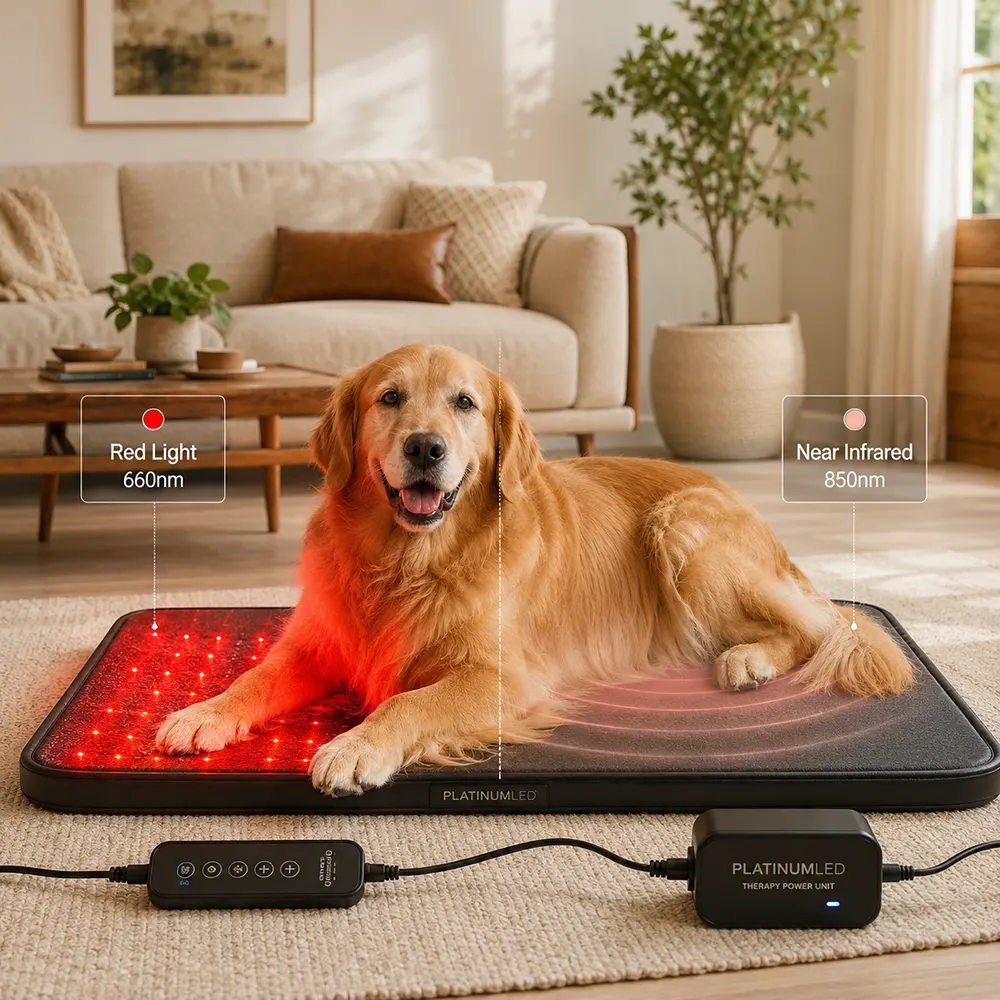
Thérapie par la lumière rouge (RLT), également connue sous le nom de photobiomodulation, utilise des longueurs d'onde de lumière spécifiques - généralement:
-
630–660 nm (Feu rouge) → Stimulation du collagène
-
830–850 nm (Proche infrarouge) → Réparation des tissus profonds
Ces longueurs d'onde pénètrent dans la peau pour:
-
Stimuler le collagène & élastine
-
Réduire l'inflammation
-
Améliorer la circulation
-
Favorise la récupération cutanée
La thérapie par la lumière rouge peut être administrée via:
-
Masques LED
-
Panneaux LED
-
Appareils portables
-
Systèmes d'éclairage en clinique
La thérapie par la lumière rouge est donc la principe technologique, pas l'appareil lui-même.
💡 Qu'est-ce qu'un masque LED?
Un masque LED est un appareil portable conçu pour délivrer une luminothérapie sur le visage à l'aide de LED intégrées..
Cependant, tous les masques LED ne sont pas uniquement des dispositifs à « lumière rouge »..
Certains masques comprennent:
-
Lumière bleue (415nm) pour l'acné
-
Lumière jaune (590nm) pour éclaircir
-
Feu rouge (630nm) pour anti-âge
-
Proche infrarouge (830–850 nm) pour une réparation plus profonde
Cela signifie:
Un masque LED peut délivrer une thérapie par la lumière rouge - mais il peut également fournir des longueurs d'onde supplémentaires.
Pourquoi cette différence est importante lors de l'achat
De nombreux produits à faible coût sont commercialisés sous le nom de « masques anti-lumière rouge », mais:
-
Ne divulguez pas les longueurs d’onde exactes
-
Ne fournit pas d’irradiation (mW/cm²)
-
Manque de documentation réglementaire
Si vous approvisionnez professionnellement, vous devez évaluer les spécifications techniques.
Exemple: Masque LED multi-longueurs d'onde
Masque de luminothérapie LED G10
Le G10 est un bon exemple de masque LED structuré qui offre une thérapie par la lumière rouge – ainsi que des longueurs d'onde complémentaires.
Aperçu technique:
-
Longueurs d'onde: 590 / 630 / 830 / 850nm (1:1:1:1 rapport)
-
128 LED à double puce
-
3000Batterie rechargeable mAh
-
Matériau en silicone de qualité alimentaire
-
Circuit imprimé FPC pliable
-
Conception résistante aux éclaboussures
-
Télécommande avec affichage LED
Voici pourquoi c'est important:
-
630nm soutient la stimulation du collagène
-
830nm & 850nm améliorer la réparation cutanée en profondeur
-
590nm améliore l'équilibre du teint
Cela signifie que le G10 ne se contente pas d'offrir une thérapie par la lumière rouge, il offre un système de rajeunissement de la peau multi-spectre.
Densité de puissance: Le véritable indicateur de performance
Même si un masque comprend une lumière de 630 nm, il doit fournir une puissance suffisante.
Norme professionnelle pour un usage domestique:
-
30–50 mW/cm²
Sans rayonnement adéquat:
-
La lumière peut ne pas pénétrer efficacement
-
Les résultats peuvent être minimes
C'est pourquoi la production d'énergie vérifiée est plus importante que le seul nombre de LED..
Alors… un masque LED est-il la même chose que la thérapie par la lumière rouge?
✔ Si le masque comprend des longueurs d'onde rouges cliniquement validées : oui, il délivre une thérapie par la lumière rouge.
✖ Mais tous les masques LED ne sont pas égaux en termes de précision de longueur d'onde, production d'énergie, ou qualité d'ingénierie.
La thérapie par la lumière rouge est la science.
Un masque LED est le système de livraison.
L'efficacité dépend de:
-
Corriger les longueurs d'onde
-
Irradiation vérifiée
-
Une bonne couverture du visage
-
Matériaux sûrs
-
Préparation réglementaire
Faire le meilleur choix pour votre peau
Au moment de choisir entre les masques LED à domicile et la thérapie par la lumière rouge de qualité clinique, Tenez compte de vos objectifs en matière de peau, budget, et le niveau de résultats que vous visez à atteindre. Si vous recherchez un moyen rapide et pratique de maintenir la santé de votre peau, un masque à domicile peut être une bonne option. Cependant, si vous souhaitez des améliorations plus spectaculaires et durables, consulter un professionnel pour une RLT de qualité clinique est le meilleur choix.
Finalement, la clé pour libérer tout le potentiel de la thérapie par la lumière rouge réside dans la compréhension de sa science et dans l'investissement dans le traitement adapté à vos besoins.. Que vous commenciez avec un appareil à domicile ou optiez pour des traitements de qualité professionnelle, La thérapie par la lumière rouge reste un outil puissant pour atteindre une meilleure santé., une peau plus éclatante.