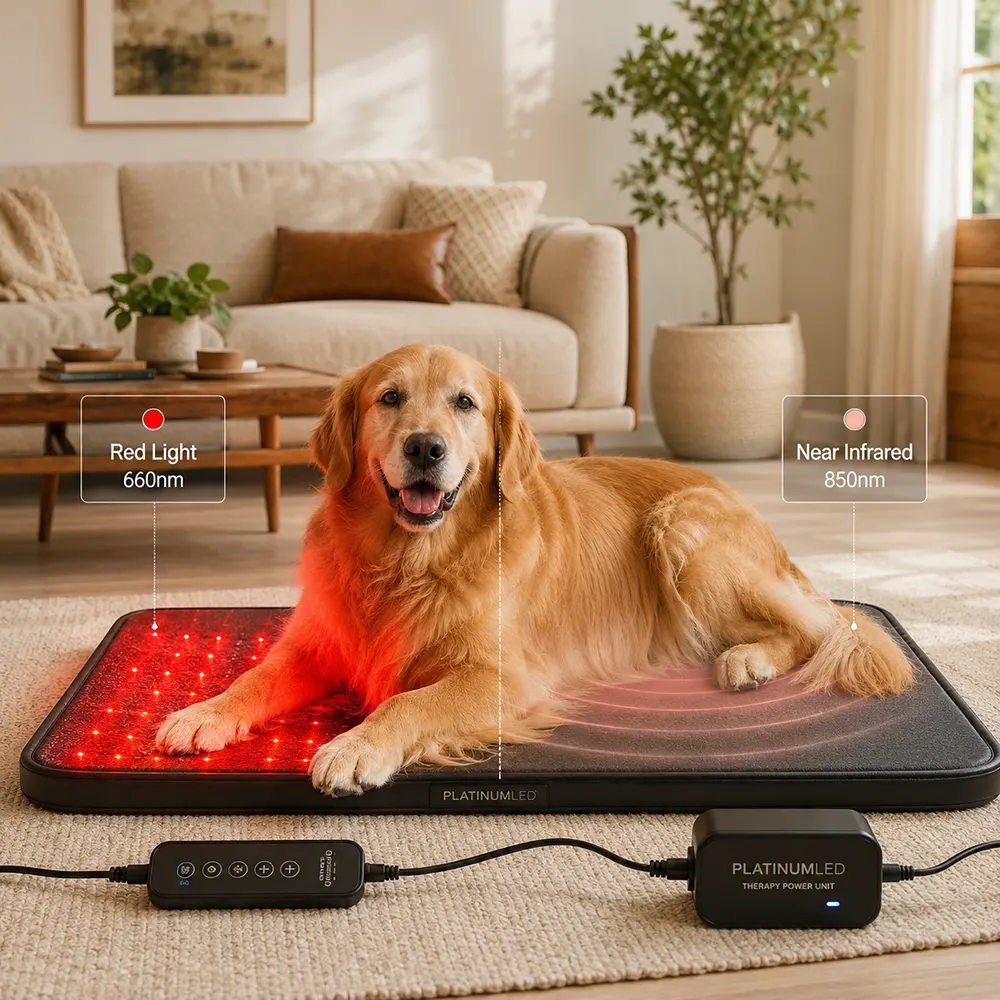
Se hai fatto ricerche sulla terapia della luce rossa, probabilmente hai incontrato due numeri ripetutamente: 660nm e 850 nm. Queste lunghezze d’onda rappresentano le opzioni scientificamente più validate e comunemente utilizzate nella fotobiomodulazione per la salute della pelle. Ma cosa fanno esattamente, e, cosa più importante, di quale ha bisogno la tua pelle?
La risposta potrebbe sorprenderti: non si tratta di sceglierne uno piuttosto che l’altro, ma capire come lavorano insieme. Immergiamoci in profondità nella scienza della luce rossa da 660 nm rispetto alla terapia del vicino infrarosso da 850 nm per il ringiovanimento della pelle.
I Fondamenti: Come la luce interagisce con la pelle
Prima di confrontare le lunghezze d'onda, è essenziale capire che la terapia della luce funziona attraverso la fotobiomodulazione, un processo in cui specifiche lunghezze d'onda della luce vengono assorbite dai mitocondri nelle cellule, innescando una cascata di risposte biologiche benefiche .
Quando i fotoni luminosi penetrano nella tua pelle, vengono assorbiti dalla citocromo c ossidasi, un enzima chiave nella catena respiratoria mitocondriale . Questo assorbimento aumenta l'ATP (energia cellulare) produzione, riduce lo stress ossidativo, e modula l'infiammazione . Tuttavia, diverse lunghezze d'onda penetrano a diverse profondità e influenzano diversi tipi di cellule .
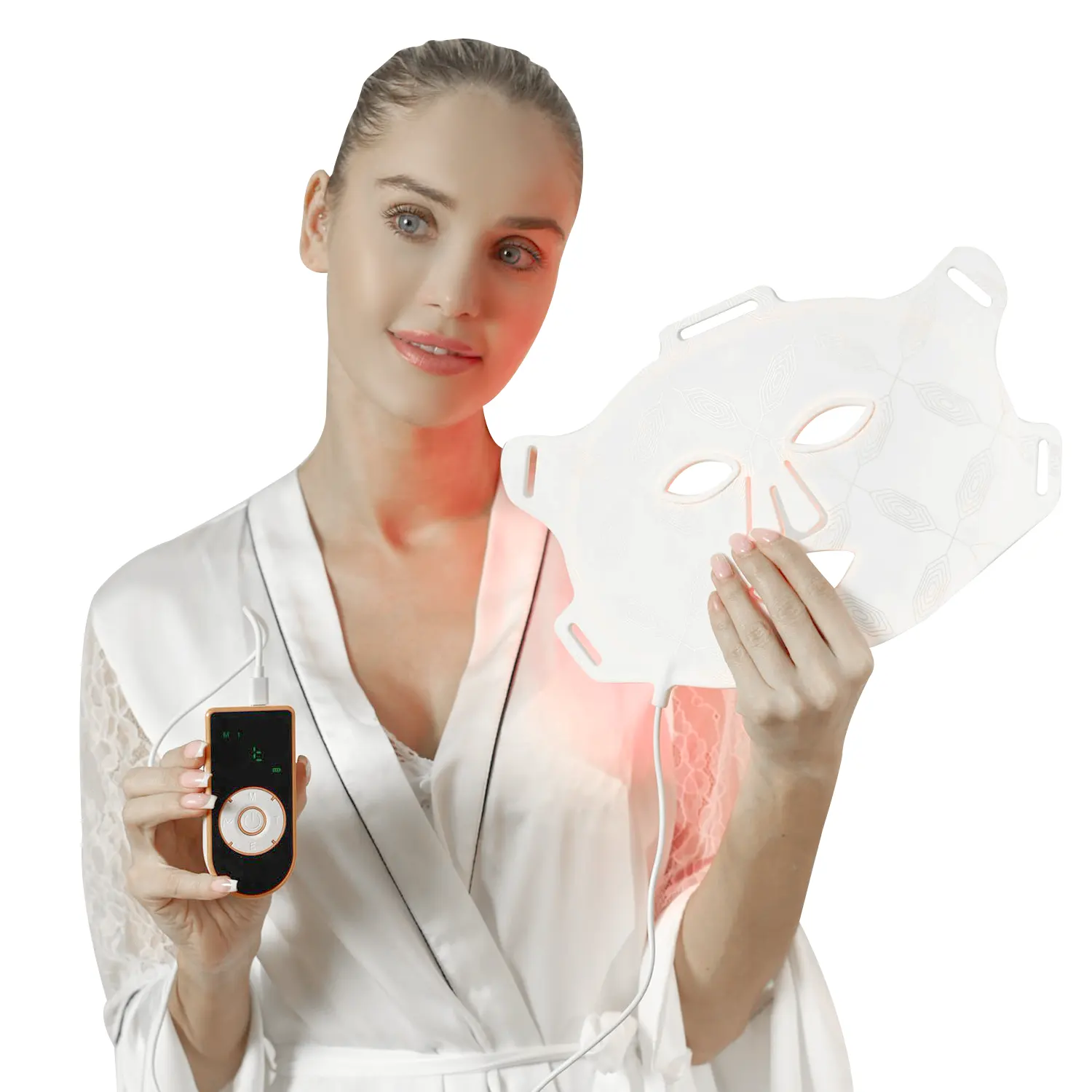
Cos'è la luce rossa a 660 nm?
660nm si trova all'interno dello spettro della luce rossa visibile ed è ampiamente utilizzato nella fotobiomodulazione focalizzata sulla cura della pelle.
Caratteristiche principali di 660 nm
-
Luce rossa visibile
-
Penetra approssimativamente 2–5 mm nella pelle
-
Prende di mira il epidermide e derma superiore
Benefici della pelle di 660 nm
660nm è principalmente associato a miglioramenti cosmetici della pelle, compreso:
-
stimolando la produzione di collagene
-
riducendo le linee sottili e le rughe
-
migliorando il tono e la struttura della pelle
-
migliorando l’elasticità della pelle
-
promuovere la riparazione a livello superficiale
Per la sua profondità di penetrazione, 660nm è l'ideale per trattamenti antietà e di ringiovanimento cutaneo.
Cos'è la luce nel vicino infrarosso da 850 nm?
850nm appartiene a vicino infrarosso (NIR) spettro, che è invisibile all'occhio umano ma altamente efficace nella stimolazione dei tessuti più profondi.
Caratteristiche principali di 850 nm
-
Luce invisibile nel vicino infrarosso
-
Penetra fino a 5–10 mm o più profondo
-
Raggiunge il derma profondo e strati sottocutanei
Pelle & Vantaggi dei tessuti di 850 nm
850nm funziona sotto la superficie, sostenere:
-
deep tissue repair
-
ridotta infiammazione
-
improved blood circulation
-
faster recovery processes
-
enhanced cellular regeneration
While it does not directly improve surface appearance like 660nm, Esso supports the underlying structure of the skin, making it critical for long-term skin health.
660nm vs 850nm: Confronto affiancato
| Caratteristica | 660nm Luce rossa | 850nm Vicino infrarosso |
|---|---|---|
| Light Type | Rosso visibile | Invisible infrared |
| Profondità di penetrazione | 2–5 mm | 5–10 mm+ |
| Area di destinazione | Epidermide & upper dermis | Derma profondo & tessuto |
| Primary Benefit | Antietà & collagene | Riparazione & recupero |
| Best Use | Rughe, skin tone | Infiammazione, riparazione profonda |
Why the Best Devices Combine Both
The real power of red light therapy comes from combining 660nm and 850nm.
Perché?
Because skin health is not just about surface appearance—it’s also about what happens underneath.
660nm handles:
-
visible skin improvements
-
collagen synthesis
-
affinamento della trama
850nm handles:
-
riparazione tissutale più profonda
-
riduzione dell’infiammazione
-
long-term skin support
Insieme, creano un full-spectrum skin therapy system.
How Professional LED Masks Use These Wavelengths
Modern LED face masks are engineered to combine multiple wavelengths into one device, consentendo agli utenti di scegliere come target più strati cutanei contemporaneamente.
Di seguito sono riportati esempi di come le maschere LED avanzate integrano queste tecnologie.
Esempio 1: Maschera in silicone per terapia con luce rossa G13
IL Maschera LED G13 è progettato con a sistema multi-lunghezza d'onda, compresa la luce visibile e quella del vicino infrarosso.
Specifiche chiave
-
Quantità di LED: 104 LED
-
Lunghezze d'onda: 530 / 590 / 660 / 830nm
-
Materiale: Silicone flessibile
-
Modalità: 4 modalità + regolazione della luminosità
Perché è importante
-
660luce rossa nm supporta il collagene e l'azione anti-età
-
830nm vicino infrarosso fornisce una penetrazione più profonda simile a 850 nm
-
Il silicone flessibile garantisce stretto contatto con la pelle per un migliore assorbimento
Ciò rende il G13 una valida opzione per applicazioni equilibrate per la cura della pelle.
Esempio 2: Maschera per terapia della luce LED G10
IL Maschera LED G10 è progettato per terapia cutanea a spettro completo, combinando più lunghezze d’onda clinicamente rilevanti.
Specifiche chiave
-
Conteggio LED: 128 LED a doppio chip
-
Lunghezze d'onda: 590 / 630 / 830 / 850nm
-
Materiale: Silicone alimentare
-
Batteria: 3000mAh ricaricabile
-
Struttura: Circuito FPC flessibile
Perché è importante
-
Combina luce rossa (630nm) con vicino infrarosso (850nm)
-
Supporta entrambi ringiovanimento superficiale e riparazione profonda
-
Garantisce un'elevata densità di LED distribuzione uniforme della luce
Per marchi e distributori, questo tipo di dispositivo offre a soluzione antietà completa in un'unica maschera.
Quale lunghezza d'onda è migliore per la pelle?
È qui che molti acquirenti sbagliano.
Non si tratta di scegliere tra 660 nm e 850 nm.
Si tratta di capire il tuo obiettivo.
Scegli 660 nm se il tuo obiettivo è:
-
rughe e linee sottili
-
tono e luminosità della pelle
-
antietà a livello superficiale
Scegli 850 nm se il tuo obiettivo è:
-
infiammazione
-
riparazione più profonda della pelle
-
salute della pelle a lungo termine
Scegli ENTRAMBI se vuoi:
-
terapia cutanea completa
-
risultati visibili più velocemente
-
miglioramento strutturale a lungo termine
Il ruolo della densità di potenza
La sola lunghezza d’onda non è sufficiente.
Per ottenere risultati concreti, il dispositivo deve fornire una quantità sufficiente irradianza (mW/cm²).
Intervalli efficaci tipici:
-
30–50mW/cm² → applicazioni per la cura della pelle
-
50+ mW/cm² → stimolazione dei tessuti più profondi
Le maschere LED professionali sono progettate per mantenere un'emissione stabile su tutto il viso, garantendo un trattamento coerente.
Perché anche la vestibilità e il materiale contano
Anche con le lunghezze d'onda corrette, una progettazione inadeguata della maschera può ridurne l'efficacia.
I fattori chiave includono:
1. Vestibilità facciale
-
Migliorano le maschere in silicone flessibile assorbimento della luce
-
Ridurre la perdita di energia dovuta agli spazi vuoti
2. Sicurezza dei materiali
-
Silicone alimentare o medicale
-
Bassa emissione di calore
-
Materiali di contatto sicuri per la pelle
3. Distribuzione LED
-
Anche il posizionamento garantisce trattamento uniforme
-
Previene risultati non uniformi
Dispositivi come G10 e G13 incorporano strutture flessibili e layout LED ottimizzati, che migliorano significativamente le prestazioni nel mondo reale.
Errori comuni nella scelta di una maschera per la terapia della luce rossa
Molti acquirenti si concentrano sulle affermazioni di marketing anziché sulle specifiche tecniche.
Evita questi errori comuni:
❌ Scelta solo in base al numero di colori
❌ Ignorare la precisione della lunghezza d'onda
❌ Trascurare la densità di potenza
❌Acquisto di mascherine rigide con scarsa vestibilità
❌ Ignorare la sicurezza e la conformità
Il futuro della terapia cutanea a LED
L’industria della cura della pelle a LED si sta evolvendo rapidamente verso:
-
sistemi multi-lunghezza d'onda
-
design indossabili flessibili
-
maggiore densità di LED
-
sistemi di batterie migliorati
-
dispositivi domestici di livello clinico
La combinazione di 660nm + 850nm sta diventando lo standard del settore per maschere avanzate per terapia con luce rossa.
Considerazioni finali
Quando si confronta 660terapia con luce rossa nm vs 850nm per la pelle, la conclusione fondamentale è semplice:
Non sono concorrenti: sono tecnologie complementari.
-
660nm migliora ciò che vedi
-
850nm supporta ciò che non vedi
Insieme, creano un sistema completo per:
-
anti-invecchiamento
-
riparazione della pelle
-
salute della pelle a lungo termine
Per i marchi di prodotti per la cura della pelle, distributori, e consumatori allo stesso modo, la scelta di un dispositivo che combina entrambe le lunghezze d'onda, come le maschere LED avanzate come G13 o G10, garantisce risultati più efficaci e coerenti.
Citazioni:
[1] Desiderio, UN., & Matuschka, K. (2014). Uno studio controllato per determinare l'efficacia del trattamento con luce rossa e vicino infrarosso nella soddisfazione del paziente, Riduzione delle linee sottili, Rughe, Rugosità della pelle, e aumento della densità del collagene intradermico. Fotomedicina e Chirurgia Laser, 32(2), 93–100.
[2] Kwon, H. H., et al. (2013). L'effetto clinico e istologico dell'uso domestico, fototerapia combinata a LED blu-rosso per l'acne vulgaris da lieve a moderata in pazienti coreani: un doppio cieco, studio randomizzato e controllato. Giornale britannico di dermatologia, 168(5), 1088–1094.
[3] Cacciatore, P., et al. (2013). Laser a basso livello (leggero) terapia (LLLT) nella pelle: stimolante, guarigione, ripristino. Seminari di Medicina e Chirurgia Cutanea, 32(1), 41–52.
[4] Lee, S. Y., et al. (2013). Valutazione clinica di un dispositivo per terapia della luce a basso livello autoapplicato per uso domestico per la riduzione delle rughe. Chirurgia dermatologica, 39(11), 1657–1664.
[5] Sadik, N. S., et al. (2015). Uno studio per determinare l'efficacia di un nuovo dispositivo portatile a diodi emettitori di luce nel trattamento della pelle fotoinvecchiata. Laser in chirurgia e medicina, 47(6), 496–502.
[6] Oro, M. H., et al. (2018). Efficacia clinica della terapia a luce blu per uso domestico per l’acne da lieve a moderata. Giornale di dermatologia clinica ed estetica, 11(5), 23–28.
[7] Ablon, G. (2019). La fototerapia combinata con diodi emettitori di luce da 830 nm e 633 nm si dimostra promettente nel trattamento della psoriasi recalcitrante: risultati preliminari. Giornale dei farmaci in dermatologia, 18(2), 172–176.
[8] Baroletto, D., et al. (2020). Regolazione del metabolismo del collagene cutaneo in vitro mediante pulsazione 660 Sorgente luminosa a LED da nm. Giornale di dermatologia cosmetica, 19(6), 1351–1359.