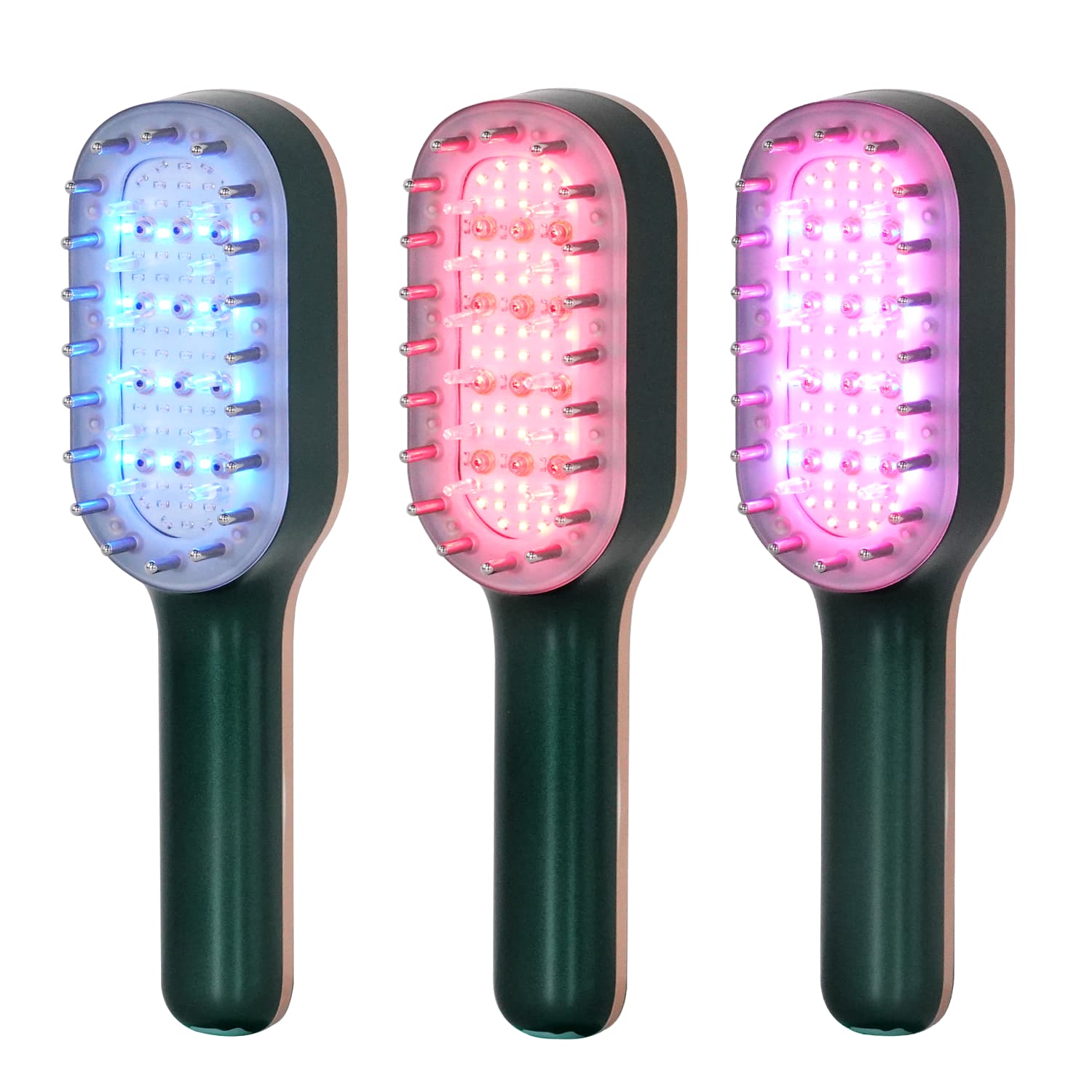
660nm 850nm 治療パネルのパフォーマンスに影響を与える要因: 技術的な詳細

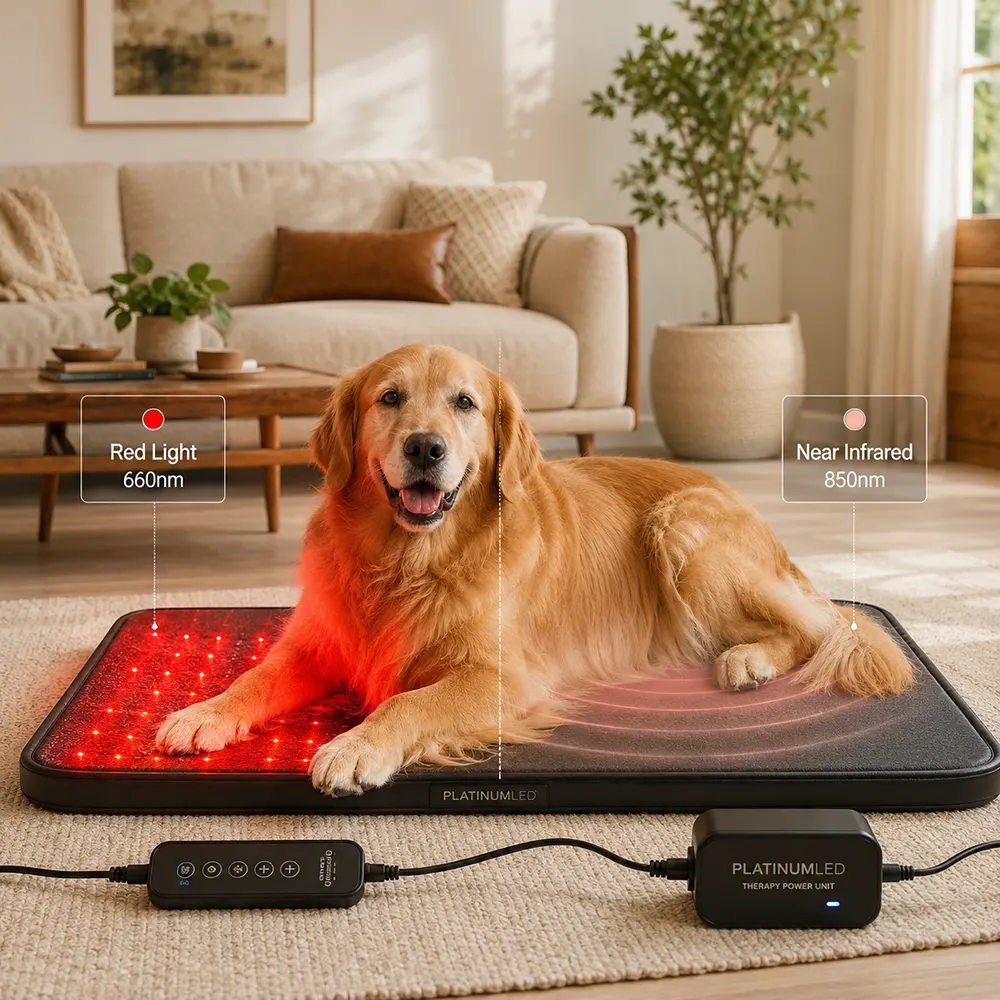
The effectiveness of red light therapy hinges on more than just turning on a panel. For devices combining **660nm **(visible red) and **850nm **(近赤外線) 波長, performance is determined by a complex interplay of engineering, component quality, and usage protocols. Understanding these influencing factors is essential for manufacturers designing OEM products, distributors evaluating suppliers, and end-users seeking optimal therapeutic outcomes.

This guide breaks down the critical variables that impact the real-world performance of dual-wavelength therapy panels, with practical insights drawn from industry standards and advanced manufacturing practices like those employed by Pureluxtech.

LED Chip Quality and Binning Precision

The foundation of any light therapy panel is its LED chips. Not all LEDs are created equal, and variations in quality directly affect output consistency and longevity.

🔹 Chip Brand and Manufacturing Standards

High-performance panels use chips from reputable semiconductor manufacturers (例えば, Epistar, San’an, Bridgelux) that adhere to strict production tolerances. Lower-cost alternatives may use recycled or unbranded chips with inconsistent photon output.

🔹 Binning and Uniformity

Binningrefers to sorting LEDs by wavelength, voltage, and luminous intensity. Poor binning results in:

  • Wavelength drift: Some LEDs emit at 655nm while others hit 665nm, diluting therapeutic specificity.
  • Hotspots and dark zones: Uneven light distribution reduces treatment efficacy.
  • Premature failure: Mismatched electrical characteristics stress the driver circuit.
Pureluxtech Standard: Implements tight binning tolerances (±5nm for wavelength, ±0.1V for forward voltage) across all E Series and Esplus Series panels, ensuring uniform output and extended lifespan.

Wavelength Accuracy and Spectral Stability

Therapeutic benefits of 660nm and 850nm light are wavelength-dependent. Even minor deviations can reduce biological effectiveness.

🔹 Peak Wavelength Tolerance

A panel labeled “660nm/850nm” should maintain peak output within ±5nm of target values. Wider tolerances (±10–15nm) may shift energy into less-effective spectral regions.

🔹 Thermal Wavelength Shift

LED wavelengths can drift as temperature rises. High-quality panels use thermal compensation in driver design to minimize this effect.

🔹 Verification Method

Require spectrometer reports from accredited labs (例えば, SGS, TUV) that show:
  • Peak wavelength measurements
  • Full-width half-maximum (FWHM) bandwidth
  • Output stability over extended operation
💡 チップ用: Ask your supplier for batch-specific spectrometer data—not just generic spec sheets—to verify real-world performance.

Irradiance and Power Density at Treatment Distance

Perhaps the most critical performance metric, 放射照度 (measured in mW/cm²) determines how much therapeutic energy reaches your body.

🔹 Understanding the Metric

  • **Input Power **(Watts): Total electrical consumption—does not equal therapeutic output.
  • **放射照度 **(mW/cm2): Light power per unit area at a specific distance—the true efficacy indicator.

🔹 Distance Dependency

Irradiance follows the inverse-square law: doubling the distance reduces intensity to ~25%. Always verify irradiance at realistic treatment distances (例えば, 6 inches/15 cm).
Panel Model
Irradiance at 6
Ideal Use Case
≧230mW/cm2
Localized treatment (顔, ジョイント)
≧240mW/cm2
Full-torso or limb coverage
≥200 mW/cm²
Large-area clinical applications

🔹 Beam Angle and Lens Design

  • 30° lens: Focused beam for deeper penetration (ideal for pain relief).
  • 60° lens: Wider coverage for surface treatments (ideal for skin health).
  • Hybrid designs: Some Pureluxtech Esplus models use variable-angle optics to balance depth and coverage.
⚠️ Red Flag: Suppliers who only report irradiance at 0 インチ (panel surface) are inflating performance claims.

Thermal Management and Heat Dissipation

High-powered LED arrays generate significant heat. Poor thermal design leads to:
  • Lumen depreciation: Reduced light output over time.
  • Wavelength drift: Thermal shift reduces therapeutic precision.
  • Component failure: Overheating damages drivers and LEDs.

🔹 Effective Heat Sinking

探す:
  • Aircraft-grade aluminum housing with optimized fin geometry.
  • Passive cooling design (no fans) for silent, reliable operation.
  • Thermal interface materials that efficiently transfer heat from LEDs to heatsink.

🔹 Surface Temperature Safety

A well-engineered panel should maintain a safe touch temperature (<50°C/122°F) even after 30 minutes of continuous operation. Pureluxtech’s E Series achieves this through precision-machined aluminum chassis and strategic component placement.

Driver Quality and Power Supply Stability

The driver converts AC power to the precise DC current required by LEDs. Its quality directly impacts:
  • Output consistency: Flicker-free, stable current ensures uniform light emission.
  • Efficiency: High-efficiency drivers (>90%) reduce heat waste and energy costs.
  • Longevity: Quality capacitors and protection circuits extend panel lifespan.

🔹 Key Driver Features to Specify

  • Constant current regulation: Maintains LED brightness despite voltage fluctuations.
  • Pulse mode capability: Enables therapeutic frequencies (例えば, 10Hz, 40Hz) without waveform distortion.
  • Dimming functionality: Smooth 0–100% adjustment without color shift.
  • Protection circuits: Over-voltage, over-current, short-circuit, and thermal shutdown.
Pureluxtech Advantage: Uses custom-designed drivers with medical-grade components, supporting both continuous and pulse modes with <1% ripple factor.

Panel Uniformity and Coverage Area

Therapeutic results depend on consistent light delivery across the treatment zone.

🔹 LED Arrangement Patterns

  • Grid layout: Even spacing minimizes hotspots and shadows.
  • Staggered arrays: Improve overlap for more uniform irradiance.
  • Edge optimization: Additional LEDs at panel borders preventfall-offat treatment edges.

🔹 Coverage vs. Intensity Trade-off

Larger panels cover more area but may sacrifice irradiance if total power isn’t scaled proportionally. Pureluxtech addresses this by:
  • Scaling LED count with panel size (例えば, ES300: 60 LEDs → ES4500: 900 LED).
  • Maintaining consistent irradiance thresholds across the product line.

🔹 Measurement Method

Request irradiance mapping reports that show output distribution across the panel surface—not just a single-point measurement.

Treatment Protocols and Usage Factors

Even a perfectly engineered panel underperforms if used incorrectly. Key user-dependent variables include:

🔹 Treatment Distance

  • Optimal range: 4–8 inches (10–20 cm) for most applications.
  • Too close: Reduces coverage area; may cause discomfort.
  • Too far: Dramatically reduces irradiance due to inverse-square law.

🔹 Session Duration and Frequency

  • Dosing principle: Therapeutic effect follows a biphasic curve—more isn’t always better.
  • Typical protocol: 10– 1エリアあたり20分, 3– 週5回.
  • 一貫性: Regular sessions yield cumulative benefits; sporadic use limits results.

🔹 Skin and Tissue Factors

  • Skin tone: Melanin absorbs some red light; darker skin may require slightly longer sessions.
  • Clothing: Light must reach skin directly—fabric blocks therapeutic wavelengths.
  • 水分補給: Well-hydrated tissues transmit light more efficiently.

テスト, Verification, and Quality Assurance

Reliable performance requires rigorous validation at every production stage.

🔹 Factory-Level QC Protocols

Test
Purpose
頻度
Spectrometer verification
Confirm wavelength accuracy
Per batch
Irradiance mapping
Validate power distribution
Per unit
Aging test (48-hour burn-in)
Identify early failures
100% of units
Thermal imaging
Detect hotspots or cooling issues
Random sampling
Drop/vibration test
Ensure shipping durability
Per production run

🔹 Third-Party Certification

Independent lab reports (SGS, TUV, Intertek) provide objective validation of:
  • 波長精度
  • Irradiance claims
  • Electrical safety compliance
  • EMC/EMI performance
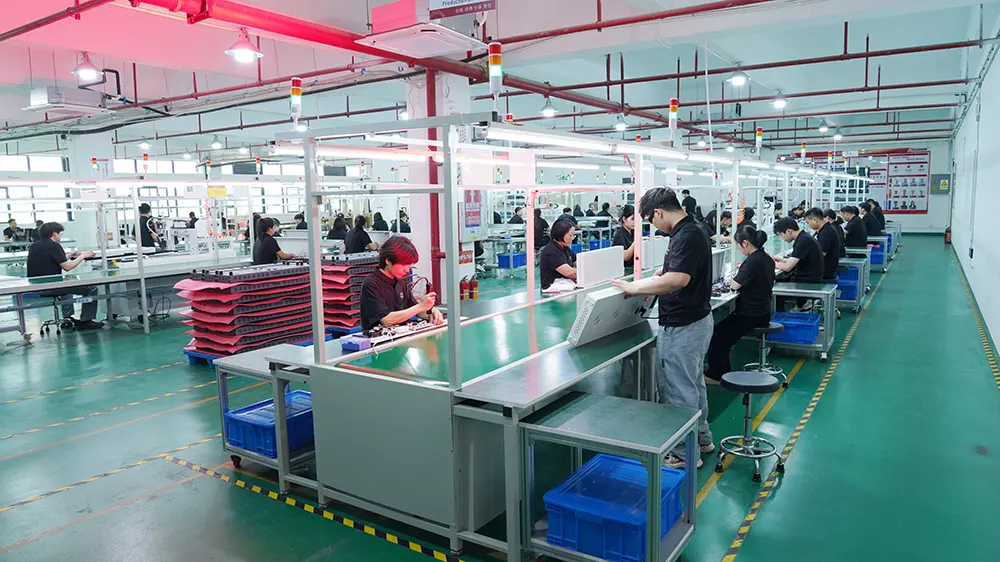
Pureluxtech Commitment: All E Series and Esplus Series panels undergo 100% aging tests and random spectrometer verification, with certification documentation available for wholesale partners.

Build Quality and Long-Term Reliability

Performance isn’t just about initial output—it’s about maintaining that output over years of use.

🔹 Material Selection

  • Housing: Aluminum alloy (not plastic) for heat dissipation and durability.
  • Lens: Optical-grade PMMA or glass with anti-reflective coating.
  • Connectors: Gold-plated, strain-relieved cables for reliable power delivery.

🔹 Environmental Resilience

Consider operating conditions:
  • Humidity resistance: Important for spa or bathroom use.
  • Dust protection: Sealed designs prevent particle accumulation on LEDs.
  • Voltage tolerance: Wide input range (100–240V AC) supports global use.

🔹 Warranty as a Performance Indicator

A manufacturer’s warranty length reflects confidence in component quality:
  • 1-年保証: Standard for budget panels.
  • 3-年保証: Indicates mid-tier quality.
  • 5-年保証: Signals premium engineering (例えば, Pureluxtech E/Esplus series).

Practical Checklist: Evaluating Panel Performance

Use this quick reference when comparing 660nm/850nm therapy panels:
  • Wavelength verification: Spectrometer report showing ±5nm tolerance
  • Irradiance data: Measured at 6 インチ, not just panel surface
  • Thermal design: Aluminum housing with passive cooling
  • Driver specs: Constant current, pulse mode support, protection circuits
  • Uniformity mapping: Irradiance distribution across panel surface
  • 認証: CE, RoHS, FCC, FDA registration as applicable
  • Warranty terms: Minimum 3 年, ideally 5 年
  • Sample testing: Always evaluate a pre-production unit before bulk ordering

結論: Engineering Excellence Drives Therapeutic Results

The performance of a 660nm 850nm therapy panel is not accidental—it’s the result of deliberate engineering choices at every stage of design and manufacturing. From LED binning precision to thermal management, from driver stability to real-world irradiance validation, each factor contributes to the device’s ability to deliver consistent, clinically relevant outcomes.

For businesses developing private-label products, prioritizing these specifications ensures your brand stands for efficacy and reliability. For end-users, understanding these factors empowers smarter purchasing decisions and more effective treatment protocols.

Pureluxtech exemplifies this performance-first approach through:

  • Tight wavelength tolerances and spectrometer-verified output
  • High irradiance levels maintained across scalable panel sizes
  • Advanced thermal design enabling 50,000+ hour LED lifespan
  • Customizable OEM solutions that don’t compromise on core specifications
  • A 5-year warranty backed by rigorous factory-level QC

In the evolving landscape of photobiomodulation, specifications are promises. By focusing on the factors that truly influence performance, you ensure those promises translate into real results—for your customers, your brand, and your business.

🔍 Ready to Engineer Performance? Partner with Pureluxtech to develop OEM red light therapy panels that meet the highest technical standards. Request a specification sheet, sample unit, or custom proposal today.
投稿をシェアする:

著者について

チーム Pureluxtech は、世界的な健康への共通の献身を持つ個人の献身的なチームであり、光と人生を変えるその力に深くインスピレーションを受けています. 私たちは、世界中の人々の健康と福祉を改善するソリューションを提供することで、世界をより良い場所にすることに情熱を持っています。.

新しい赤色光理学療法ランプのメーカーをお探しですか??

当社はお客様に赤色光療法ソリューションを迅速に提供できます, テクニカルサポートとカスタマイズされたサービス.

製品カテゴリー

製品を目立たせるためにカスタマイズ可能なレーザー波長を提供します. すべてのお問い合わせについて, お気軽にお問い合わせください:

簡単な即時見積もり

当社の専任チームがいつでもお客様の質問やニーズに迅速に対応する準備ができています, 効率的でパーソナライズされたサポートを提供する!