光生体調節 (PBM) 業界は前例のない成長を遂げています, ウェルネス関連の新興企業からプライベートブランドの光線療法装置の発売を目指す老舗の診療所まで、さまざまな企業が参加. しかし, 成功した製品とコストのかかる失敗の違いは、多くの場合、技術的な詳細にあります. 追求するとき OEM赤色光および近赤外線治療パネル, 主要な仕様と製造要素を理解することが重要です. これらの要素は、デバイスの治療効果だけでなく、その安全性も決定します。, 長寿, そしてブランドの評判.
このガイドでは、OEM メーカーと提携する際に評価する必要がある重要な技術仕様と運用上の要素について詳しく説明します。. コンパクトなホームユニットを設計している場合でも、臨床グレードの全身システムを設計している場合でも, これらの洞察は、製造の複雑さを乗り越え、最終製品が最高の業界基準を確実に満たすようにするのに役立ちます。.
波長精度とスペクトル構成
光療法装置の基礎はその波長出力です. 治療効果はナノメートルに非常に特異的です (nm) 範囲, 精度を交渉の余地のないものにする.
🔹 臨界波長
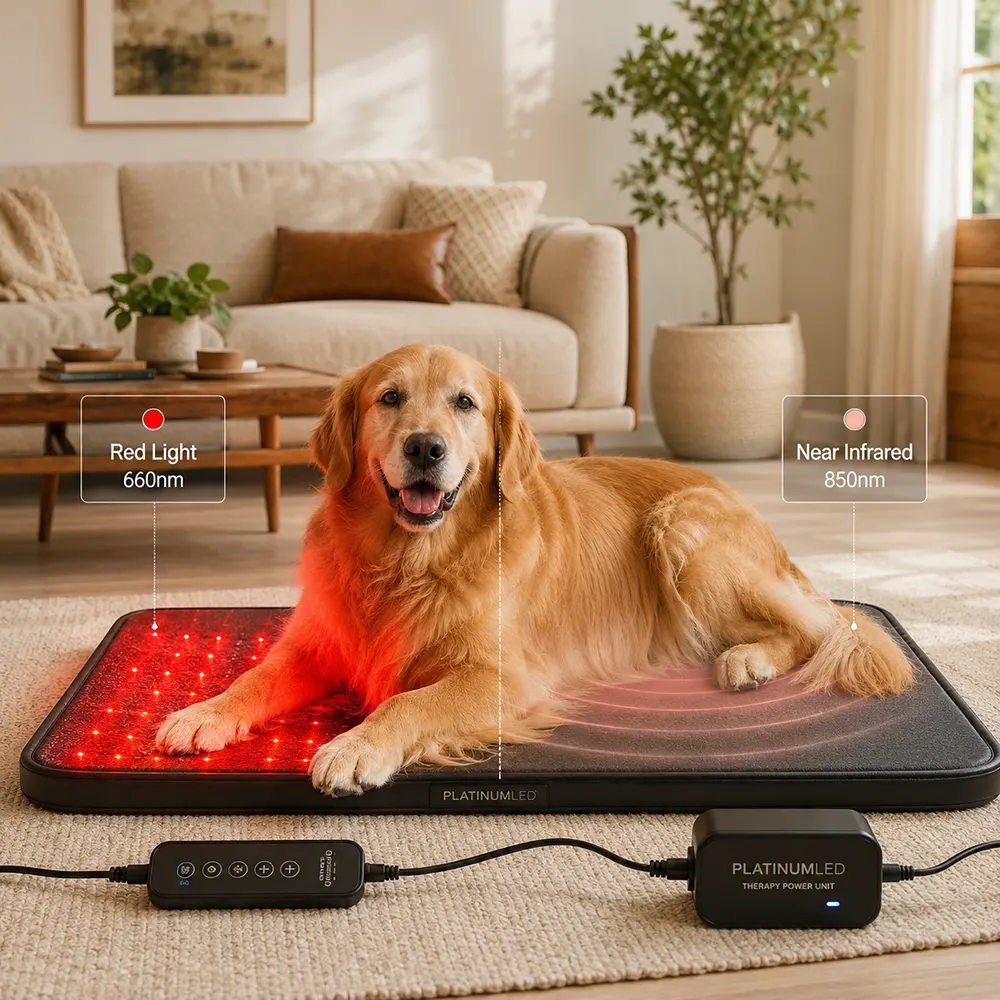
- 630nm~660nm (目に見える赤): 主に皮膚層から吸収されます. コラーゲン生成に最適, 傷の治癒, そして表面の炎症.
- 810nm~850nm (近赤外線): 筋肉の奥深くまで浸透します, 骨, そして神経組織. 痛みの軽減に欠かせない, 筋肉の回復, そして関節の健康.
- 940nm & 1060nm (拡張NIR): より深い循環と特定の代謝プロセスに使用される新たな波長.
🔹 許容レベル
低コストの OEM 製造における一般的な落とし穴は、波長許容範囲が広いことです. と書かれたパネル “850nm” 実際には840nmから870nmの範囲で放射する可能性があります. 高品質なメーカー, ピュアラックステックなど, 厳しい許容レベルを維持する (通常±5nm) 一貫した生物学的効果を確保するため. OEM注文を指定する場合, ピーク波長が治療上の主張と一致していることを確認するために、生産バッチごとに分光計のテストレポートが必要です.
🔹 スペクトルの理由
対象ユーザーに基づいて赤色 LED と NIR LED の比率をカスタマイズできます。. 肌に焦点を当てたデバイスでは、 1:1 比率, 一方、鎮痛パネルはNIRを優先するかもしれない (例えば, 1:2). Pureluxtech の E シリーズおよび Esplus シリーズは、配電を損なうことなく、これらの特定の比率要件に対応する柔軟な PCB 設計を可能にします。.
放射照度と出力密度
業界で最も誤解されている仕様の 1 つは、入力電力の違いです。 (ワット) 出力放射照度 (mW/cm2). 多くの消費者は、ワット数が高いほど治療効果が高いと考えています, しかし、特定の距離での放射照度が有効性の真の指標です.
🔹 放射照度を理解する
放射照度は、特定の領域に到達する光のパワーを測定します。. 効果的な光生体調節のために, 臨床研究では、多くの場合、治療部位での放射照度レベルが 50 ~ 200 mW/cm² であることが推奨されています。.
- 家庭用: ≥100 mW/cm2 で 6 通常はインチで十分です.
- 臨床使用: ≥200 mW/cm2 で 6 インチにより、治療時間が短縮され、より深い浸透が可能になります。.
🔹 測定基準
OEM パートナーが標準化された距離で放射照度を測定していることを確認します。 (例えば, 0 インチ, 6 インチ, 12 インチ). 一部のメーカーは次のように測定します。 0 数字を膨らませるためのインチ, ユーザーがパネルに触れている間は皮膚を治療できないため、誤解を招きます。. Pureluxtech は放射照度を次のように指定します。 6 インチ (例えば, ES300 ≥230 mW/cm²), 現実的なパフォーマンスの期待を提供する.
🔹 光学レンズ設計
レンズの角度は光の分布に影響します. 60 度のレンズは光をより広範囲に広げますが、距離が離れると強度が低下します。. 30度のレンズが光を集中させてより深く浸透します. OEMパネル用, 意図した使用例に基づいてレンズ角度を指定します。全身をカバーする場合はより広くなります。, 局所的な痛みを軽減するためにより狭い.
LED チップの品質とアーキテクチャ
パネルの心臓部はLEDチップです. 粗悪なチップを使用すると、ルーメンが急速に低下します (調光) 時間の経過に伴う波長の変化.
🔹 チップのブランドとビニング
評判の良いメーカーは確立されたサプライヤーからのチップを使用しています (例えば, エピスター, 三安, ブリッジラックス). “ビニング” パネル全体の均一性を確保するために、波長と電圧によって LED を分類することを指します。. ビニングが不十分な場合、ホットスポットや一貫性のない治療が発生します.
- 標準LED: チップごとに単一波長.
- デュアルチップテクノロジー: Pureluxtech の Esplus シリーズに見られるように, デュアルコアチップは単一のハウジングから赤色とNIRの両方を放射します. これにより、エネルギー密度が向上し、熱を大幅に増加させることなく、より高い出力が可能になります。.
🔹 寿命評価
L70 または L80 の評価を探す, LED 出力が低下するまでの時間数を示します。 70% または 80% 本来の明るさの. 高品質の OEM パネルは保証する必要があります 50,000+ 使用可能時間の時間. これは保証コストと顧客満足度に直接影響します。.
熱管理と筐体設計
高出力LEDパネルは発熱します. 適切な熱管理が行われていない場合, パフォーマンスが低下する, 安全上のリスクが増大する.
🔹 ヒートシンク
ハウジングは、熱を受動的に放散するために最適化されたフィン構造を備えた高級アルミニウムで作られている必要があります。. 高ワット数パネルのプラスチック製ハウジングは熱がこもりやすいため避けてください。.
- パッシブ冷却: 静けさ, 信頼性のある, 家庭や診療所での使用に最適.
- アクティブ冷却 (ファン): より高い電力を処理できますが、ノイズや機械的故障点が発生します。.
🔹 表面温度
適切に設計されたパネルは、長期間使用した後でも触れても安全である必要があります。. 最大表面温度しきい値を指定する (例えば, <50℃) OEM契約で. Pureluxtech のアルミニウム筐体設計により、効率的な熱放散が保証されます。, 20分間のセッション中でも安定した出力を維持.
制御システムとユーザーエクスペリエンス
ユーザー インターフェイスは、顧客がブランドと対話する方法です. ぎこちない、または信頼性の低い制御システムは、最高の軽量エンジンでさえも台無しにする可能性があります.
🔹 機能要件
- タイマー: デフォルト設定 (例えば, 10/15/20 分) 自動シャットオフ付き.
- 調光: 調整可能な強度 (0–100%) 感度管理用.
- パルスモード: 特定の周波数 (例えば, 10炎症の場合はHz, 40神経学的サポートのための Hz) 正確なドライバープログラミングが必要.
- メモリー機能: 便宜上、最後に使用した設定を記憶します.
🔹 接続性
高度な OEM オプションには、アプリ制御用の Bluetooth または Wi-Fi 接続が含まれます, ユーザーが治療履歴を追跡できるようにする. これによりコストが増加しますが、, プレミアム製品を差別化する. Pureluxtech は、リクエストに応じてこれらのスマート機能を統合できるカスタマイズ可能な制御ボードをサポートしています.
🔹 デイジーチェーン接続
臨床現場向け, 複数のパネルを単一の電源に接続する機能 (デイジーチェーン接続) 貴重な機能です. 電源と回路が累積負荷を安全に処理できるように設計されていることを確認してください.
安全認証とコンプライアンス
世界市場に参入するには、厳格な規制基準を遵守する必要があります. コンプライアンス違反は貨物の差し押さえにつながる可能性があります, 罰金, または責任問題.
🔹 必須の認定資格
- CE & RoHS: 欧州市場では必須 (電気の安全性と危険物質).
- FCC: 米国で販売される電子機器に必須.
- FDA登録: FDAはそうではありませんが、 “承認する” 光線療法装置, 施設の登録とリストは米国にとって極めて重要です. 市場の信頼性.
- IEC 60601-1: 医用電気機器の安全基準 (オプションですが、臨床上の主張には推奨されます).
🔹 電気の安全性
電源がUL/CE認定を受けており、過電圧に対する保護機能が備わっていることを確認してください。, 過電流, そして短絡. OEM パートナーは、認定されたサードパーティ ラボからのテスト レポートを提供する必要があります。 (例えば, SGS, TUV).
カスタマイズ機能とMOQ
OEM の主な利点の 1 つはブランディングです。. しかし, カスタマイズレベルはサプライヤーによって異なります.
🔹 ブランドオプション
- ロゴの配置: レーザー彫刻, スクリーン印刷, またはメタルバッジ.
- 包装: カスタムボックスデザイン, マニュアル, 複数の言語で挿入されます.
- 色: 筐体色のカスタマイズ (例えば, マットブラック, 白, 銀).
🔹 最低注文数量 (MOQ)
標準モデルはMOQが低いことが多い (例えば, 50–100単位). 完全にカスタム設計 (新しい金型, ユニークなPCB) 必要になる場合があります 500+ 単位. Pureluxtech はスタートアップ向けに柔軟な MOQ 構造を提供します, ブランドが規模を拡大する前に、より低いリスクで市場をテストできるようになります.
🔹 リードタイム
通常の生産時間はカスタマイズに応じて 15 ~ 45 日です。. 発売スケジュールに合わせて事前にこれを明確にしてください.
品質保証と保証
ブランドの評判は製品の信頼性と結びついています. 堅牢な QA プロセスが不可欠です.
🔹 テストプロトコル
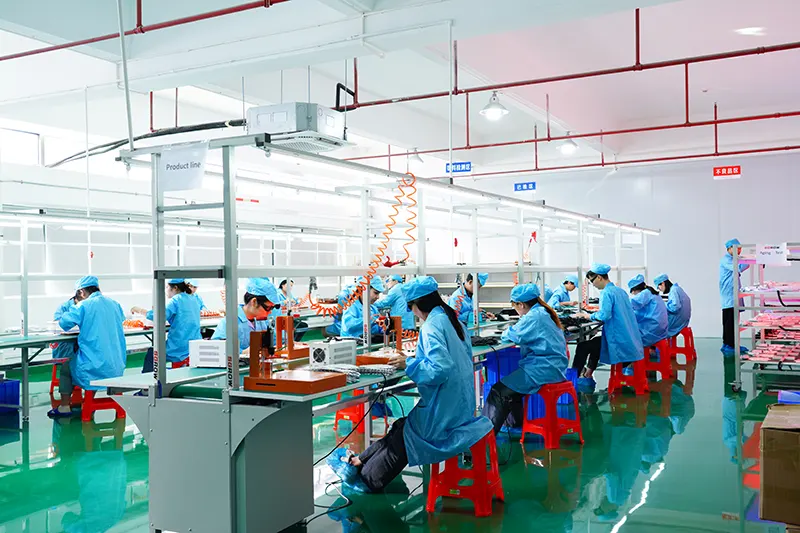
工場のQC手順について尋ねる:
- 老化試験: 出荷前にパネルを 24 ~ 48 時間稼働させて初期不良を特定する.
- 分光計のチェック: ランダムサンプリングによる波長精度の検証.
- 落下試験: 輸送中にユニットを確実に保護する梱包.
🔹 保証条件
標準保証範囲は 1 ~ 3 年です. 5年間の保証, Pureluxtech が E および Esplus シリーズで提供しているものと同様, コンポーネントの品質に対する並外れた信頼を示しています. LED アレイと電源の両方が保証対象であることを確認してください, RMA を明確にする (商品返品の承認) 不良品の処理.
OEM が避けるべき一般的な間違い
- 価格のみに焦点を当てる: 安価なユニットでは、リサイクルされたチップや粗悪なドライバーが使用されていることがよくあります, 高い返品率につながる.
- 熱管理の無視: 過熱は寿命を縮め、安全上の危険をもたらす可能性があります.
- 曖昧な仕様: 常に正確な波長を定義する, 放射照度レベル, および書面による公差.
- サンプルのスキップ: 量産前サンプルを直接テストせずに大量注文をしないでください。.
結論: 品質の伝統を築く
OEM 赤色光および近赤外線治療パネルの開発は、ブランドの将来への戦略的投資です. 正確な波長を優先することで, 検証された放射照度, 高品質のLEDチップ, 堅牢な安全基準, 製品が顧客に真の治療的価値を確実に提供できるようにする.
Pureluxtech のような経験豊富なメーカーと提携することで、高度なテクノロジーへのアクセスが可能になります (デュアルコアチップや拡張NIR波長など), 柔軟なカスタマイズ, 5 年間の保証に裏付けられた品質へのこだわり. ES300 のような家庭用モデルから ESPLUS1500 のような臨床システムまで拡張する専門知識により、市場セグメントに関係なくニーズを満たすことができます。.
競争の激しいウェルネス環境において, 仕様は単なる数値ではなく、顧客との約束です. 賢明に選択してください, 徹底的に検証する, 時の試練に耐える製品を構築する.
OEM プロジェクトを開始する準備ができました? 仕様については、今すぐ Pureluxtech にお問い合わせください。, サンプルをリクエストする, または卸売カタログをダウンロードしてください. 次世代の光線療法を一緒に設計しましょう.