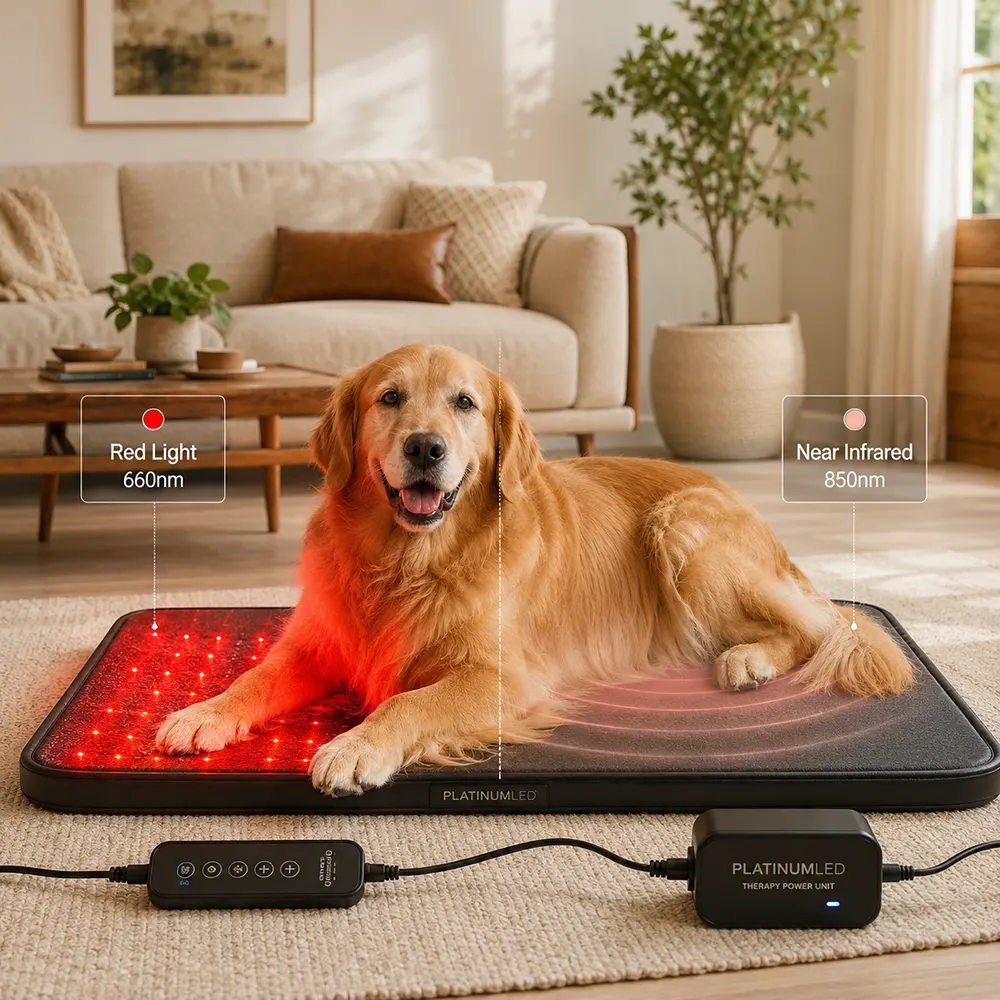
赤色光療法を研究している場合, あなたはおそらく 2 つの数字を繰り返し目にしたことがあるでしょう: 660nmと850nm. これらの波長は、皮膚の健康のための光生体調節において最も科学的に検証され、一般的に使用されるオプションを表します。. しかし、彼らは具体的に何をしているのでしょうか, そしてさらに重要なことは、あなたの肌がどれを必要としているかということです。?
その答えはあなたを驚かせるかもしれません: どちらかを選択することではありません, しかし、それらがどのように連携するかを理解する. 肌の若返りのための 660nm 赤色光と 850nm 近赤外線療法の科学を深く掘り下げてみましょう.
基本: 光が肌とどのように相互作用するか
波長を比較する前に, 光療法はフォトバイオモジュレーション(特定の波長の光が細胞内のミトコンドリアに吸収されるプロセス)を通じて機能することを理解することが重要です。, 有益な生物学的反応のカスケードを引き起こす .
光の光子が皮膚に侵入すると, シトクロムCオキシダーゼによって吸収されます, ミトコンドリア呼吸鎖の重要な酵素 . この吸収によりATPが増加します (細胞エネルギー) 生産, 酸化ストレスを軽減します, そして炎症を調節します . しかし, 異なる波長は異なる深さまで浸透します さまざまな種類の細胞に影響を与えます .
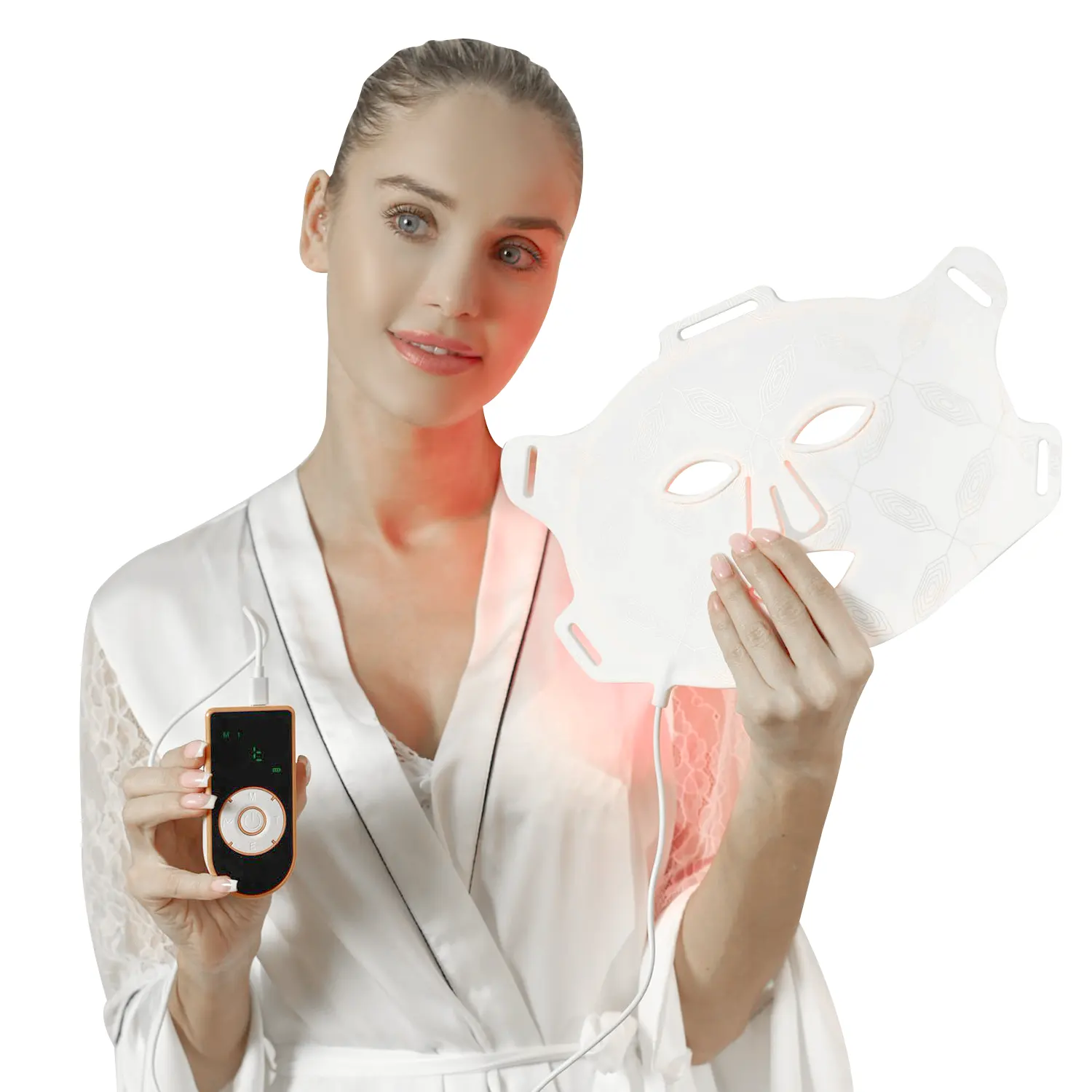
660nm赤色光とは何ですか?
660nm 可視赤色光スペクトル内に位置し、スキンケアに焦点を当てたフォトバイオモジュレーションに広く使用されています。.
660nmの主な特徴
-
目に見える赤色光
-
およそ浸透します 2皮膚に –5 mm
-
対象となるのは、 表皮と真皮上部
660nm の肌への利点
660nmは主に以下に関連しています 美容上の肌の改善, 含む:
-
コラーゲンの生成を刺激する
-
小じわやしわを軽減する
-
肌の色合いと質感を改善する
-
肌の弾力性を高める
-
表面レベルの修復を促進する
浸透深さがあるので、, 660nmはこんな方に最適です アンチエイジングと肌の若返り治療.
850nm近赤外線とは?
850nm に属します 近赤外線 (近赤外) スペクトラム, 人間の目には見えませんが、深部組織の刺激に非常に効果的です.
850nmの主な特徴
-
目に見えない近赤外線
-
まで浸透します 5–10mm以上
-
に達します 真皮深層と皮下層
肌 & 850nm の組織への利点
850nmは表面下で機能します, サポートする:
-
深部組織の修復
-
炎症の軽減
-
血液循環の改善
-
より迅速な回復プロセス
-
細胞再生の強化
660nm のように表面の外観を直接改善するわけではありませんが、, それ 皮膚の基礎構造をサポートします, 長期的な皮膚の健康にとって重要です.
660nm vs 850nm: 並べて比較
| 特徴 | 660nmレッドライト | 850nm近赤外線 |
|---|---|---|
| ライトタイプ | 目に見える赤 | 目に見えない赤外線 |
| 浸透深さ | 2–5mm | 5–10mm以上 |
| 対象エリア | 表皮 & 真皮上部 | 真皮深部 & 組織 |
| 主なメリット | アンチエイジング & コラーゲン | 修理 & 回復 |
| ベストユース | しわ, 肌の色 | 炎症, 深い修理 |
最良のデバイスが両方を兼ね備えている理由
赤色光療法の真の力は、 660nmと850nmの組み合わせ.
なぜ?
なぜなら、肌の健康は表面の外観だけではなく、 その下で何が起こっているのか.
660nmハンドル:
-
目に見える肌の改善
-
コラーゲン合成
-
テクスチャの改良
850nmハンドル:
-
より深い組織の修復
-
炎症の軽減
-
長期的な肌サポート
一緒に, 彼らは フルスペクトル皮膚療法システム.
プロフェッショナル LED マスクがこれらの波長をどのように使用するか
最新の LED フェイスマスクは、複数の波長を 1 つのデバイスに組み合わせるように設計されています, ユーザーがターゲティングできるようにする 複数の皮膚層を同時に.
以下は、高度な LED マスクがこれらのテクノロジーをどのように統合するかの例です。.
例 1: G13 レッドライトセラピーシリコンマスク
の G13 LEDマスク で設計されています 多波長システム, 可視光と近赤外線の両方を含む.
主な仕様
-
LEDの数: 104 LED
-
波長: 530 / 590 / 660 / 830nm
-
材料: 柔軟なシリコン
-
モード: 4 モード + 明るさ調整
なぜそれが重要なのか
-
660nm赤色光 コラーゲンとアンチエイジングをサポート
-
830nm近赤外線 850nmと同様のより深い浸透を実現
-
柔軟なシリコンにより、 皮膚に密着させて吸収を良くする
これにより、G13 は次のような場合に強力な選択肢になります。 バランスの取れたスキンケアアプリケーション.
例 2: G10 LED ライト セラピー マスク
の G10 LEDマスク のために設計されています フルスペクトルの皮膚療法, 臨床的に関連する複数の波長を組み合わせる.
主な仕様
-
LEDの数: 128 デュアルチップLED
-
波長: 590 / 630 / 830 / 850nm
-
材料: 食品グレードのシリコーン
-
バッテリー: 3000mAh充電式
-
構造: フレキシブルFPC基板
なぜそれが重要なのか
-
結合します 赤い光 (630nm) と 近赤外線 (850nm)
-
両方をサポート 表面の若返りと深層修復
-
高い LED 密度により確実に 均一な配光
ブランドおよび代理店向け, このタイプのデバイスは、 1枚のマスクで完全なアンチエイジングソリューション.
どの波長が肌に良いのか?
ここが多くの購入者が誤解するところです.
660nmと850nmのどちらを選択するかということではありません.
それは自分の目標を理解することです.
焦点を合わせる場合は 660nm を選択してください:
-
しわやほうれい線
-
肌の色合いと明るさ
-
表面レベルの老化防止
焦点を合わせる場合は 850nm を選択してください:
-
炎症
-
より深い皮膚修復
-
長期的な皮膚の健康
必要に応じて両方を選択してください:
-
総合的な皮膚療法
-
より速く目に見える結果が得られる
-
長期的な構造改善
電力密度の役割
波長だけでは不十分.
実際の結果を達成するには, デバイスは十分な量を提供する必要があります 放射照度 (mW/cm2).
一般的な有効範囲:
-
30–50mW/cm² → スキンケア用途
-
50+ mW/cm2 → 深部組織への刺激
プロフェッショナル向け LED マスクは、顔全体で安定した出力を維持するように設計されています。, 一貫した治療を保証する.
フィット感と素材が重要な理由
たとえ正しい波長であっても, マスクの設計が悪いと効果が低下する可能性があります.
主な要因には以下が含まれます::
1. フェイシャルフィット
-
柔軟なシリコンマスクで改善 光吸収
-
隙間からのエネルギーロスを軽減
2. 製品の安全性
-
食品グレードまたは医療グレードのシリコーン
-
低発熱
-
皮膚に安全な接触材料
3. LED配光
-
均等な配置により確実に 均一な治療
-
不均一な結果を防ぐ
G10 や G13 などのデバイスには、 柔軟な構造と最適化された LED レイアウト, 現実世界のパフォーマンスを大幅に向上させます.
レッドライトセラピーマスクを選ぶ際のよくある間違い
多くのバイヤーは技術仕様ではなくマーケティング上の主張に焦点を当てています.
これらのよくある間違いを避けてください:
❌ 色数だけで選ぶ
❌ 波長精度を無視する
❌ 電力密度の見落とし
❌ フィット感の悪い硬いマスクを購入する
❌ 安全性とコンプライアンスの無視
LED 皮膚療法の未来
LED スキンケア業界は、:
-
多波長システム
-
柔軟なウェアラブルデザイン
-
より高いLED密度
-
改良されたバッテリーシステム
-
臨床グレードの家庭用デバイス
の組み合わせ 660nm + 850nm ~の業界標準になりつつあります 先進的な赤色光療法マスク.
最終的な考え
比較する場合 660皮膚に対するnmと850nmの赤色光療法, 重要なポイントはシンプルです:
これらは競合他社ではなく、補完的なテクノロジーです.
-
660nm は見ているものを改善します
-
850nm は目に見えないものをサポートします
一緒に, 彼らはのための完全なシステムを作成します:
-
アンチエイジング
-
皮膚の修復
-
長期的な皮膚の健康
スキンケアブランド向け, 販売代理店, そして消費者も同様に, G13 や G10 などの高度な LED マスクなど、両方の波長を組み合わせたデバイスを選択すると、 より効果的で一貫した結果.
引用:
[1] 願い, A., & Matuschka, K. (2014). 患者の満足度における赤色および近赤外線治療の有効性を判定するための対照試験, 小じわの軽減, しわ, 肌あれ, 皮内のコラーゲン密度の増加. 光線医学とレーザー手術, 32(2), 93–100.
[2] クォン, H. H., 他. (2013). 家庭用使用の臨床的および組織学的効果, 韓国人患者の軽度から中等度の尋常性座瘡に対する青赤LED併用光線療法: 二重盲検, ランダム化比較試験. 英国皮膚科学会雑誌, 168(5), 1088–1094.
[3] ハンター, P., 他. (2013). 低レベルレーザー (ライト) 治療 (LLLT) 皮膚の中で: 刺激的な, ヒーリング, 復元する. 皮膚科・外科セミナー, 32(1), 41–52.
[4] リー, S. Y., 他. (2013). しわを軽減するための自己適用型家庭用低レベル光線治療装置の臨床評価. 皮膚外科, 39(11), 1657–1664.
[5] Sadick, N. S., 他. (2015). 光老化皮膚の治療における新しいハンドヘルド発光ダイオード装置の有効性を決定する研究. 外科および医療におけるレーザー, 47(6), 496–502.
[6] 金, M. H., 他. (2018). 軽度から中等度のニキビに対する家庭用ブルーライト療法の臨床効果. 臨床および美容皮膚学のジャーナル, 11(5), 23–28.
[7] Ablon, G. (2019). 830nmと633nmの発光ダイオード光線療法の組み合わせは、難治性乾癬の治療に有望である: 予備調査結果. 皮膚科学における薬物ジャーナル, 18(2), 172–176.
[8] バロレット, D., 他. (2020). パルスを使用した in vitro での皮膚コラーゲン代謝の調節 660 nm LED光源. 美容皮膚科学ジャーナル, 19(6), 1351–1359.