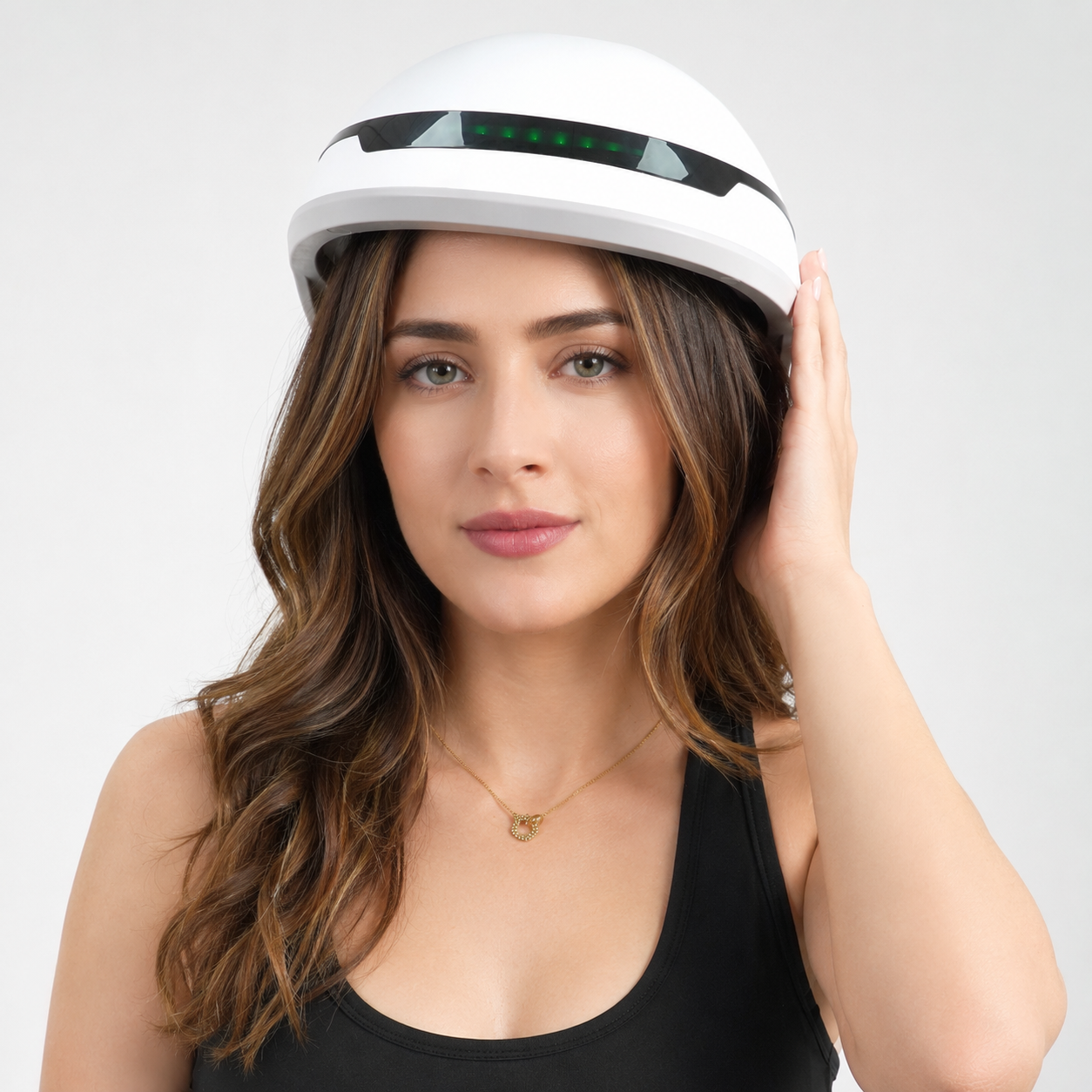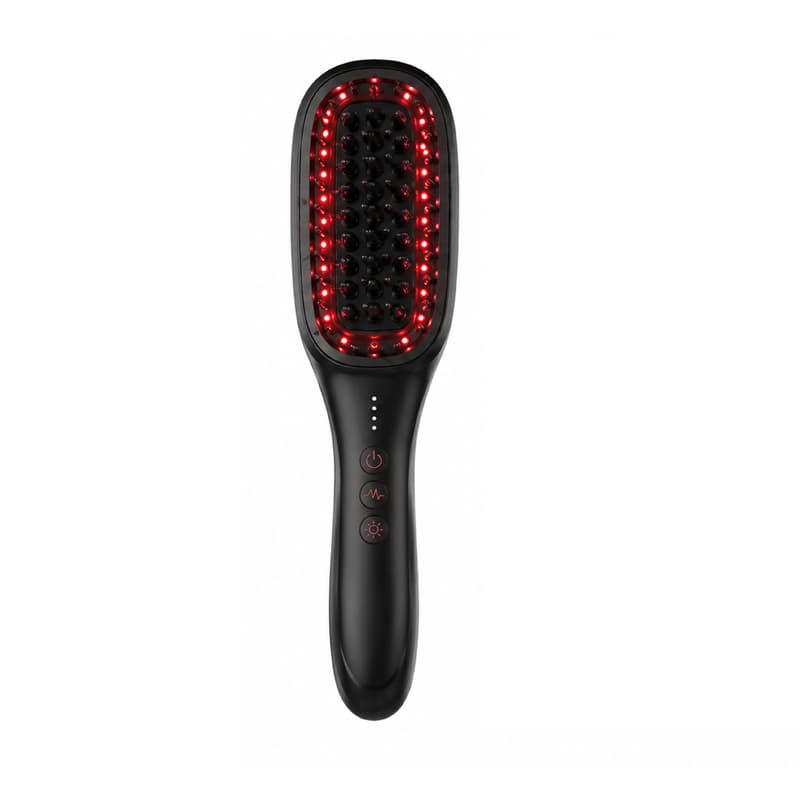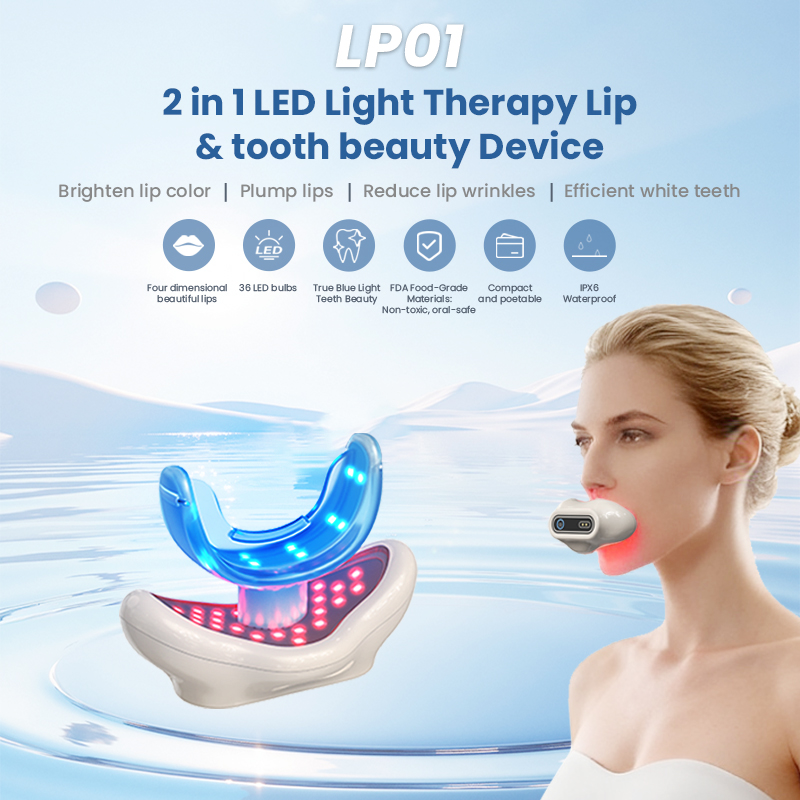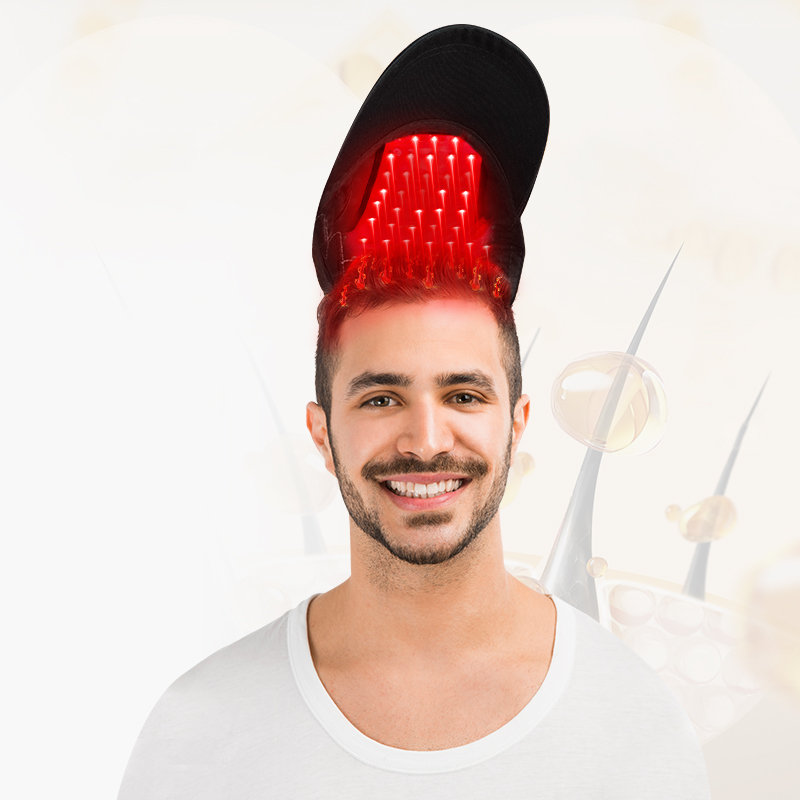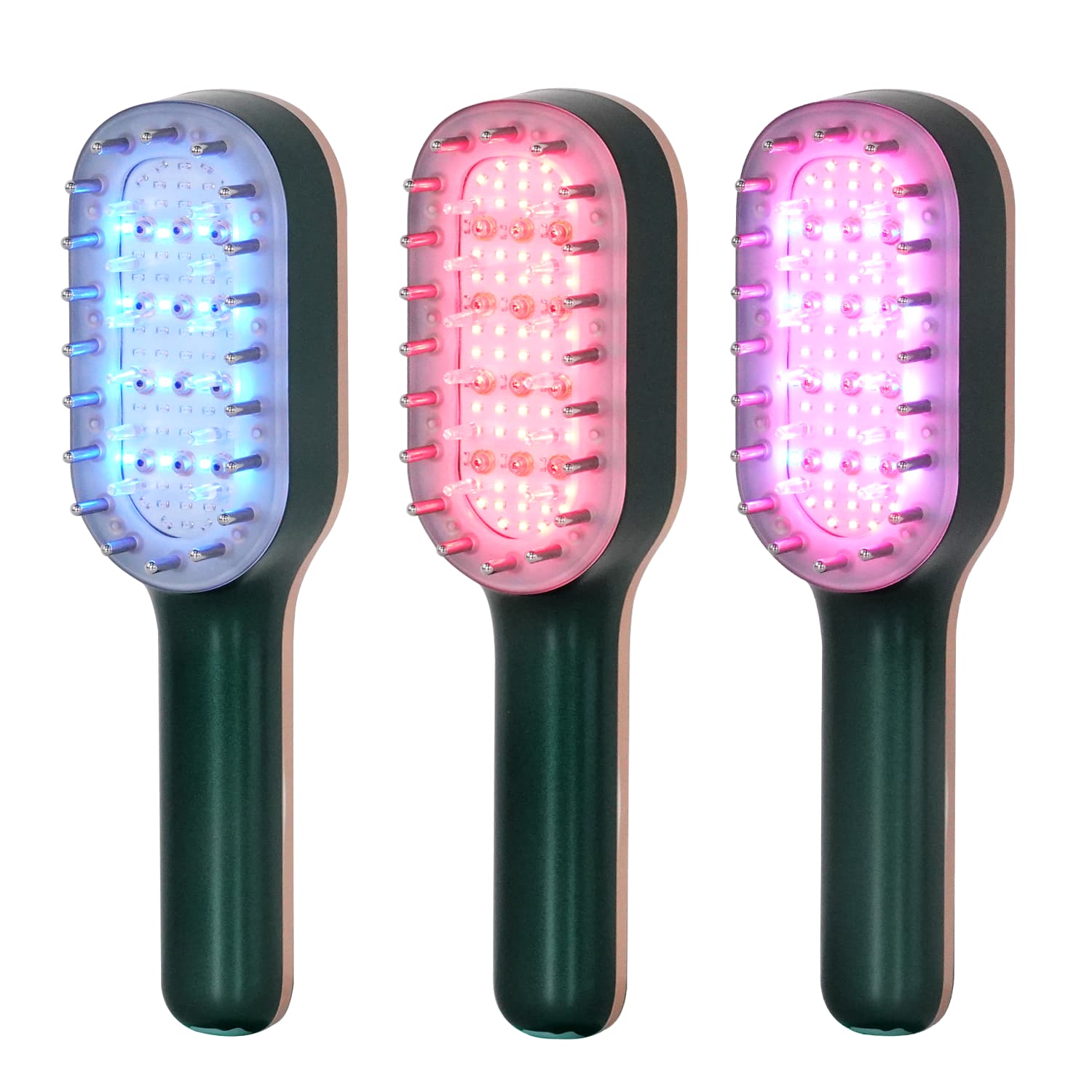
くすみのない肌を目指して, レッドライトセラピー 最も有名なイノベーションの 1 つとして輝いています. ソーシャルメディアのスキンケア愛好家からハーバード大学の皮膚科医まで, 若さを若返らせるこのテクノロジーについて誰もが話題にしています. 高品質の LED マスクにすでに投資している場合, またはこのテクノロジーを日常生活に追加することを検討しています, 燃えるような質問は: 結果を最大化するには, 実際にどのくらいの頻度で顔に赤色光療法を行うべきですか?
率直な答えとしては, ほとんどの皮膚科医や機器メーカーは、次の頻度を推奨しています。 5-7 週に何回か (ほぼ毎日という意味), セッションが継続している状態で 10-20 それぞれ分 重要な臨床結果を達成するために.
しかし、これの背後にある科学は何ですか? なぜ頻度がそれほど重要なのか? さまざまな肌タイプや懸念事項には調整が必要です? 今日, 赤色光療法の最適な周波数を解明しましょう, ハーバード・ヘルス・パブリッシングと最近の臨床研究からの洞察を活用.
なぜ頻度が重要なのか
赤色光療法は次のような効果をもたらします。 光生体調節, 細胞活動とコラーゲン生成を刺激するプロセス.
しかし, このプロセスは 累積, 即時ではない.
つまり、:
-
使用量が少なすぎる → 最小限の結果
-
使いすぎる → 追加のメリットがない不必要な露出
-
継続的な使用 → 最適な肌改善
適切なバランスを見つけることが重要です.
セルラーの原理 “充電”: 不一致が機能しない理由
必要な周波数を理解するには, まず赤色光療法がどのように機能するかを理解する必要があります. 熱で組織を焼いて皮膚を修復するわけではありません (フラクショナルレーザーのような). その代わり, として知られる生物学的プロセスを通じて機能します。 光生体調節.
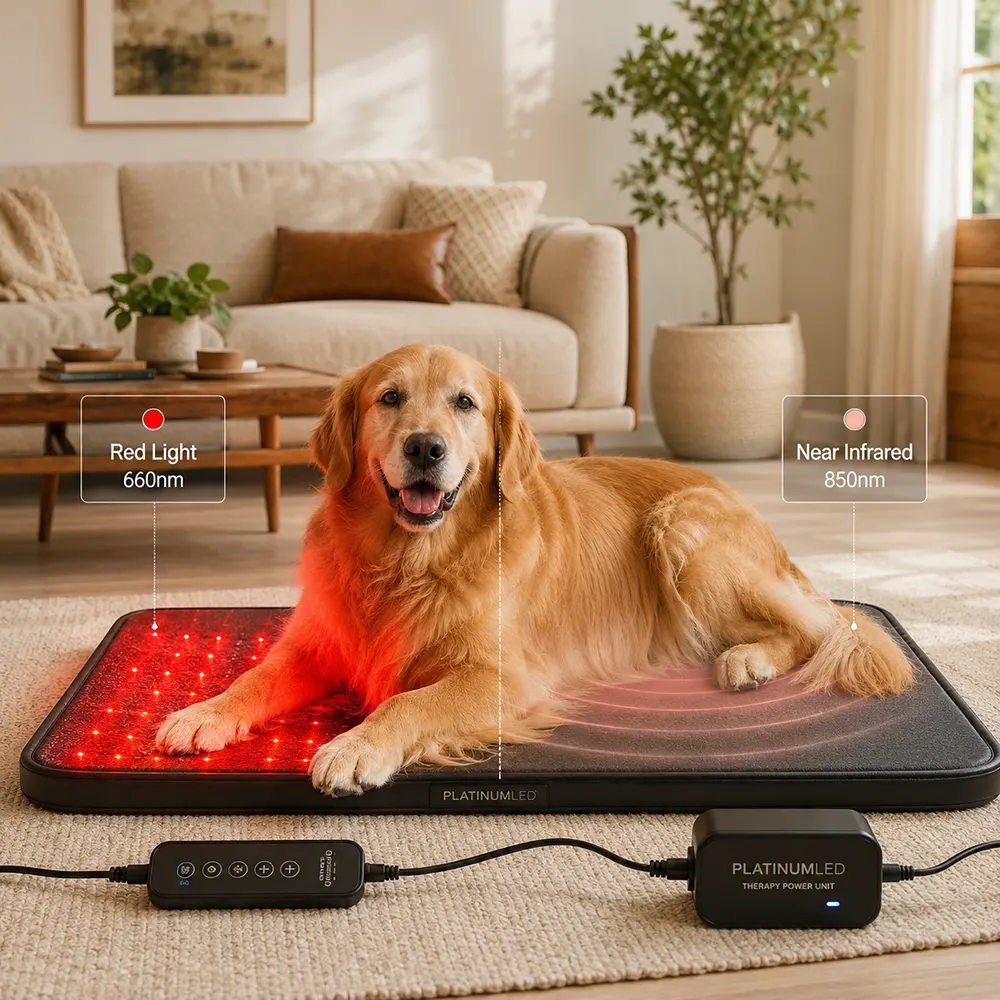
簡単に言うと, 赤色光の特定の波長 (通常630~660nm) そして近赤外線 (810-850nm) 皮膚層を貫通してミトコンドリアに到達します。 “発電所” 私たちの細胞の. 細胞に吸収されると, この光エネルギーはアデノシン三リン酸の生成を大幅に促進します (ATP). ATPが増えるということは、細胞が機能を果たすためのエネルギーが増えることを意味します: 線維芽細胞の活動が増加します, コラーゲンやエラスチンの合成が促進される, 微小循環が改善する, そして炎症が軽減される.
しかし, これは瞬間的なものではありません “魔法” トリック. ハーバードヘルスパブリッシングが明確に指摘しているように, 赤色光療法の効果は、 ゆっくりと着実に. これは、即効性のある解決策ではなく、細胞機能の段階的な最適化に近いものです。. したがって, 一貫性を通してのみ, 定期的な光刺激により、細胞はこの高効率な状態に維持できるでしょうか. 周波数が低すぎる場合 (例えば, 週に一度), 細胞はすぐにベースラインレベルに戻ります, 目に見えるシワ防止剤を蓄積できていない, 引き締める, そして美白効果も.
臨床データからのゴールドスタンダード: 週2回から毎日まで
市場では周波数についてさまざまな意見があります. いくつかの研究, デバイスの基本的な有効性を検証することを目的としています, 週に2回の頻度で使用する. 例えば, 630nmの赤色光による老化防止に関するある臨床研究では、週に2回治療を受けた被験者には、 38.3% 目じりの深さの減少と 24.8% 後の肌のハリの増加 3 月. これは、周波数が低くても, 長期的な一貫性により結果が得られる.
しかし, 家庭用機器のほとんどの臨床プロトコルは高周波に偏っています. コンセンサスは、毎日使用することです, または 5-6 週に何回か, です “ゴールドスタンダード” 在宅治療に向けて.
家庭環境に毎日の使用が推奨される理由?
-
エネルギー強度の違い: プロ, クリニック内の機器は通常、より高い出力を備えています, ホームデバイスが複数のセッションで達成できることを 1 つのセッションで達成できる可能性があります. 高い安全性を重視した家庭用マスク (火傷や光毒性を避ける) したがって、出力が低くなります. その結果, 専門的な治療に匹敵する効果を達成するために必要な総エネルギー線量を蓄積するには、より高い周波数が必要です.
-
持続的な生体刺激: 毎日のセッションにより、皮膚細胞が修復活性を高めた一定の状態に保たれます。. 多くのブランド’ 公式プロトコルには、 “30-日進月プラン” . 最初の 4 週間は毎日のことに重点を置きます, 継続的に使用することで皮膚の適応への移行を促進します, 安定, そして集中治療段階へ.
ライトスケジュールを調整する: 異なる目標, 異なる周波数
その間 “毎日” 一般原則です, 特定の肌の悩みに基づいて微調整できます. 臨床プロトコルガイドからの抜粋, この表に従って照明スケジュールをカスタマイズできます:
| 臨床目標 | 推奨波長/モード | 推奨期間 | 推奨周波数 |
|---|---|---|---|
| 全体的なアンチエイジング / 顔色を明るくする | 赤 + 近赤外線 | 10 分 | 毎日, または ≥ 5-6 週に何回か |
| 小じわを軽減する / しわ | 赤信号 | 10-15 分 | 毎日 |
| 軽度から中程度のニキビ | ブルーライト | 10 分 | 毎日 (臨床症状が改善するまで, 次に、次のように減らします 3 回/週) |
| 色素沈着過剰 / くすみ | 複合光 (例えば, ピンク) | 10-15 分 | 毎日または隔日 |
| 感度 / 酒さ様の発赤 | 近赤外線 / 複合光 | 10 分 | 毎日 |
注記: ブルーライトは主にアクネ菌をターゲットにします. 活発なブレイクアウト中, 細菌数を制御するには、高頻度の集中セッションが必要です.
すべてのセッションを最大限に活用する方法?
周波数を知ることが重要です; 正しいプロセスに従うことで、 10 数分間は有意義に過ごせた.
1. きれいな肌は重要です
日焼け止めの上から光療法を決して適用しないでください, 補う, または生クリーム. これらの製品は、光を遮断または散乱する物理的バリアを作成します。, 真皮への効果的な浸透を妨げる. 常に優しい洗顔料を使って顔をしっかりと洗い、 軽くたたいて完全に乾かします. 水滴も光を屈折させることができます, 浸透深さに影響を与える.
2. 完璧なペア: 軽食後の栄養補給
セッション後, 血液循環が促進され、皮膚温度がわずかに上昇します, 毛穴が開きやすくなり、栄養素を吸収するのに理想的な時期になります. まずはライト, スキンケア第二弾 黄金律です. マスク使用直後, ペプチドを含む美容液や保湿剤を塗布する, ヒアルロン酸, またはビタミンCは吸収を大幅に促進します.
3. やりすぎないでください: 避ける “バイオール阻害”
高周波が望まれる一方で, 多ければ多いほど良いとは限りません. 単一のセッションを推奨を超えて延長しないでください 20 分 (デバイスが特に許可していない限り), 1日に何度も使用することは避けてください。 “補う” 欠席したセッションの場合. 光生体調節は、 二相用量反応曲線: 用量が低すぎると効果がありません, 一方、用量が高すぎると次のような症状が起こる可能性があります。 “生体阻害,” 細胞が反応を停止する場所. 特定のデバイスの指示には常に厳密に従ってください.
安全と忍耐: 明るい肌への道
博士. レイチェル・レイノルズ, ハーバード・ヘルス・パブリッシングが紹介する皮膚科医, 消費者に、赤色光療法は FDA の認可を受けており安全であると考えられていることを思い出させます, それはです すぐに解決できるものではない. 一貫した使用を約束する必要があります 4 に 6 連続した月 変革を真に目撃するために.
光感作性の薬を服用している場合 (特定の抗生物質のような) または狼瘡などの光過敏症がある, 開始する前に必ず医師に相談してください. 肌の色が濃い人向け, 皮膚の反応を観察するために、低めの強度またはわずかに短いセッション時間から始めてから、徐々に強度を上げていくことをお勧めします。.
引用:
[1] 願い, A., & Matuschka, K. (2014). 患者の満足度における赤色および近赤外線治療の有効性を判定するための対照試験, 小じわの軽減, しわ, 肌あれ, 皮内のコラーゲン密度の増加. 光線医学とレーザー手術, 32(2), 93–100.
[2] クォン, H. H., 他. (2013). 家庭用使用の臨床的および組織学的効果, 韓国人患者の軽度から中等度の尋常性座瘡に対する青赤LED併用光線療法: 二重盲検, ランダム化比較試験. 英国皮膚科学会雑誌, 168(5), 1088–1094.
[3] ハンター, P., 他. (2013). 低レベルレーザー (ライト) 治療 (LLLT) 皮膚の中で: 刺激的な, ヒーリング, 復元する. 皮膚科・外科セミナー, 32(1), 41–52.
[4] リー, S. Y., 他. (2013). しわを軽減するための自己適用型家庭用低レベル光線治療装置の臨床評価. 皮膚外科, 39(11), 1657–1664.
[5] Sadick, N. S., 他. (2015). 光老化皮膚の治療における新しいハンドヘルド発光ダイオード装置の有効性を決定する研究. 外科および医療におけるレーザー, 47(6), 496–502.
[6] 金, M. H., 他. (2018). 軽度から中等度のニキビに対する家庭用ブルーライト療法の臨床効果. 臨床および美容皮膚学のジャーナル, 11(5), 23–28.
[7] Ablon, G. (2019). 830nmと633nmの発光ダイオード光線療法の組み合わせは、難治性乾癬の治療に有望である: 予備調査結果. 皮膚科学における薬物ジャーナル, 18(2), 172–176.
[8] バロレット, D., 他. (2020). パルスを使用した in vitro での皮膚コラーゲン代謝の調節 660 nm LED光源. 美容皮膚科学ジャーナル, 19(6), 1351–1359.