If you’ve been researching red light therapy, you’ve likely encountered two numbers repeatedly: 660nm and 850nm. These wavelengths represent the most scientifically validated and commonly used options in photobiomodulation for skin health. But what exactly do they do, and more importantly—which one does your skin need?
The answer might surprise you: it’s not about choosing one over the other, but understanding how they work together. Let’s dive deep into the science of 660nm red light versus 850nm near-infrared therapy for skin rejuvenation.
The Fundamentals: How Light Interacts with Skin
Before comparing wavelengths, it’s essential to understand that light therapy works through photobiomodulation—a process where specific wavelengths of light are absorbed by mitochondria in your cells, triggering a cascade of beneficial biological responses .
When light photons penetrate your skin, they’re absorbed by cytochrome c oxidase, a key enzyme in the mitochondrial respiratory chain . This absorption increases ATP (ພະລັງງານໂທລະສັບມືຖື) ການຜະລິດ, reduces oxidative stress, and modulates inflammation . ແນວໃດກໍ່ຕາມ, different wavelengths penetrate to different depths and affect different cell types .
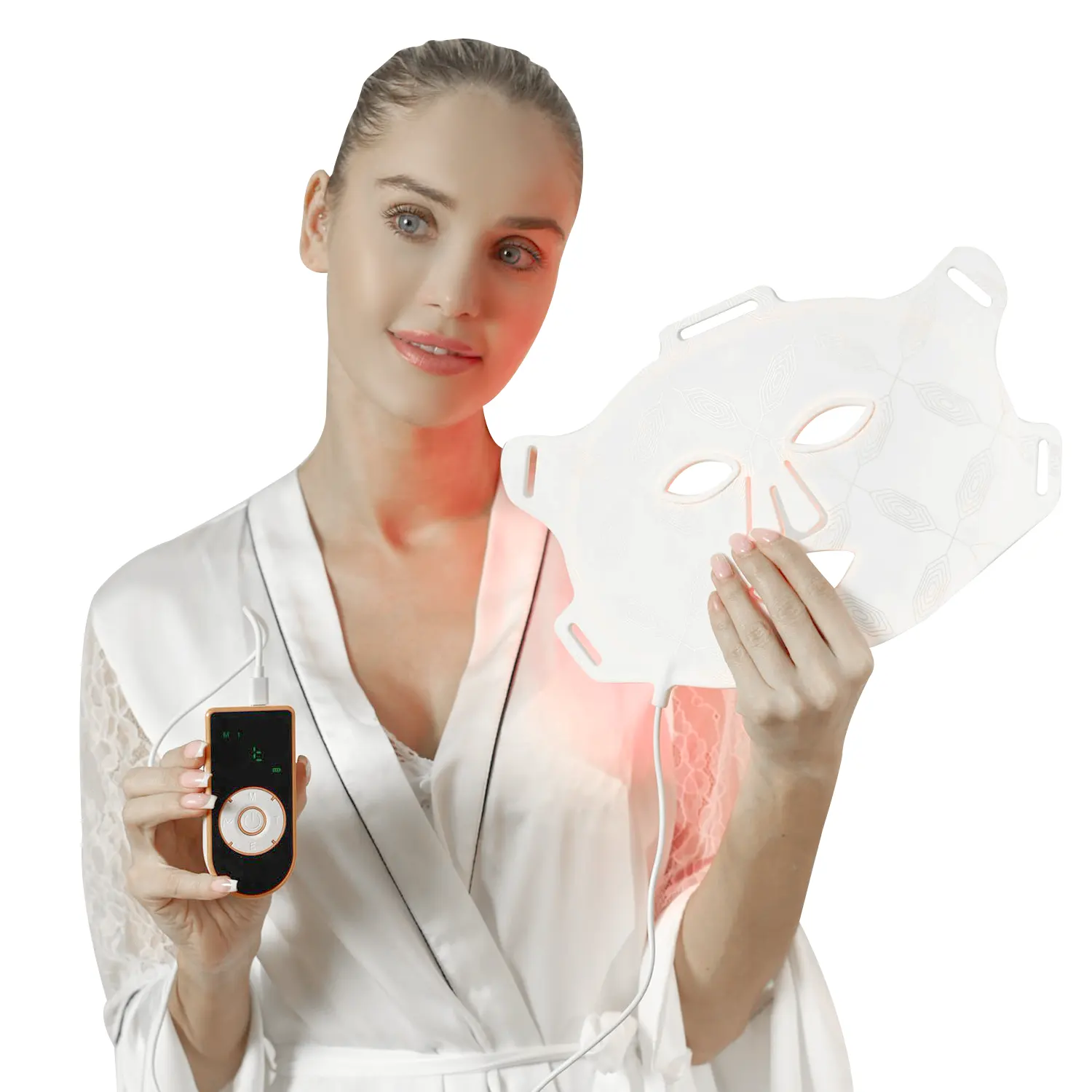
What Is 660nm Red Light?
660ນມ sits within the visible red light spectrum and is widely used in skincare-focused photobiomodulation.
Key Characteristics of 660nm
-
Visible red light
-
Penetrates approximately 2–5 mm into the skin
-
ເປົ້າຫມາຍ epidermis and upper dermis
Skin Benefits of 660nm
660nm is primarily associated with cosmetic skin improvements, ລວມທັງ:
-
stimulating collagen production
-
ການຫຼຸດຜ່ອນເສັ້ນດີແລະ wrinkles
-
improving skin tone and texture
-
enhancing skin elasticity
-
promoting surface-level repair
Because of its penetration depth, 660nm is ideal for anti-aging and skin rejuvenation treatments.
What Is 850nm Near-Infrared Light?
850ນມ belongs to the ໃກ້ອິນຟາເຣດ (NIR) spectrum, which is invisible to the human eye but highly effective in deeper tissue stimulation.
Key Characteristics of 850nm
-
Invisible near-infrared light
-
Penetrates up to 5–10 mm or deeper
-
Reaches the deep dermis and subcutaneous layers
Skin & Tissue Benefits of 850nm
850nm works beneath the surface, supporting:
-
deep tissue repair
-
reduced inflammation
-
improved blood circulation
-
faster recovery processes
-
enhanced cellular regeneration
While it does not directly improve surface appearance like 660nm, it supports the underlying structure of the skin, making it critical for long-term skin health.
660nm vs 850nm: Side-by-Side Comparison
| ຄຸນສົມບັດ | 660nm ໄຟແດງ | 850nm ໃກ້ອິນຟາເຣດ |
|---|---|---|
| Light Type | Visible red | Invisible infrared |
| ຄວາມເລິກເຈາະ | 2–5 mm | 5–10 mm+ |
| Target Area | Epidermis & upper dermis | Deep dermis & tissue |
| Primary Benefit | Anti-aging & collagen | Repair & recovery |
| Best Use | ຮອຍຫ່ຽວ, skin tone | Inflammation, deep repair |
Why the Best Devices Combine Both
The real power of red light therapy comes from combining 660nm and 850nm.
Why?
Because skin health is not just about surface appearance—it’s also about what happens underneath.
660nm handles:
-
visible skin improvements
-
collagen synthesis
-
texture refinement
850nm handles:
-
deeper tissue repair
-
inflammation reduction
-
long-term skin support
Together, they create a full-spectrum skin therapy system.
How Professional LED Masks Use These Wavelengths
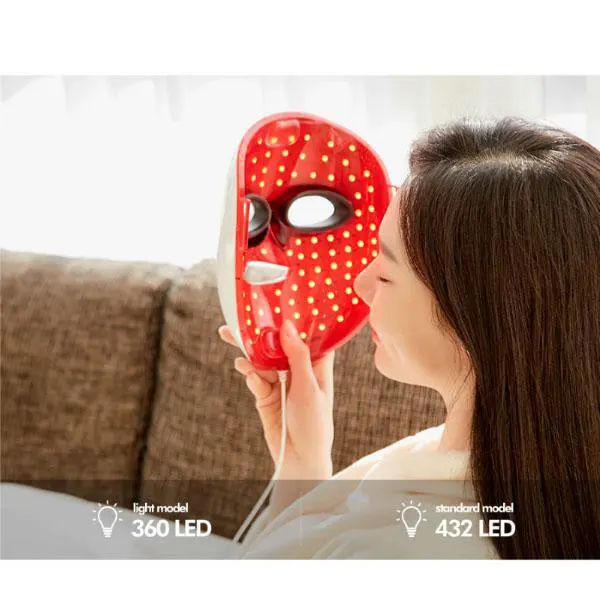
Modern LED face masks are engineered to combine multiple wavelengths into one device, allowing users to target multiple skin layers simultaneously.
Below are examples of how advanced LED masks integrate these technologies.
ຕົວຢ່າງ 1: G13 Red Light Therapy Silicone Mask
ໄດ້ G13 LED mask is designed with a multi-wavelength system, including both visible and near-infrared light.
Key Specifications
-
LED Quantity: 104 ໄຟ LED
-
ຄວາມຍາວຄື້ນ: 530 / 590 / 660 / 830ນມ
-
ວັດສະດຸ: Flexible silicone
-
Modes: 4 modes + brightness adjustment
Why It Matters
-
660nm red light supports collagen and anti-aging
-
830nm near-infrared provides deeper penetration similar to 850nm
-
Flexible silicone ensures close skin contact for better absorption
This makes G13 a strong option for balanced skincare applications.
ຕົວຢ່າງ 2: G10 LED Light Therapy Mask
ໄດ້ G10 LED mask is designed for full-spectrum skin therapy, combining multiple clinically relevant wavelengths.
Key Specifications
-
LED Count: 128 dual-chip LEDs
-
ຄວາມຍາວຄື້ນ: 590 / 630 / 830 / 850ນມ
-
ວັດສະດຸ: Food-grade silicone
-
ແບັດເຕີຣີ: 3000mAh rechargeable
-
Structure: Flexible FPC circuit board
Why It Matters
-
Combines ໄຟແດງ (630ນມ) ກັບ ໃກ້ອິນຟາເຣດ (850ນມ)
-
Supports both surface rejuvenation and deep repair
-
High LED density ensures uniform light distribution
For brands and distributors, this type of device offers a complete anti-aging solution in one mask.
Which Wavelength Is Better for Skin?
This is where many buyers get it wrong.
It’s not about choosing between 660nm and 850nm.
It’s about understanding your goal.
Choose 660nm if your focus is:
-
wrinkles and fine lines
-
skin tone and brightness
-
surface-level anti-aging
Choose 850nm if your focus is:
-
ອັກເສບ
-
deeper skin repair
-
long-term skin health
Choose BOTH if you want:
-
comprehensive skin therapy
-
faster visible results
-
long-term structural improvement
The Role of Power Density
Wavelength alone is not enough.
To achieve real results, the device must deliver sufficient ການ irradiance (mW/cm²).
Typical effective ranges:
-
30–50 mW/cm² → skincare applications
-
50+ mW/cm² → deeper tissue stimulation
Professional LED masks are engineered to maintain stable output across the entire face, ensuring consistent treatment.
Why Fit and Material Also Matter
Even with the correct wavelengths, poor mask design can reduce effectiveness.
Key factors include:
1. Facial Fit
-
Flexible silicone masks improve light absorption
-
Reduce energy loss from gaps
2. Material Safety
-
Food-grade or medical-grade silicone
-
Low heat emission
-
Skin-safe contact materials
3. LED Distribution
-
Even placement ensures uniform treatment
-
Prevents uneven results
Devices like G10 and G13 incorporate flexible structures and optimized LED layouts, which significantly improve real-world performance.
Common Mistakes When Choosing a Red Light Therapy Mask
Many buyers focus on marketing claims instead of technical specifications.
Avoid these common mistakes:
❌ Choosing based on number of colors only
❌ Ignoring wavelength accuracy
❌ Overlooking power density
❌ Buying rigid masks with poor fit
❌ Ignoring safety and compliance
The Future of LED Skin Therapy
The LED skincare industry is evolving rapidly toward:
-
multi-wavelength systems
-
flexible wearable designs
-
higher LED density
-
improved battery systems
-
clinical-grade home devices
The combination of 660ນມ + 850ນມ is becoming the industry standard for advanced red light therapy masks.
Final Thoughts
When comparing 660nm vs 850nm red light therapy for skin, the key takeaway is simple:
They are not competitors—they are complementary technologies.
-
660nm improves what you see
-
850nm supports what you don’t see
Together, they create a complete system for:
-
anti-aging
-
skin repair
-
long-term skin health
For skincare brands, distributors, and consumers alike, choosing a device that combines both wavelengths—such as advanced LED masks like G13 or G10—ensures more effective and consistent results.
Citations:
[1] Wunsch, A., & Matuschka, K. (2014). A Controlled Trial to Determine the Efficacy of Red and Near-Infrared Light Treatment in Patient Satisfaction, Reduction of Fine Lines, ຮອຍຫ່ຽວ, Skin Roughness, and Intradermal Collagen Density Increase. Photomedicine and Laser Surgery, 32(2), 93–100.
[2] Kwon, H. H., et al. (2013). The clinical and histological effect of home-use, combination blue-red LED phototherapy for mild-to-moderate acne vulgaris in Korean patients: a double-blind, randomized controlled trial. British Journal of Dermatology, 168(5), 1088–1094.
[3] Avci, P., et al. (2013). Low-level laser (light) therapy (LLLT) in skin: stimulating, healing, restoring. Seminars in Cutaneous Medicine and Surgery, 32(1), 41–52.
[4] Lee, S. Y., et al. (2013). Clinical evaluation of a self-applied home-use low-level light therapy device for wrinkle reduction. Dermatologic Surgery, 39(11), 1657–1664.
[5] Sadick, N. S., et al. (2015). A Study to Determine the Efficacy of a Novel Handheld Light-Emitting Diode Device in the Treatment of Photoaged Skin. Lasers in Surgery and Medicine, 47(6), 496–502.
[6] Gold, M. H., et al. (2018). Clinical efficacy of home-use blue-light therapy for mild-to moderate acne. Journal of Clinical and Aesthetic Dermatology, 11(5), 23–28.
[7] Ablon, G. (2019). Combination 830-nm and 633-nm light-emitting diode phototherapy shows promise in the treatment of recalcitrant psoriasis: preliminary findings. Journal of Drugs in Dermatology, 18(2), 172–176.
[8] Barolet, D., et al. (2020). Regulation of skin collagen metabolism in vitro using a pulsed 660 nm LED light source. Journal of Cosmetic Dermatology, 19(6), 1351–1359.