Chronic pain is a silent epidemic, affecting millions globally and often leading to a reliance on pharmaceuticals with significant side effects. In the search for sustainable, drug-free management strategies, red light therapy for pain relief has emerged as a leading contender. Backed by decades of research in photobiomodulation (PBM), this technology offers a promising avenue for alleviating discomfort ranging from acute sports injuries to degenerative joint diseases. This article explores the efficacy of red light therapy through five critical questions, providing insights for patients, physical therapists, ແລະ commercial red light therapy facility owners.
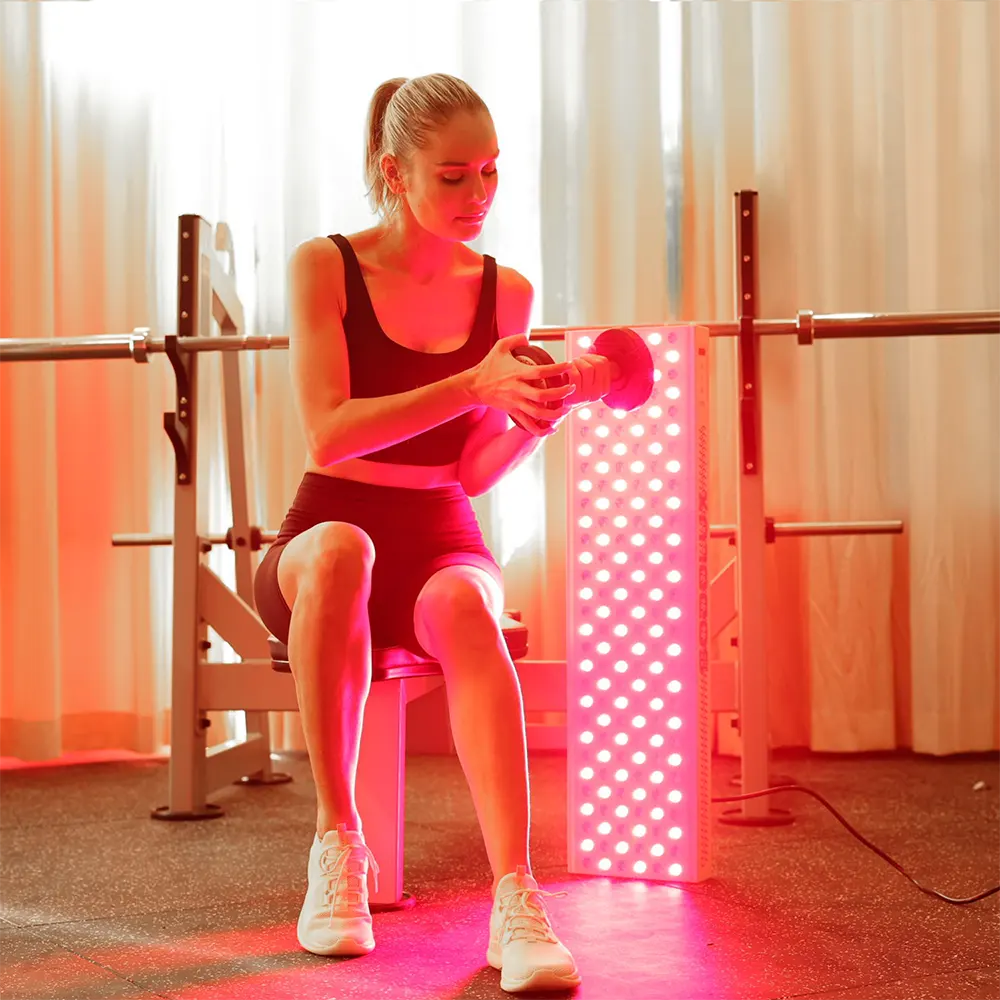
Q1: What Are the Sources of Pain?
To understand how red light therapy helps, we must first identify the common sources of pain it targets. Pain is rarely a single entity; it is a complex signal generated by various physiological disruptions.
Inflammatory Pain
This is the most common target for PBM. Conditions like arthritis (osteoarthritis and rheumatoid), tendonitis, and bursitis involve chronic inflammation. The body’s immune response causes swelling, heat, and pressure on nerve endings, resulting in persistent ache and stiffness.
This is the most common target for PBM. Conditions like arthritis (osteoarthritis and rheumatoid), tendonitis, and bursitis involve chronic inflammation. The body’s immune response causes swelling, heat, and pressure on nerve endings, resulting in persistent ache and stiffness.
Neuropathic Pain
Originating from nerve damage or compression, neuropathic pain (e.g., sciatica, carpal tunnel syndrome, diabetic neuropathy) often manifests as burning, tingling, or shooting sensations. This type of pain is notoriously difficult to treat with standard anti-inflammatories.
Originating from nerve damage or compression, neuropathic pain (e.g., sciatica, carpal tunnel syndrome, diabetic neuropathy) often manifests as burning, tingling, or shooting sensations. This type of pain is notoriously difficult to treat with standard anti-inflammatories.
Musculoskeletal and Traumatic Pain
Acute injuries such as muscle strains, ligament sprains, ບາດແຜ, and post-surgical recovery involve tissue disruption. The pain here serves as a protective mechanism but can hinder rehabilitation if excessive. Additionally, myofascial pain syndrome, characterized by trigger points in tight muscle bands, falls into this category.
Acute injuries such as muscle strains, ligament sprains, ບາດແຜ, and post-surgical recovery involve tissue disruption. The pain here serves as a protective mechanism but can hinder rehabilitation if excessive. Additionally, myofascial pain syndrome, characterized by trigger points in tight muscle bands, falls into this category.
Degenerative Pain
As tissues age, cartilage wears down, and circulation diminishes, leading to chronic discomfort in the back, ຫົວເຂົ່າ, and hips. This is a growing concern for an aging population seeking alternatives to joint replacement surgery.
As tissues age, cartilage wears down, and circulation diminishes, leading to chronic discomfort in the back, ຫົວເຂົ່າ, and hips. This is a growing concern for an aging population seeking alternatives to joint replacement surgery.
For B2B red light therapy providers, understanding these diverse pain sources is crucial for tailoring treatment protocols. A one-size-fits-all approach rarely works; the device placement and duration must align with the specific pathology causing the pain.
Q2: What Is the Mechanism of Action?
How can light possibly stop pain? The answer lies in cellular biology. Unlike analgesics that block pain signals in the brain or mask symptoms, red light therapy devices address the root cause at the mitochondrial level.
Mitochondrial Activation and ATP Production
The primary chromophore in our cells, cytochrome c oxidase, absorbs photons from red (660ນມ) ແລະໃກ້ອິນຟາເຣດ (850ນມ) light. This absorption stimulates the mitochondria to produce more Adenosine Triphosphate (ATP), the cell’s energy currency. With more energy, cells can repair damage faster, reduce oxidative stress, and function optimally.
The primary chromophore in our cells, cytochrome c oxidase, absorbs photons from red (660ນມ) ແລະໃກ້ອິນຟາເຣດ (850ນມ) light. This absorption stimulates the mitochondria to produce more Adenosine Triphosphate (ATP), the cell’s energy currency. With more energy, cells can repair damage faster, reduce oxidative stress, and function optimally.
Reduction of Inflammation
PBM modulates the inflammatory response by decreasing the production of pro-inflammatory cytokines (like TNF-α and IL-1β) and increasing anti-inflammatory markers. This reduction in chemical inflammation directly lowers the pressure on nerve endings, providing relief.
PBM modulates the inflammatory response by decreasing the production of pro-inflammatory cytokines (like TNF-α and IL-1β) and increasing anti-inflammatory markers. This reduction in chemical inflammation directly lowers the pressure on nerve endings, providing relief.
Improved Circulation and Angiogenesis
Near-infrared light penetrates deep into tissues, stimulating the release of nitric oxide, a vasodilator. This widens blood vessels, improving blood flow to the injured area. Enhanced circulation brings oxygen and nutrients needed for repair while flushing out metabolic waste products (like lactic acid) that contribute to soreness. Over time, PBM can even stimulate the formation of new capillaries (angiogenesis), ensuring long-term tissue health.
Near-infrared light penetrates deep into tissues, stimulating the release of nitric oxide, a vasodilator. This widens blood vessels, improving blood flow to the injured area. Enhanced circulation brings oxygen and nutrients needed for repair while flushing out metabolic waste products (like lactic acid) that contribute to soreness. Over time, PBM can even stimulate the formation of new capillaries (angiogenesis), ensuring long-term tissue health.
Nerve Regeneration and Modulation
For neuropathic pain, studies suggest that PBM can accelerate nerve regeneration and reduce nerve sensitivity. It helps restore the myelin sheath and calms hyperactive nociceptors (pain receptors), effectively turning down the volume on pain signals.
For neuropathic pain, studies suggest that PBM can accelerate nerve regeneration and reduce nerve sensitivity. It helps restore the myelin sheath and calms hyperactive nociceptors (pain receptors), effectively turning down the volume on pain signals.
These mechanisms make professional red light therapy systems a powerful tool for holistic pain management, addressing both the symptom and the underlying cellular dysfunction.
Q3: What Is the User Experience Like?
For patients accustomed to painful injections, harsh medications, or aggressive physical manipulation, the experience of red light therapy is remarkably gentle.
The Sensation
During a session, the user typically feels nothing more than a mild, soothing warmth, especially if the device includes near-infrared LEDs which generate slight thermal energy. There is no burning, stinging, or discomfort. Many users find the 10–20 minute sessions relaxing, often using the time to meditate or rest.
During a session, the user typically feels nothing more than a mild, soothing warmth, especially if the device includes near-infrared LEDs which generate slight thermal energy. There is no burning, stinging, or discomfort. Many users find the 10–20 minute sessions relaxing, often using the time to meditate or rest.
The Setting
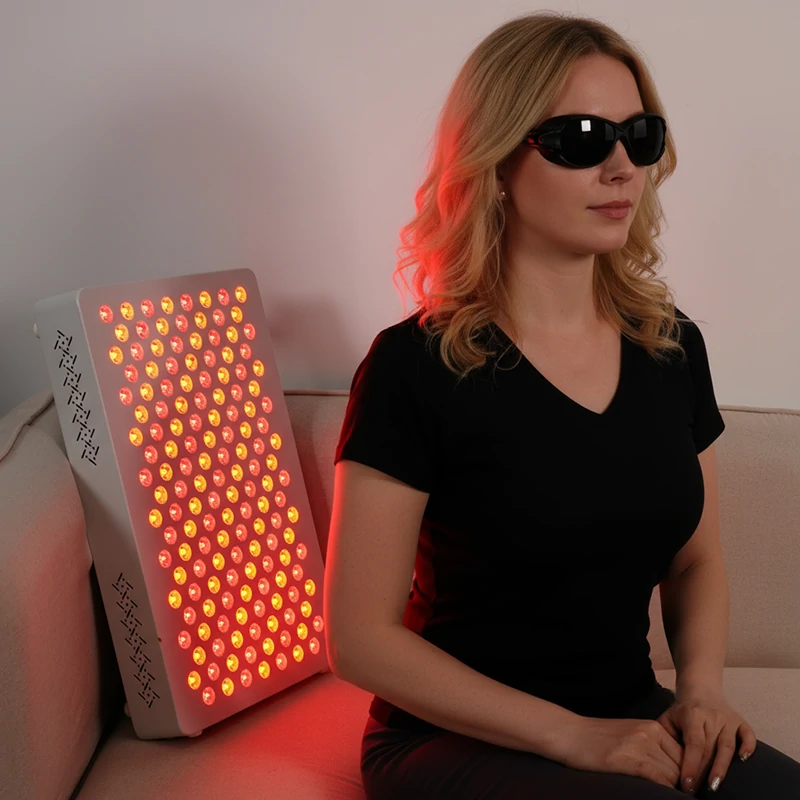
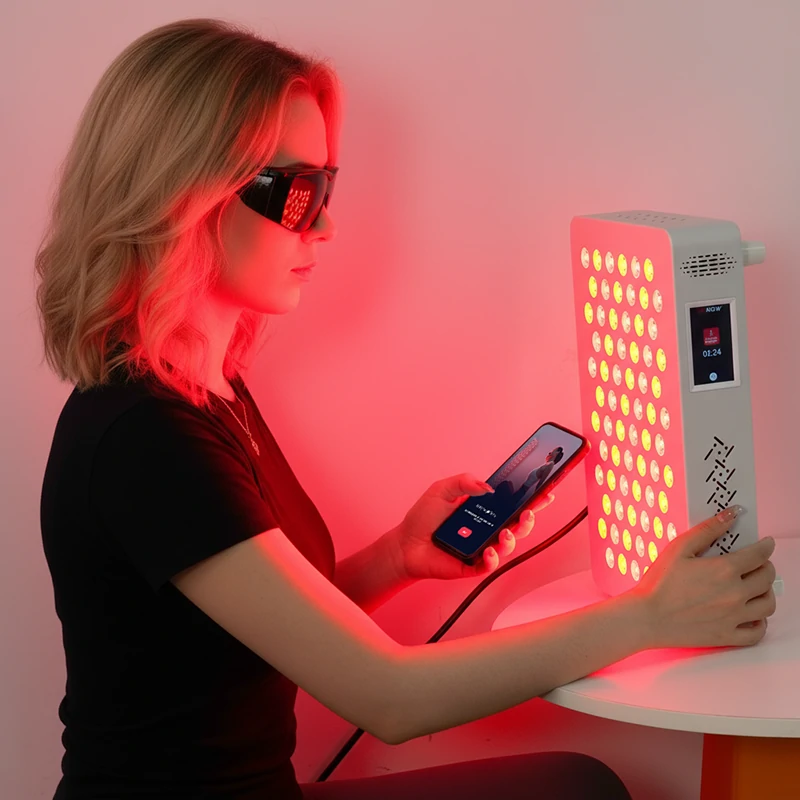
In a clinical setting, such as a chiropractic office or a wellness center equipped with industrial red light therapy panels, the environment is calm. Patients might stand or sit in front of a large panel, or lie down while a targeted device is positioned over the painful area. For home users, the convenience of having a wholesale red light therapy panel in the living room allows for consistent treatment without travel stress.
In a clinical setting, such as a chiropractic office or a wellness center equipped with industrial red light therapy panels, the environment is calm. Patients might stand or sit in front of a large panel, or lie down while a targeted device is positioned over the painful area. For home users, the convenience of having a wholesale red light therapy panel in the living room allows for consistent treatment without travel stress.
Immediate vs. Cumulative Feel
Some users report an immediate sense of relief—a “loosening” of tight muscles or a reduction in throbbing—right after the first session. ແນວໃດກໍ່ຕາມ, for deep-seated chronic conditions, the experience is often cumulative. Users describe a gradual return of mobility and a steady decrease in baseline pain levels over weeks of consistent use. The non-invasive nature means there is zero downtime; patients can return to work or exercise immediately after treatment.
Some users report an immediate sense of relief—a “loosening” of tight muscles or a reduction in throbbing—right after the first session. ແນວໃດກໍ່ຕາມ, for deep-seated chronic conditions, the experience is often cumulative. Users describe a gradual return of mobility and a steady decrease in baseline pain levels over weeks of consistent use. The non-invasive nature means there is zero downtime; patients can return to work or exercise immediately after treatment.
Q4: How Long Does It Take to See Results?
The timeline for pain relief varies significantly based on the severity of the condition, the power of the device, and the consistency of treatment.
Acute Pain (Strains, Spins, Post-Workout Soreness)
Results can be rapid. Many individuals experience noticeable reduction in pain and swelling within 24 ກັບ 48 ຊົ່ວໂມງ, often after just 1–3 sessions. The accelerated healing process helps athletes return to training faster. High-power OEM red light therapy units used in sports clinics can sometimes provide relief within a single session.
Results can be rapid. Many individuals experience noticeable reduction in pain and swelling within 24 ກັບ 48 ຊົ່ວໂມງ, often after just 1–3 sessions. The accelerated healing process helps athletes return to training faster. High-power OEM red light therapy units used in sports clinics can sometimes provide relief within a single session.
Chronic Pain (ໂລກຂໍ້ອັກເສບ, Tendinopathy, Back Pain)
Chronic conditions require patience. While some relief may be felt in the first week, significant, lasting changes typically occur after 2–4 weeks of daily or near-daily use. The biological processes of tissue remodeling and inflammation reduction take time. A typical protocol might involve 10–20 minutes per day for 4–6 weeks, followed by a maintenance phase of 2–3 times a week.
Chronic conditions require patience. While some relief may be felt in the first week, significant, lasting changes typically occur after 2–4 weeks of daily or near-daily use. The biological processes of tissue remodeling and inflammation reduction take time. A typical protocol might involve 10–20 minutes per day for 4–6 weeks, followed by a maintenance phase of 2–3 times a week.
Neuropathic Pain
Nerve healing is the slowest process. Users may need 6–8 weeks of consistent therapy to notice substantial improvements in numbness, tingling, or burning sensations. Consistency is paramount here; skipping sessions can stall the delicate regeneration process.
Nerve healing is the slowest process. Users may need 6–8 weeks of consistent therapy to notice substantial improvements in numbness, tingling, or burning sensations. Consistency is paramount here; skipping sessions can stall the delicate regeneration process.
It is important to manage expectations: red light therapy is not a magic wand that erases years of damage overnight. ແນວໃດກໍ່ຕາມ, for those who stick to the protocol, the long-term trajectory is overwhelmingly positive, often reducing the need for pain medication.
Q5: Who Is the Ideal Candidate?
Red light therapy is versatile, but certain groups stand to benefit the most.
Athletes and Active Individuals
From weekend warriors to professional athletes, anyone prone to muscle soreness, joint strain, or injury recovery is an ideal candidate. Gyms and recovery centers are increasingly installing custom red light therapy zones to offer this value-added service to members.
From weekend warriors to professional athletes, anyone prone to muscle soreness, joint strain, or injury recovery is an ideal candidate. Gyms and recovery centers are increasingly installing custom red light therapy zones to offer this value-added service to members.
Seniors with Degenerative Joint Issues
Older adults suffering from osteoarthritis, stiffness, and reduced mobility often find relief where drugs fail or cause adverse reactions. The safety profile of PBM makes it perfect for this demographic, who may have sensitive systems unable to tolerate heavy NSAID use.
Older adults suffering from osteoarthritis, stiffness, and reduced mobility often find relief where drugs fail or cause adverse reactions. The safety profile of PBM makes it perfect for this demographic, who may have sensitive systems unable to tolerate heavy NSAID use.
Office Workers and Ergonomic Victims
Individuals suffering from tech neck, lower back pain, carpal tunnel, or repetitive strain injuries (RSI) due to sedentary lifestyles can benefit greatly. Targeted therapy can alleviate the tension and inflammation caused by poor posture.
Individuals suffering from tech neck, lower back pain, carpal tunnel, or repetitive strain injuries (RSI) due to sedentary lifestyles can benefit greatly. Targeted therapy can alleviate the tension and inflammation caused by poor posture.
Post-Surgical Patients
Under medical supervision, PBM can accelerate wound healing and reduce post-operative pain and scarring. It is increasingly used in physical therapy clinics to complement rehabilitation exercises.
Under medical supervision, PBM can accelerate wound healing and reduce post-operative pain and scarring. It is increasingly used in physical therapy clinics to complement rehabilitation exercises.
Those Seeking Drug-Free Solutions
Anyone looking to reduce dependency on opioids, NSAIDs, or steroids due to side effects or personal preference is a prime candidate. Red light therapy offers a natural, non-pharmacological alternative.
Anyone looking to reduce dependency on opioids, NSAIDs, or steroids due to side effects or personal preference is a prime candidate. Red light therapy offers a natural, non-pharmacological alternative.
Contraindications
While safe for most, individuals with active cancer (in the treatment area), pregnant women (avoiding abdominal treatment), or those on photosensitizing medications should consult a doctor before starting.
While safe for most, individuals with active cancer (in the treatment area), pregnant women (avoiding abdominal treatment), or those on photosensitizing medications should consult a doctor before starting.
ສະຫຼຸບ
Red light therapy represents a paradigm shift in pain management. By harnessing the power of specific light wavelengths to stimulate the body’s innate healing capabilities, it offers a safe, ມີປະສິດທິພາບ, and non-invasive solution for a wide spectrum of pain sources. From the immediate relief of acute injuries to the long-term management of chronic degenerative conditions, the evidence supports its efficacy.
For healthcare providers and business owners, integrating private label red light therapy solutions or high-end clinical panels can significantly enhance patient outcomes and satisfaction. As awareness grows, red light therapy is poised to become a standard of care in pain clinics, sports facilities, and homes worldwide. The path to a pain-free life may well be illuminated by red light.