Если вы изучали терапию красным светом, вы, вероятно, неоднократно встречали два числа: 660нм и 850 нм. Эти длины волн представляют собой наиболее научно обоснованные и широко используемые варианты фотобиомодуляции для здоровья кожи.. Но что именно они делают, и что еще более важно — какой из них нужен вашей коже?
Ответ может вас удивить: дело не в выборе одного над другим, но понимая, как они работают вместе. Давайте углубимся в науку о том, как использовать красный свет с длиной волны 660 нм в сравнении с терапией ближнего инфракрасного диапазона с длиной волны 850 нм для омоложения кожи..
The Fundamentals: Как свет взаимодействует с кожей
Прежде чем сравнивать длины волн, важно понимать, что светотерапия работает посредством фотобиомодуляции — процесса, при котором световые волны определенной длины поглощаются митохондриями в ваших клетках., запуск каскада полезных биологических реакций .
Когда световые фотоны проникают в вашу кожу, они поглощаются цитохром с оксидазой, Ключевой фермент дыхательной цепи митохондрий. . Это поглощение увеличивает АТФ. (клеточная энергия) производство, снижает окислительный стресс, и модулирует воспаление . Однако, волны разной длины проникают на разную глубину и влияют на разные типы клеток .
What Is 660nm Red Light?
660нм находится в видимом спектре красного света и широко используется в фотобиомодуляции, ориентированной на уход за кожей..
Ключевые характеристики 660 нм
-
Видимый красный свет
-
Проникает примерно 2–5 мм в кожу
-
Нацелен на эпидермис и верхняя дерма
Преимущества для кожи при длине волны 660 нм
660нм в первую очередь связан с косметическое улучшение кожи, включая:
-
стимулирование выработки коллагена
-
уменьшение тонких линий и морщин
-
улучшение цвета и текстуры кожи
-
повышение эластичности кожи
-
содействие ремонту на уровне поверхности
Из-за глубины проникновения, 660нм идеально подходит для процедуры против старения и омоложения кожи.
Что такое ближний инфракрасный свет 850 нм?
850нм принадлежит к ближний инфракрасный (НИР) спектр, который невидим для человеческого глаза, но очень эффективен при более глубокой стимуляции тканей..
Ключевые характеристики 850 нм
-
Невидимый ближний инфракрасный свет
-
Проникает до 5–10 мм или глубже
-
Достигает глубокая дерма и подкожные слои
Кожа & Преимущества ткани при длине волны 850 нм
850нм работает под поверхностью, поддержка:
-
восстановление глубоких тканей
-
уменьшение воспаления
-
улучшение кровообращения
-
более быстрые процессы восстановления
-
усиленная регенерация клеток
Хотя он не улучшает внешний вид поверхности напрямую, как 660 нм., это поддерживает основную структуру кожи, что делает его критически важным для долгосрочного здоровья кожи.
660нм против 850 нм: Параллельное сравнение
| Особенность | 660Нм Красный свет | 850нм Ближний инфракрасный диапазон |
|---|---|---|
| Тип света | Видимый красный | Невидимый инфракрасный |
| Глубина проникновения | 2–5 мм | 5–10 мм+ |
| Целевая область | Эпидермис & верхняя дерма | Глубокая дерма & салфетка |
| Основная выгода | Антивозрастной & коллаген | Ремонт & восстановление |
| Лучшее использование | Морщины, тон кожи | Воспаление, глубокий ремонт |
Почему лучшие устройства сочетают в себе и то, и другое
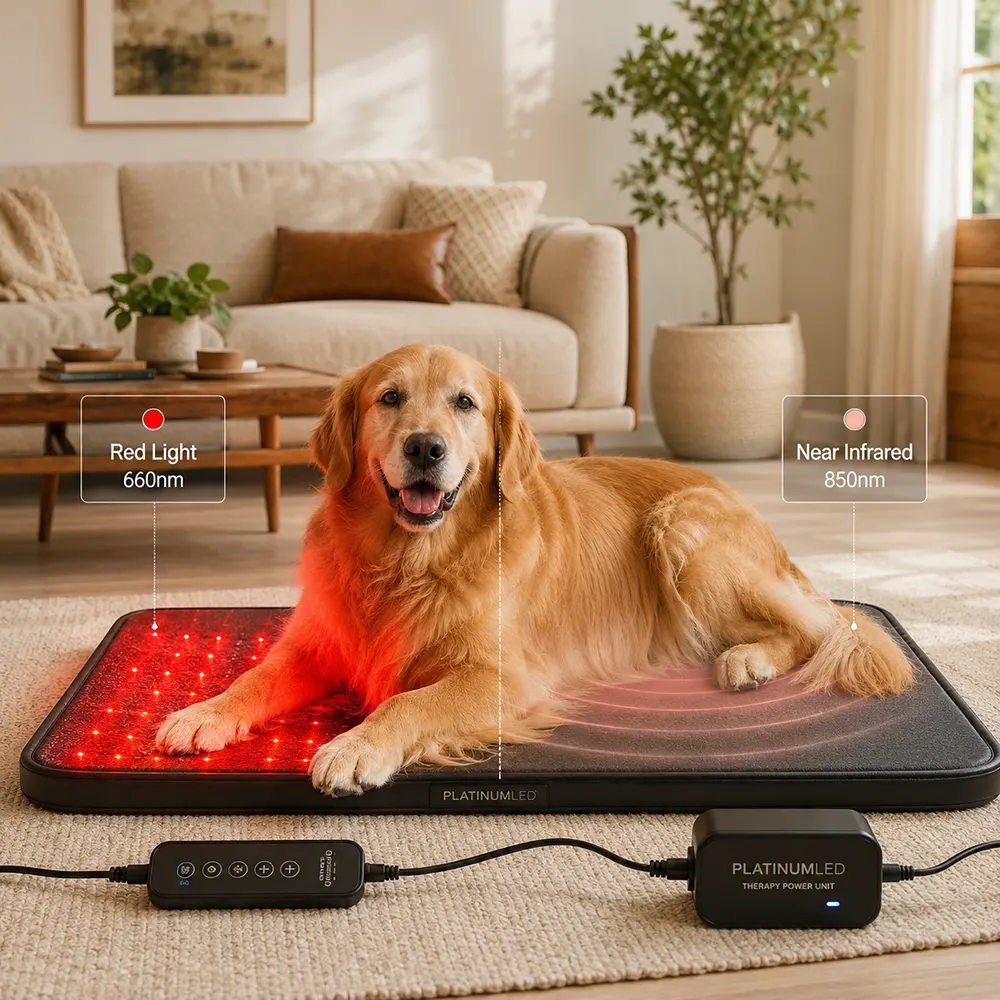
Настоящая сила терапии красным светом заключается в сочетание 660 нм и 850 нм.
Почему?
Потому что здоровье кожи – это не только внешний вид кожи, но и ее внешний вид. что происходит внизу.
660нм обрабатывает:
-
видимые улучшения кожи
-
синтез коллагена
-
доработка текстур
850нм обрабатывает:
-
более глубокое восстановление тканей
-
уменьшение воспаления
-
длительная поддержка кожи
Вместе, они создают система терапии кожи полного спектра.
Как профессиональные светодиодные маски используют эти длины волн
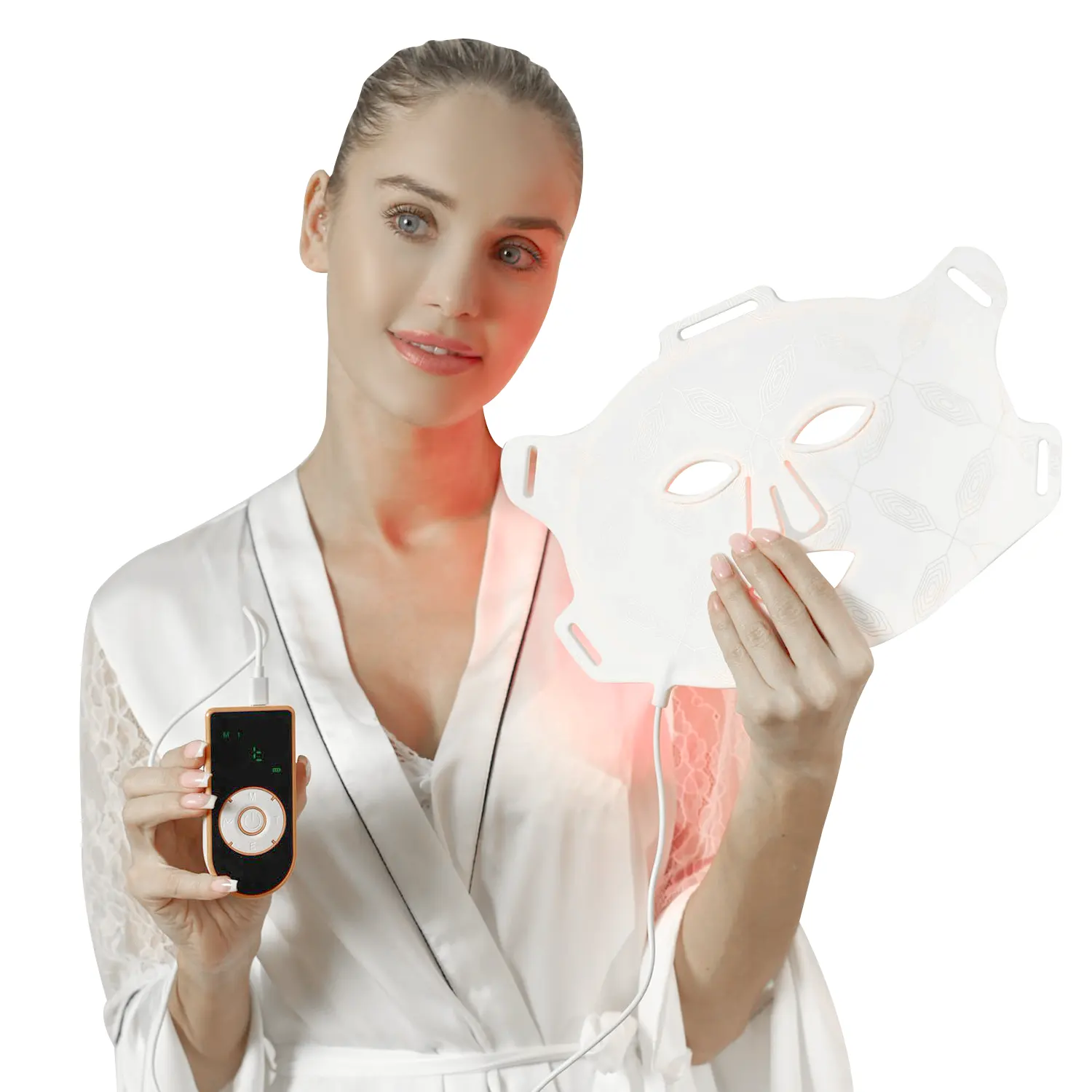
Современные светодиодные маски для лица созданы для объединения нескольких длин волн в одном устройстве., позволяя пользователям ориентироваться несколько слоев кожи одновременно.
Ниже приведены примеры того, как современные светодиодные маски объединяют эти технологии..
Пример 1: G13 Силиконовая маска для терапии красным светом
The Светодиодная маска G13 разработан с многоволновая система, включая видимый и ближний инфракрасный свет.
Ключевые характеристики
-
Количество светодиодов: 104 светодиоды
-
Длины волн: 530 / 590 / 660 / 830нм
-
Материал: Гибкий силикон
-
Режимы: 4 режимы + регулировка яркости
Почему это важно
-
660нм красный свет поддерживает коллаген и замедляет старение
-
830нм ближнего инфракрасного диапазона обеспечивает более глубокое проникновение, подобное 850 нм
-
Гибкий силикон обеспечивает тесный контакт с кожей для лучшего впитывания
Это делает G13 отличным вариантом для сбалансированные средства по уходу за кожей.
Пример 2: Светодиодная светотерапевтическая маска G10
The Светодиодная маска G10 предназначен для полный спектр терапии кожи, объединение нескольких клинически значимых длин волн.
Ключевые характеристики
-
Количество светодиодов: 128 двухчиповые светодиоды
-
Длины волн: 590 / 630 / 830 / 850нм
-
Материал: Пищевой силикон
-
Батарея: 3000мАч перезаряжаемый
-
Структура: Гибкая печатная плата FPC
Почему это важно
-
Комбинирует красный свет (630нм) с ближний инфракрасный (850нм)
-
Поддерживает оба поверхностное омоложение и глубокий ремонт
-
Высокая плотность светодиодов обеспечивает равномерное распределение света
Для брендов и дистрибьюторов, этот тип устройства предлагает Комплексное решение против старения в одной маске.
Какая длина волны лучше для кожи?
Здесь многие покупатели ошибаются..
Речь не идет о выборе между 660 нм и 850 нм..
Речь идет о понимании вашей цели.
Выберите 660 нм, если вас интересует:
-
морщины и тонкие линии
-
тон и яркость кожи
-
поверхностный антивозрастной эффект
Выберите 850 нм, если вас интересует:
-
воспаление
-
более глубокое восстановление кожи
-
долгосрочное здоровье кожи
Выберите ОБА, если хотите:
-
комплексная терапия кожи
-
более быстрые видимые результаты
-
долгосрочное структурное улучшение
Роль плотности мощности
Одной длины волны недостаточно.
Для достижения реальных результатов, устройство должно обеспечивать достаточную облучение (мВт/см²).
Типичные эффективные диапазоны:
-
30–50 мВт/см² → средства по уходу за кожей
-
50+ мВт/см² → более глубокая стимуляция тканей
Профессиональные светодиодные маски разработаны для обеспечения стабильного освещения всего лица., обеспечение последовательного лечения.
Почему посадка и материал также имеют значение
Даже с правильными длинами волн, плохой дизайн маски может снизить эффективность.
Ключевые факторы включают в себя:
1. Подгонка лица
-
Гибкие силиконовые маски улучшают поглощение света
-
Уменьшите потери энергии из-за зазоров
2. Безопасность материала
-
Пищевой или медицинский силикон.
-
Низкое тепловыделение
-
Безопасные для кожи контактные материалы
3. Распределение светодиодов
-
Равномерное размещение обеспечивает единообразное обращение
-
Предотвращает неравномерность результатов
Такие устройства, как G10 и G13, включают в себя гибкие конструкции и оптимизированное расположение светодиодов, которые значительно улучшают реальную производительность.
Распространенные ошибки при выборе маски для терапии красным светом
Многие покупатели сосредотачивают внимание на маркетинговых заявлениях, а не на технических характеристиках..
Избегайте этих распространенных ошибок:
❌ Выбор только по количеству цветов.
❌ Игнорирование точности длины волны
❌ С учетом удельной мощности
❌ Покупка жестких масок с плохим прилеганием.
❌ Игнорирование безопасности и соблюдения требований
Будущее светодиодной терапии кожи
Индустрия светодиодного ухода за кожей быстро развивается в сторону:
-
многоволновые системы
-
гибкие носимые конструкции
-
более высокая плотность светодиодов
-
улучшенные аккумуляторные системы
-
домашние устройства клинического уровня
Сочетание 660нм + 850нм становится отраслевым стандартом для передовые маски для терапии красным светом.
Заключительные мысли
При сравнении 660Нм против терапии красным светом 850 нм для кожи, главный вывод прост:
Они не конкуренты — это взаимодополняющие технологии..
-
660нм улучшает то, что вы видите
-
850nm поддерживает то, чего вы не видите
Вместе, они создают полноценную систему для:
-
против старения
-
восстановление кожи
-
долгосрочное здоровье кожи
Для брендов по уходу за кожей, дистрибьюторы, и потребители одинаково, выбор устройства, сочетающего в себе обе длины волн, например усовершенствованных светодиодных масок, таких как G13 или G10, гарантирует более эффективные и стабильные результаты.
Цитаты:
[1] Желание, А., & Матушка, К. (2014). Контролируемое исследование по определению эффективности лечения красным и ближним инфракрасным светом для повышения удовлетворенности пациентов, Уменьшение тонких линий, Морщины, Шероховатость кожи, и увеличение внутрикожной плотности коллагена. Фотомедицина и лазерная хирургия, 32(2), 93–100.
[2] Квон, ЧАС. ЧАС., и др.. (2013). Клинический и гистологический эффект при домашнем применении., Комбинированная сине-красная светодиодная фототерапия при обыкновенных угрях легкой и средней степени тяжести у корейских пациентов: двойной слепой, рандомизированное контролируемое исследование. Британский журнал дерматологии, 168(5), 1088–1094.
[3] Охотник, П., и др.. (2013). Лазер низкого уровня (свет) терапия (ООО «ЛЛТ») в коже: стимулирующий, выздоровление, восстановление. Семинары по кожной медицине и хирургии, 32(1), 41–52.
[4] Ли, С. Ю., и др.. (2013). Клиническая оценка самодельного устройства для фототерапии низкой интенсивности для домашнего использования для уменьшения морщин. Дерматологическая хирургия, 39(11), 1657–1664.
[5] Садик, Н. С., и др.. (2015). Исследование по определению эффективности нового портативного светодиодного устройства в лечении фотостареющей кожи. Лазеры в хирургии и медицине, 47(6), 496–502.
[6] Золото, М. ЧАС., и др.. (2018). Клиническая эффективность терапии синим светом в домашних условиях при акне легкой и средней степени тяжести. Журнал клинической и эстетической дерматологии, 11(5), 23–28.
[7] Аблон, Г. (2019). Комбинированная фототерапия светодиодами с длиной волны 830 и 633 нм перспективна в лечении резистентного псориаза.: предварительные выводы. Журнал лекарств в дерматологии, 18(2), 172–176.
[8] Barolet, Д., и др.. (2020). Регуляция метаболизма коллагена кожи in vitro с помощью импульсного воздействия. 660 нм светодиодный источник света. Журнал косметической дерматологии, 19(6), 1351–1359.